
At the time of the massive Septemberfires that blanketed parts of metro Atlanta in toxic plumes, BioLab was storing more than twice the amount of reactive chemicals in its warehouse than it had previously disclosed to Rockdale County officials years before, according to a new report from the U.S. Chemical Safety and Hazard Investigation Board.
In 2019, when BioLab requested permits to build a new warehouse at its Conyers facility, the company told Rockdale officials it anticipated an “average inventory” of about 6.2 million pounds of raw materials would be stored there, the federal agency also called CSB said.
But at the time of the fires, nearly 14 million pounds of chemicals were stored in the building, according to the CSB report. The permit, however, did not have a numeric limit on the quantity of raw materials stored in the building, according to the report, which cited comments from BioLab.
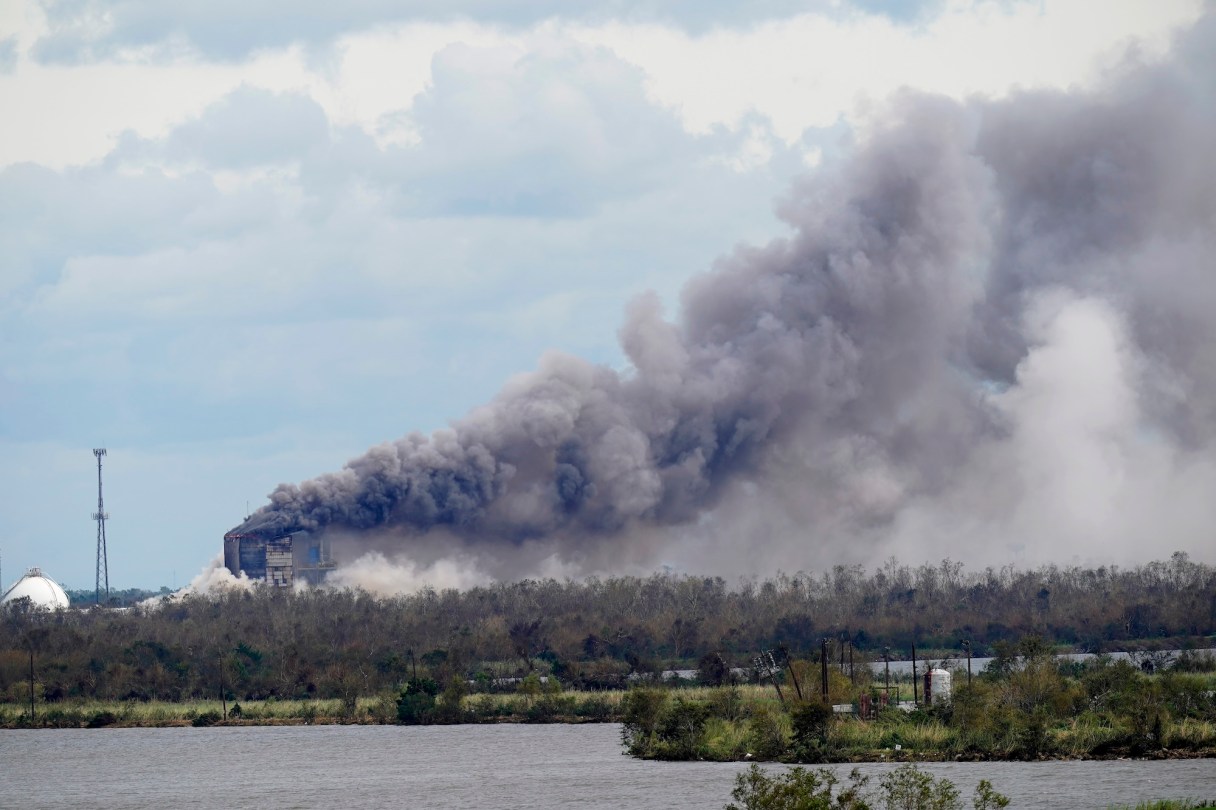
Last September, raw materials at the pool chemical maker in Conyers ignited, sending massive amounts of smoke billowing into the air, causing parts of I-20 to shut down, the evacuation of 17,000 residents and shelter-in-place orders for about 90,000 people. The orders would go on for weeks.
“The more we learn about this unacceptable incident, the more disturbing it is,” CSB chairperson Steve Owens said in a news release. “This is a stark reminder of the very serious dangers that can occur when enormous amounts of reactive and corrosive chemicals are stored without proper safeguards in place.”