
This story was originally published by the Nashville Banner. Sign up for their newsletter at nashvillebanner.com/newsletters.
Mayor’s office and Metro Nashville Police Department officials sought Wednesday to further distance city law enforcement from the spate of immigration arrests made by federal and state authorities in Nashville this week.
Metro Legal Director Wally Dietz provided an update to city council members describing how the police department learned of the arrests, which began late Saturday.
According to Dietz’s memo, an officer from the U.S. Department of Homeland Security phoned the Nashville Department of Emergency Communications late Thursday, two days before the arrests began, to request extra Nashville police patrols at the local Immigration and Customs Enforcement facility because of a “concern of backlash by families.” According to Dietz, the dispatcher scheduled a notice for the on-duty dispatcher on Sunday morning to alert them of the request.
As far as anyone acknowledged Wednesday, that dispatcher was the only Metro employee with any advance knowledge. In the recording of the call, the dispatcher does not appear to comprehend the relevance of the federal request, referring to the office as the “culture and immigration office” at one point. The federal agent, Jackson Sanders, who identified himself as a former Metro officer, did specifically reference ICE and anticipated possible “anger from the families.”
On Sunday, around 10 a.m., that dispatcher’s scheduled alert was forwarded to the police department, according to Dietz. Two officers then drove to the ICE facility “to inquire what the call was about” before leaving. Once protesters had arrived at the facility, police returned and “monitored the crowd of people from across the way until they were relieved by the THP.”
Feds notified Nashville dispatch ahead of immigration arrests, but message stopped there
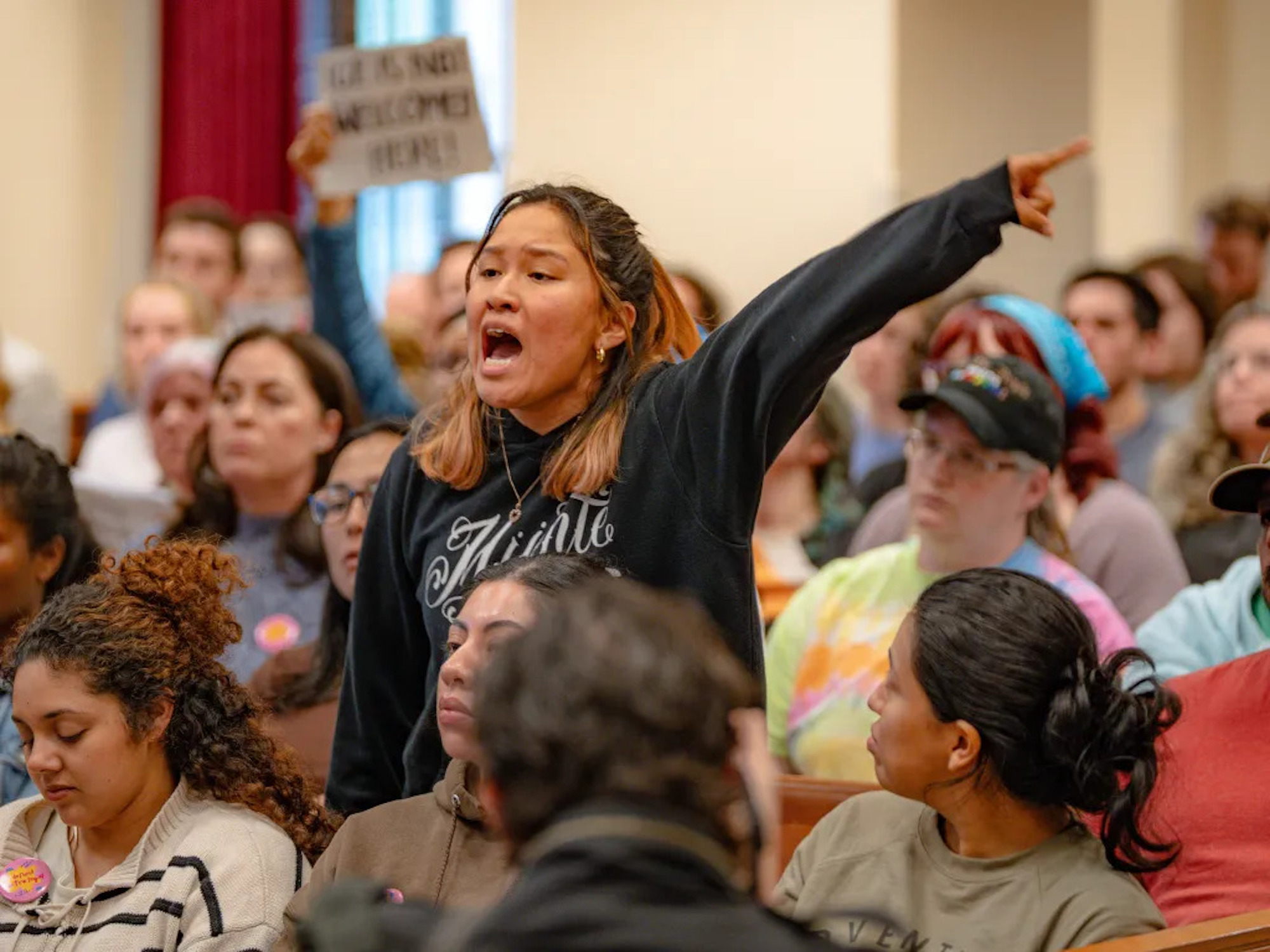
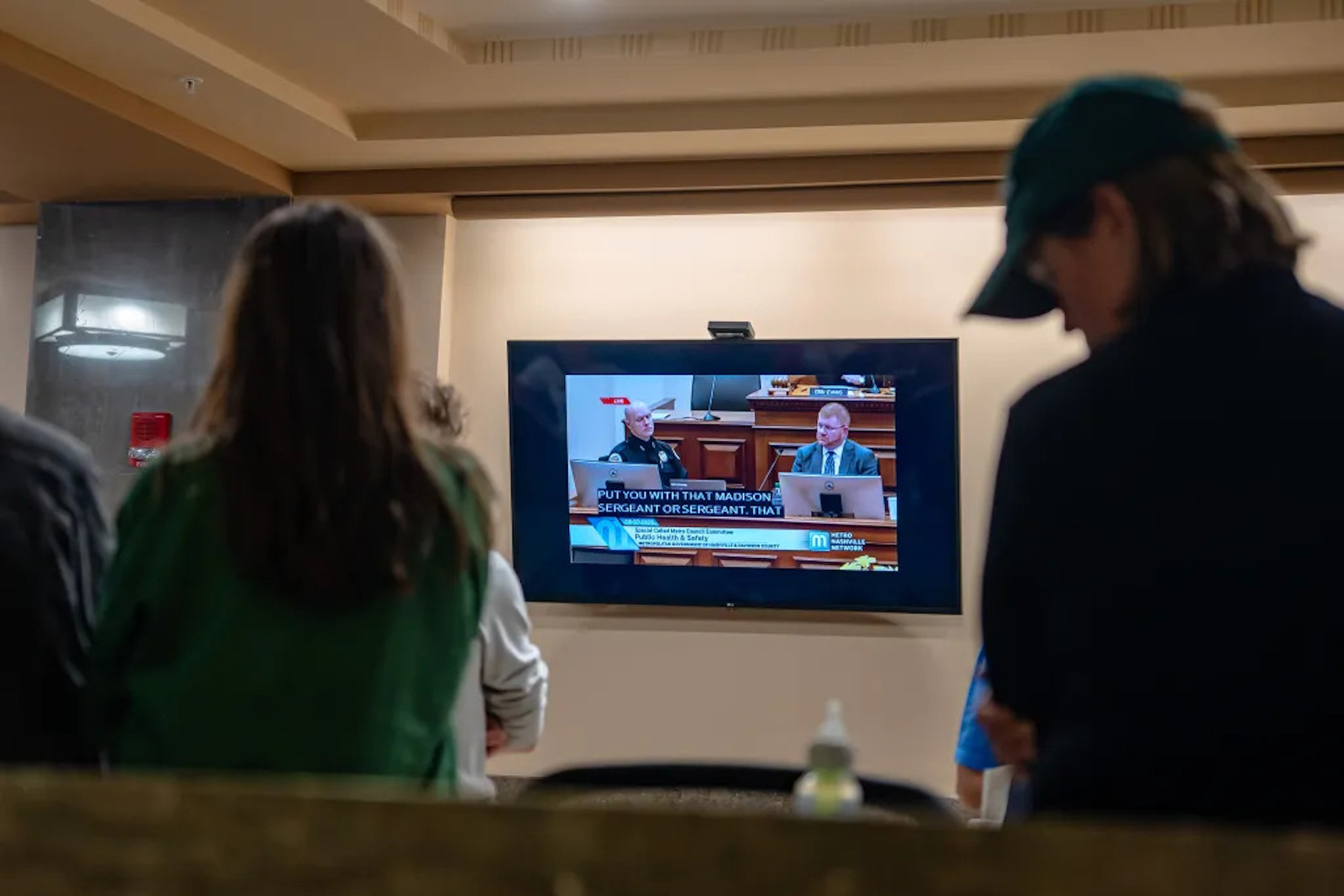
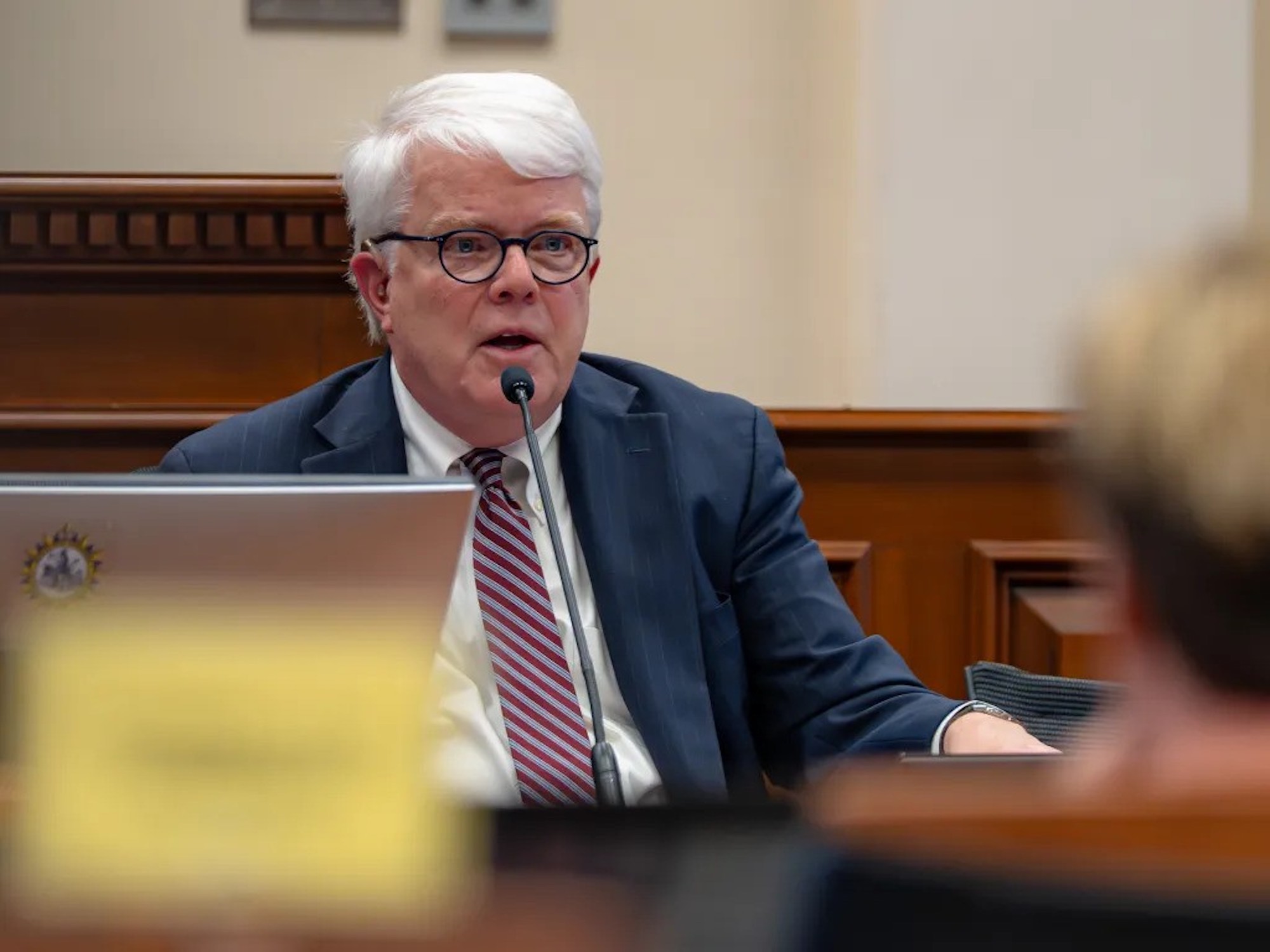
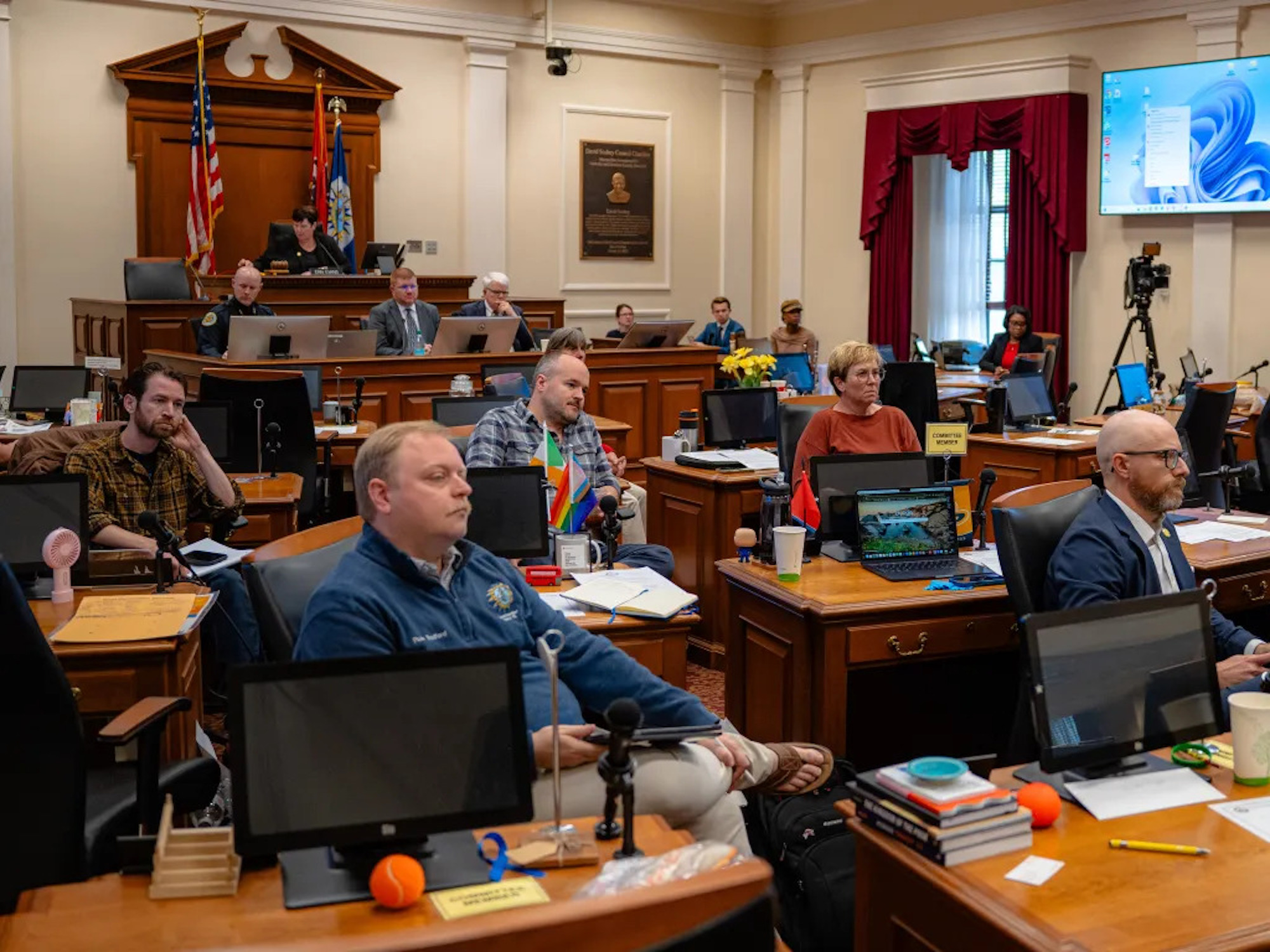
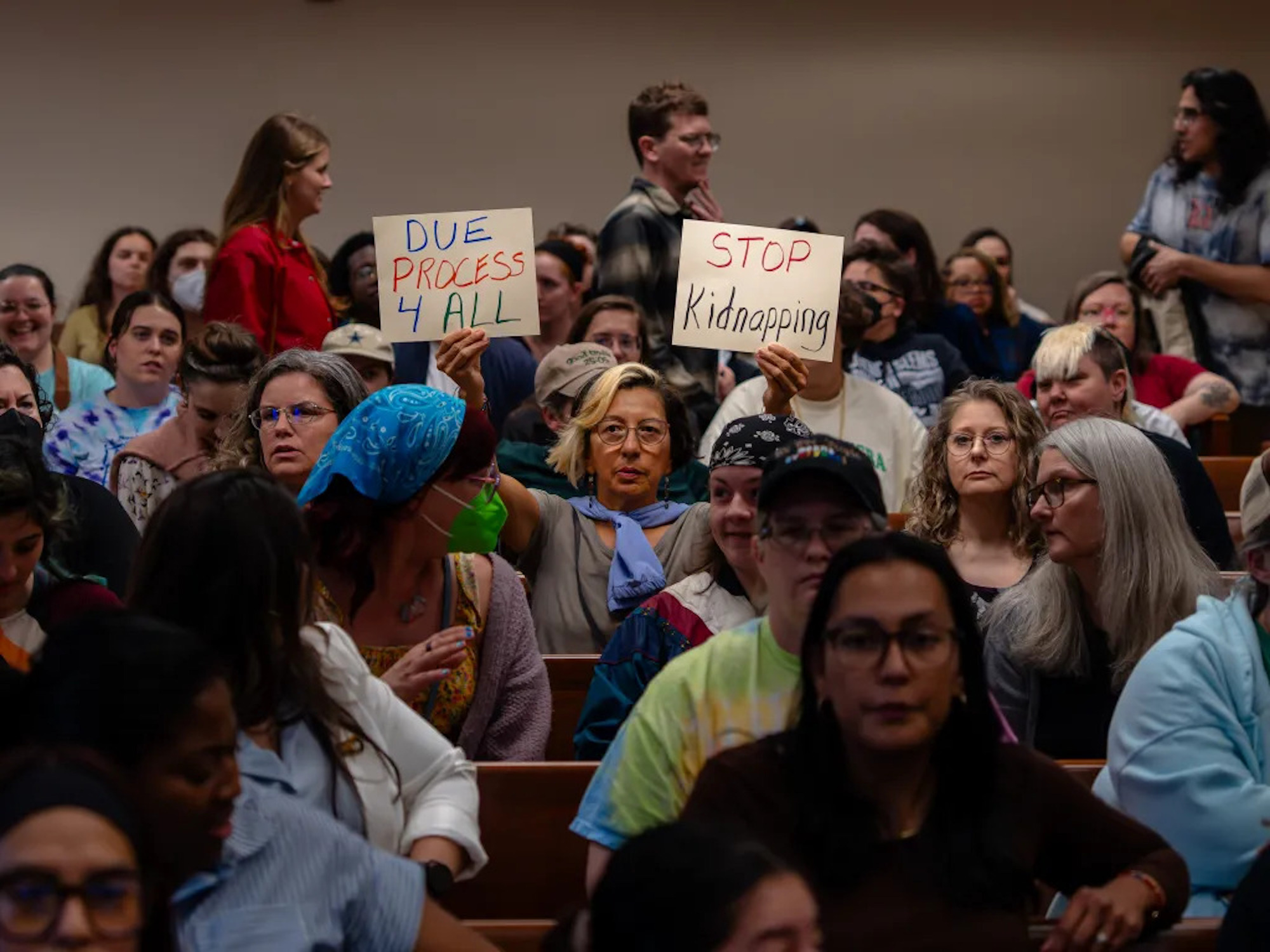
That description tracks with statements from Mayor Freddie O’Connell, who has maintained since Sunday that Nashville police’s only role was after-the-fact crowd control. However, it did not do much to quell indignation from members of the public and the Metro Council who attended a special-called meeting of the Metro Council Public Health and Safety Committee on Wednesday.
“I am shocked,” council member Zulfat Suara said about the call that apparently was not forwarded up the ranks, and the administration’s position that it did not know until Sunday. “I am mad. I am betrayed.”
Tristan Call, a volunteer with grassroots group The ReMIX Tennessee, said he interviewed people over the weekend who said the police department, not Tennessee Highway Patrol, had originally pulled them over, though he acknowledged his group was still working to verify the reports. Council member Sandra Sepulveda showed videos of Metro Nashville police vehicles adjacent to federal operations. In one case, MNPD Deputy Chief Chris Gilder said the department’s helicopter was performing a routine observational flyover. In another instance, Dietz said he had debunked a video that, he said, actually showed an unrelated arrest in a stolen vehicle case.
Questioned by council members citing a mayoral executive order requiring Metro Nashville departments to report communications from federal immigration authorities to the mayor’s office, Emergency Communications Director Steve Martini acknowledged a mistake.
“This is uncharted territory for us,” Martini said. “I have not trained for or responded to a mass roundup of citizens. We don’t prepare for this.”
That is changing, though, he said. The department has flagged the ICE facility’s address in its automated reporting system and is working on adding specific keywords like “immigration” so that relevant calls get passed along.
It’s unclear what the mayor’s office and police department would have done with two days’ warning.
“We will sue if the federal government tries to co-opt” the police department for immigration work, Dietz promised, before acknowledging potential criminal liability for standing in the way. “They would be violating the law and risking criminal prosecution if they interfered with an ICE enforcement.”
Federal law enforcement is pursuing criminal charges against a judge in Minnesota for allegedly impeding a federal immigration arrest.
Despite requests from Metro and media outlets, federal and state authorities have released little information about the stops and arrests. Tennessee Highway Patrol said its work was focused on traffic enforcement, but listed just a few examples of cause for the more than 350 stops they made in conjunction with federal law enforcement. That list included two driving under the influence arrests and one “motorist assist.” And though federal and state authorities have said they are targeting dangerous criminals, the U.S. Department of Homeland Security has listed just a few examples among the nearly 100 reported arrests, including what they described as an “affiliate gang member” and a detainee with reported domestic assault and sex crime charges.
In addition to the failure to forward the information from Emergency Communications, council members also focused their questions on Police Chief John Drake’s absence (Deputy Chief Chris Gilder, who typically handles council questions, was instead present), how the department could have been unaware that other law enforcement agencies were stopping hundreds of cars in one part of town, and how Metro can better prepare for and respond to similar situations.
Council members asked police, Emergency Communications and mayor’s office representatives for several actions, including development of a community safety plan, delivery of further data and information from this week and work to ensure students and schools have resources and plans in place. Council member Emily Benedict said she would push to reallocate $10 million from the police budget for legal aid. Even council member Bob Nash, a former police department commander, called the Highway Patrol and ICE actions “deplorable.”
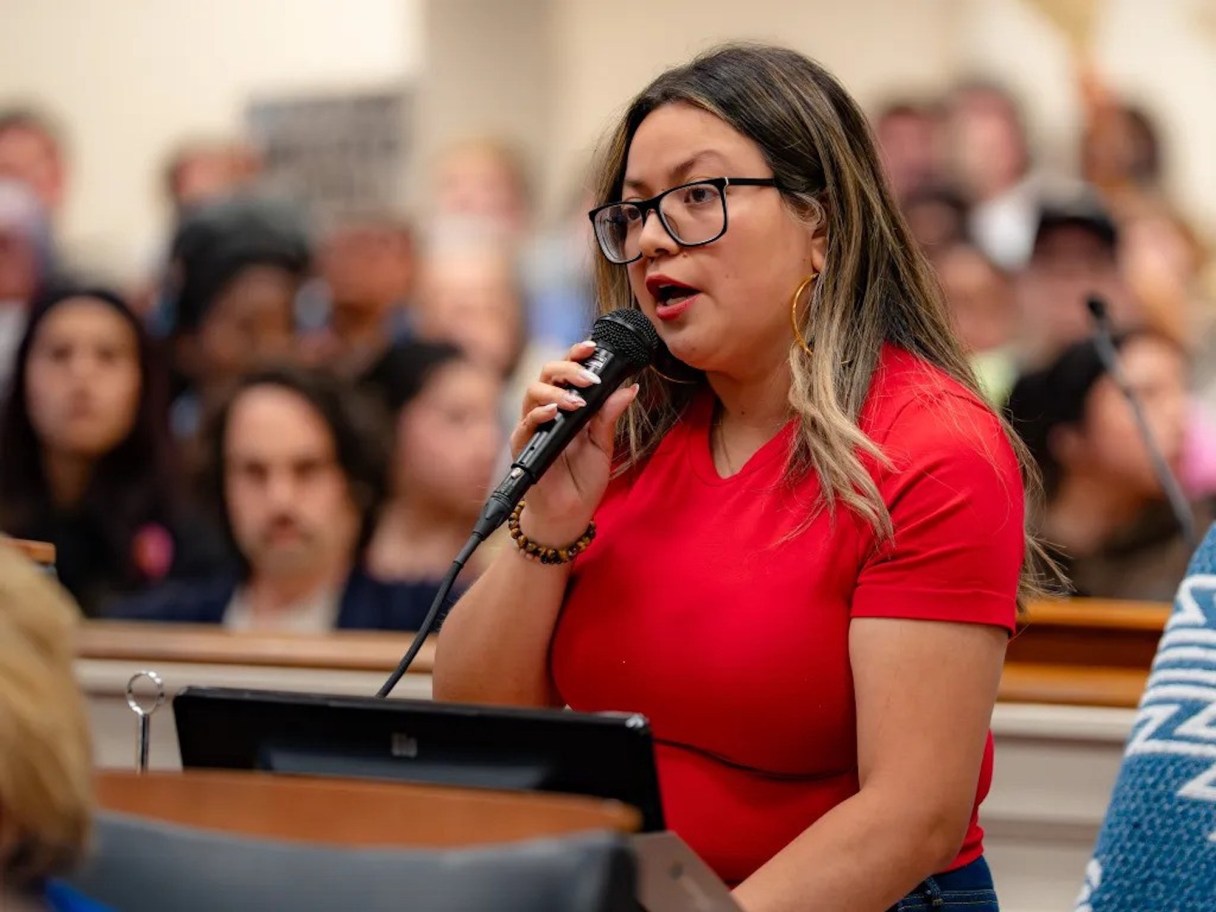
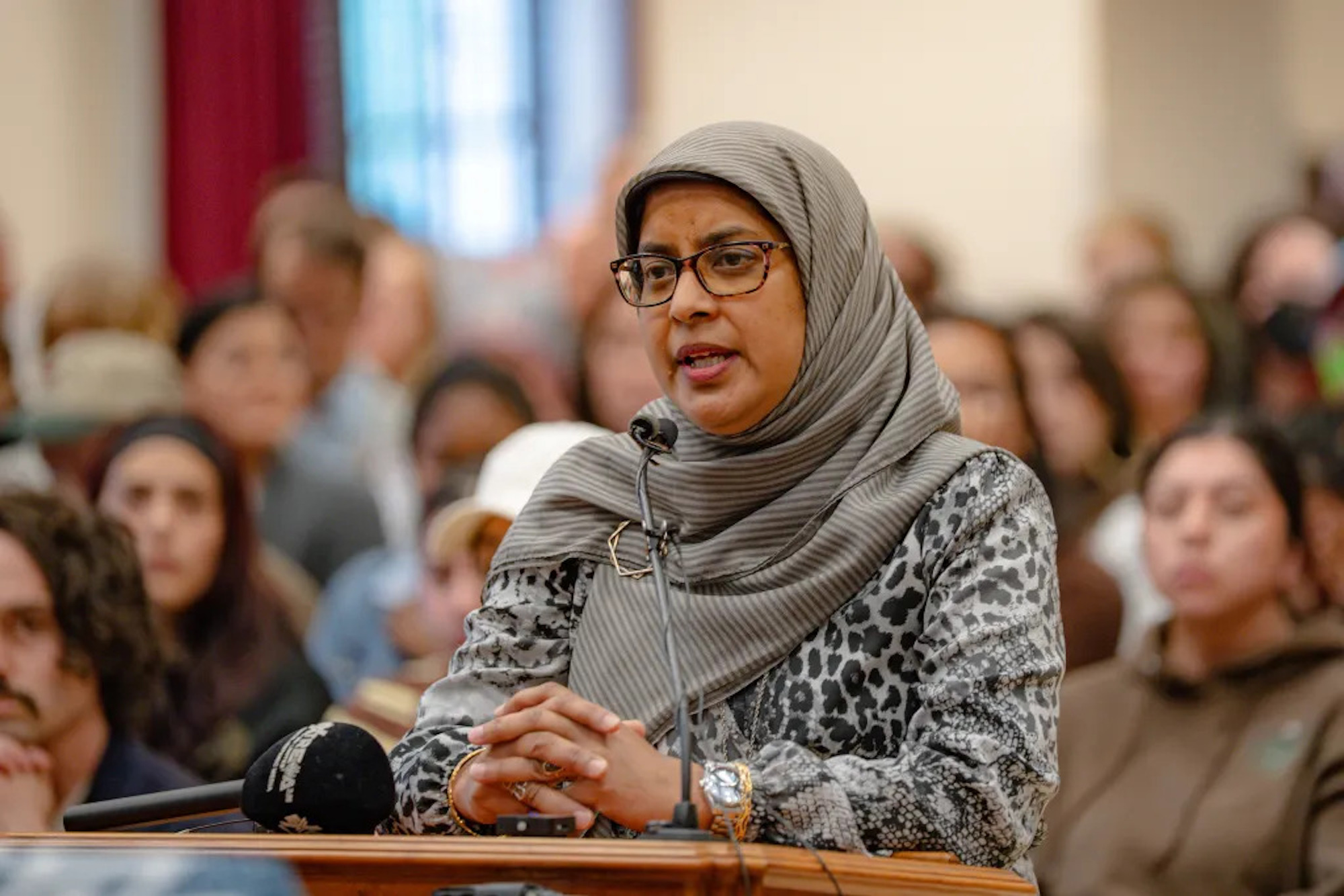
“Home is where you feel at ease, feel safe,” Sabina Mohyuddin, executive director of the American Muslim Advisory Council, told the committee. “We don’t feel safe. We need to see you value our safety.”
This article first appeared on Nashville Banner and is republished here under a Creative Commons Attribution-NoDerivatives 4.0 International License.