
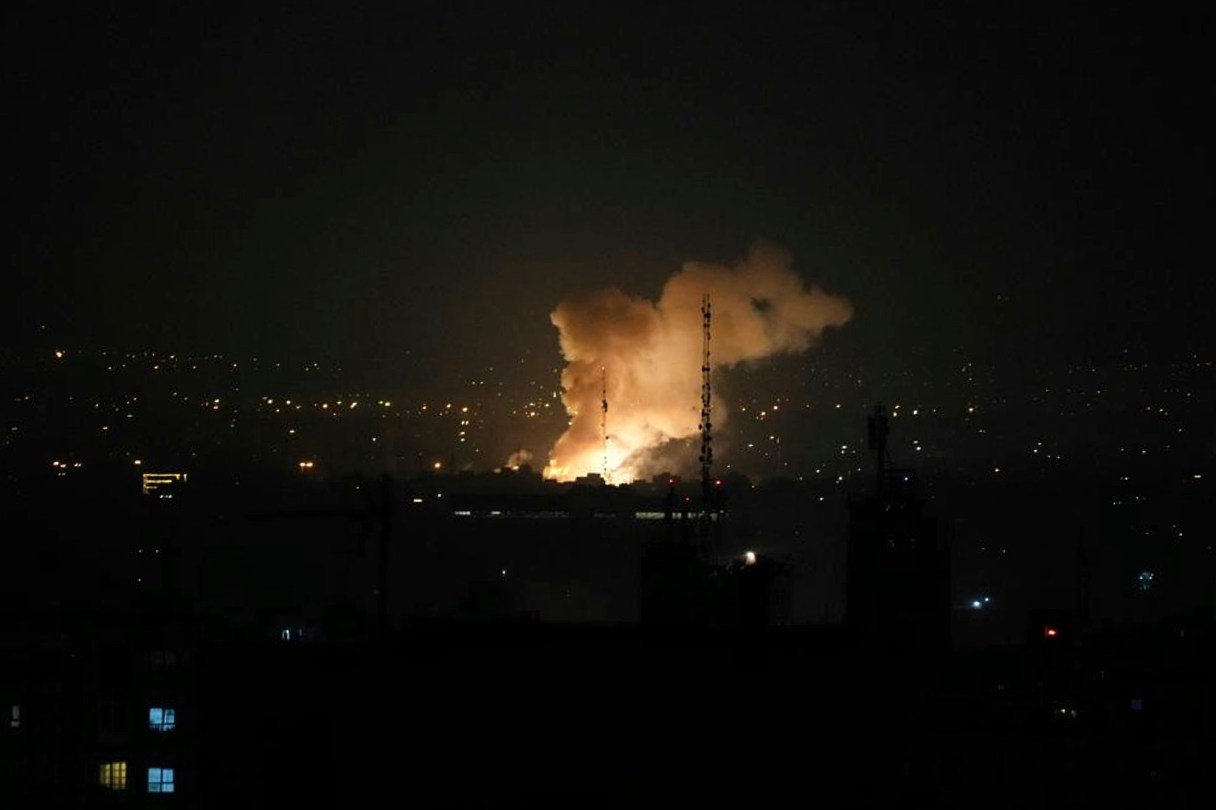
The full-scale Israeli attack on Iran’s nuclear infrastructure on Friday needs to be added to the list of pivotal, game-changing wars that have reshaped the Middle East since World War II and are known by just their dates – 1956, 1967, 1973, 1982, 2023 – and now 2025.
It is far too early, and the possible outcomes so multifold, to say how the Middle East game of nations will be changed by the Israel-Iran conflict of 2025. All I would say now is that the extreme upside possibility – that this puts in motion a set of falling dominoes, ending with the toppling of the Iranian regime and its replacement by a more decent, secular and consensual one – and the extreme downside possibility that it sets the whole region on fire and sucks in the United States are both on the table.
Between these extremes still lies a middle-ground possibility – a negotiated solution – but not for long. President Donald Trump has deftly used the Israeli attack to, in effect, say to the Iranians: “I am still ready to negotiate a peaceful end to your nuclear program, and you might want to go there fast – because my friend Bibi is C-R-A-Z-Y. I am waiting for your call.”
Given this wide range of possibilities, the best thing that I can offer to those watching at home are the key variables that I will be tracking to determine which of these – or some other I can’t anticipate – is the most likely outcome.
First: What makes this Iran-Israel conflict so profound is Israel’s vow to continue the fight this time until it eliminates Iran’s nuclear weapon-making capability – one way or another.