
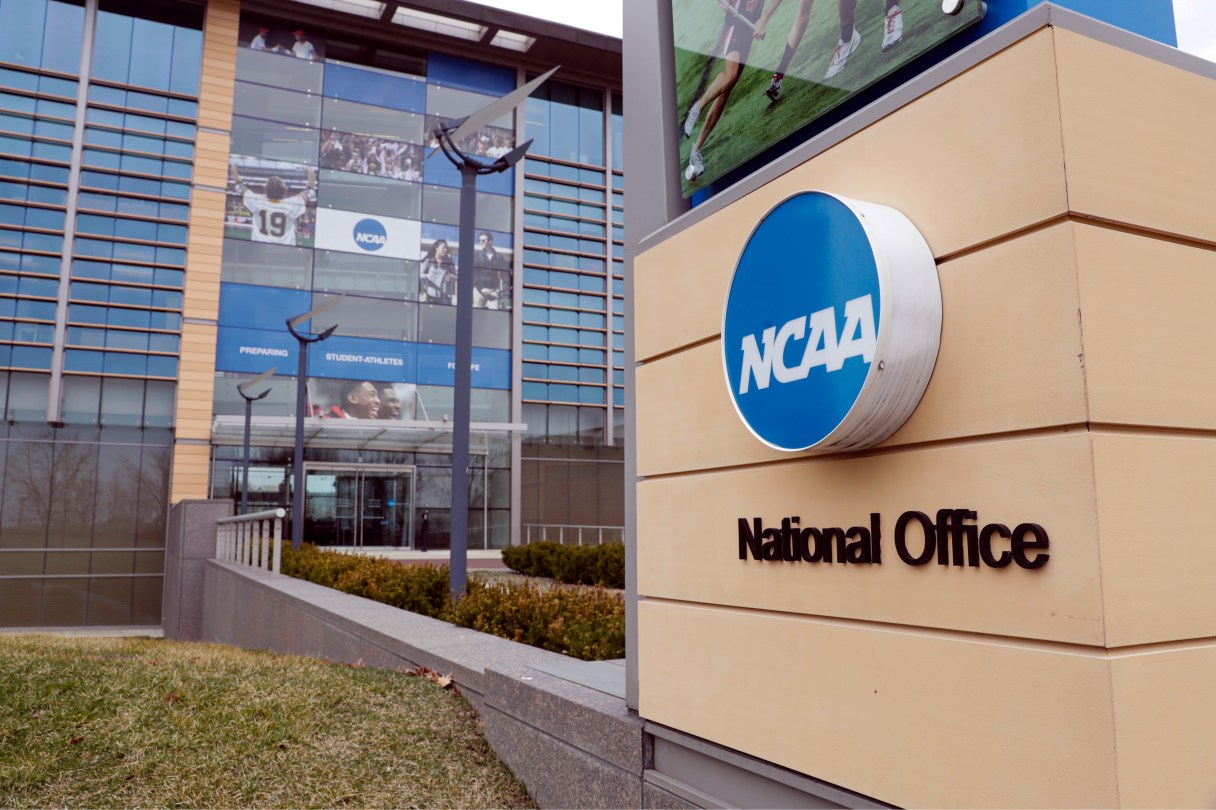
Louisiana is poised to hike taxes on sports betting to pump more than $24 million into athletic departments at the state’s most prominent public universities.
Legislation pending before Gov. Jeff Landry would make Louisiana the first state to raise taxes to fund college sports since a judge approved a landmark settlement with the NCAA allowing schools to directly pay athletes for use of their name, image and likeness (NIL). Anticipating the court’s approval, Arkansas this year became the first to waive state income taxes on NIL payments made to athletes by higher education institutions.
More states seem almost certain to adopt their own creative ways to gain an edge — or at least keep pace — in the rapidly evolving and highly competitive field of college sports.
“These bills, and the inevitable ones that will follow, are intended to make states ‘college-athlete friendly,’” said David Carter, founder of the Sports Business Group consultancy and an adjunct professor at the University of Southern California. But “they will no doubt continue to stoke the debate about the `perceived’ preferential treatment afforded athletes.”
The new NCAA rules allowing direct payments to college athletes kick in July 1. In the first year, each Division I school can share up to $20.5 million with its athletes — a figure that may be easier to meet for big-time programs than for smaller schools weighing whether to divert money from other purposes. The settlement also continues to allow college athletes to receive NIL money from third parties, such as donor-backed collectives that support specific schools.