
If you are experiencing a mental health emergency, call now. Help is available 24 hours a day, seven days a week. Call or text 988. You can also chat with 988lifeline.org.
June is Men’s Mental Health Awareness Month, but Brandon Clift’s year-round passion comes from his own story. Clift, cohost of The ManKind Project USA’s podcast, said he experienced loneliness and isolation in his early 20s.
Clift pursued the benchmarks he was taught equaled success, but he ultimately felt unfulfilled and empty despite having a successful business. He felt as if he didn’t have anyone to open up to.
“I was chasing a lot of the things that were espoused to me as being very important, like making money, looking successful,” he said via a video interview.
Without a model, Clift said he didn’t process events and behaved in upsetting ways.
In March 2020, Clift said, he moved to Chattanooga. Recently, The ManKind podcast, ranked 11 out of 70 in a MillionPodcasts ranking of men’s health shows.
Now 32, married and a father, Clift said his involvement in men’s groups helped him overcome his challenges. He said the spaces are pillars where men can discuss without risk their challenges in relationships, life and past — even political opinions.
Growing up, Clift said his outlook on mental health was informed by attending an Australian, Christian boy’s school.
“The religion was rugby,” he said. “It was being an alpha. It was being one of the guys on the field that had the big frames. Lots of muscle. That upbringing informed me that if I didn’t show up as an athlete, if I didn’t talk about how many girls I hooked up with on the weekend, if I didn’t put on this mask or this kind of bravado, that I wasn’t a man, that I wasn’t good enough, that I couldn’t be socially accepted.”
(READ MORE: New Parkridge center aims to help community improve its mental health)
In adolescence, Clift said being socially accepted feels important as popular kids are elevated to a pedestal.
“That’s a very common experience for a lot of boys and a lot of men, whether they went to an all-boys school or they’re in a coed environment,” he said. “There’s this pressure to show up and look a certain way — behave a certain way — that’s inauthentic.”
Men’s mental health is important because 50% of the world’s population is male, he said, and men are struggling more than most groups. Taking things on the chin, solving problems with fists and keeping secret that you are having a difficult time in life are the scripts of manhood, Clift said.
“Broadly speaking, society has conditioned boys and men to not open up about their challenges and their struggles,” he said. “So, the importance of addressing men’s mental health is, we’ve got a lot of catching up to do.”
Perception
Researcher Paul Kivel identified the “Act Like a Man Box,” or societal rules under which men are perceived as being:
— Bread winners
— Violent
— Mean
— Bullies
— Tough
— Angry
— Active
— Strong
— Successful
— In control of women
‘DO THE WORK’
Clift said he’s nervous in raising his young daughter in a world where men treat and think of women in certain ways while policing them into solely being housekeepers who raise children.
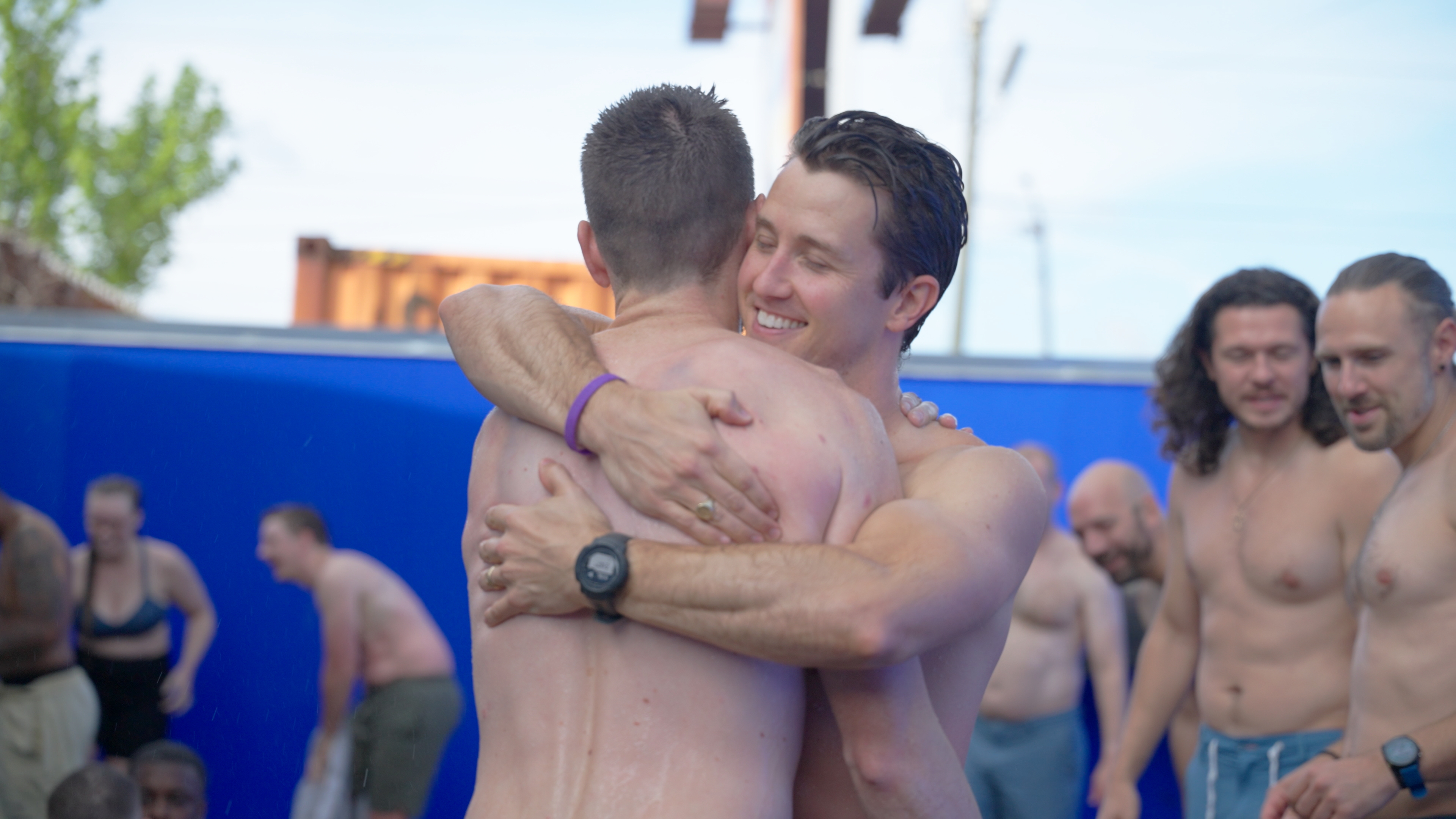
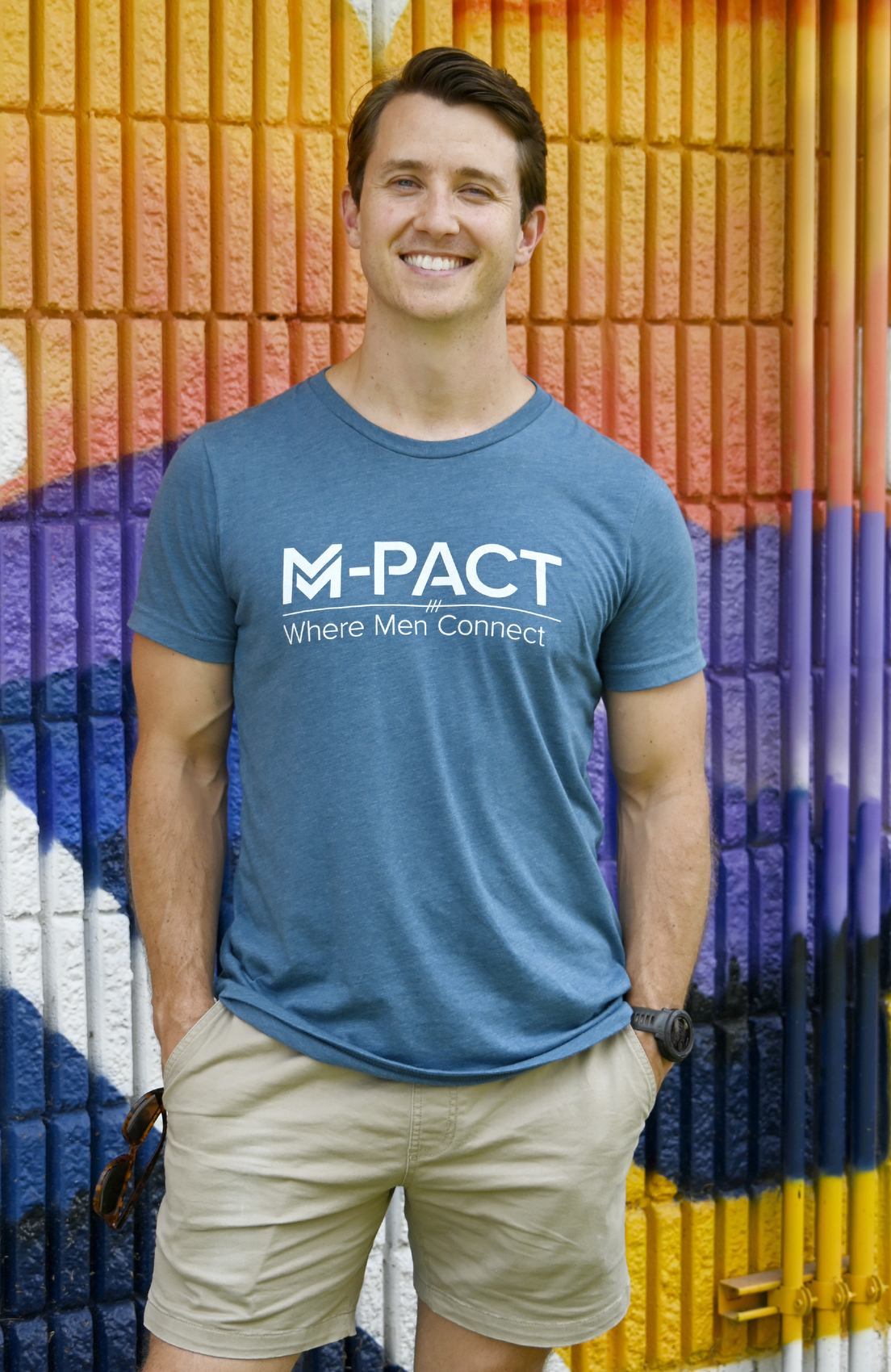
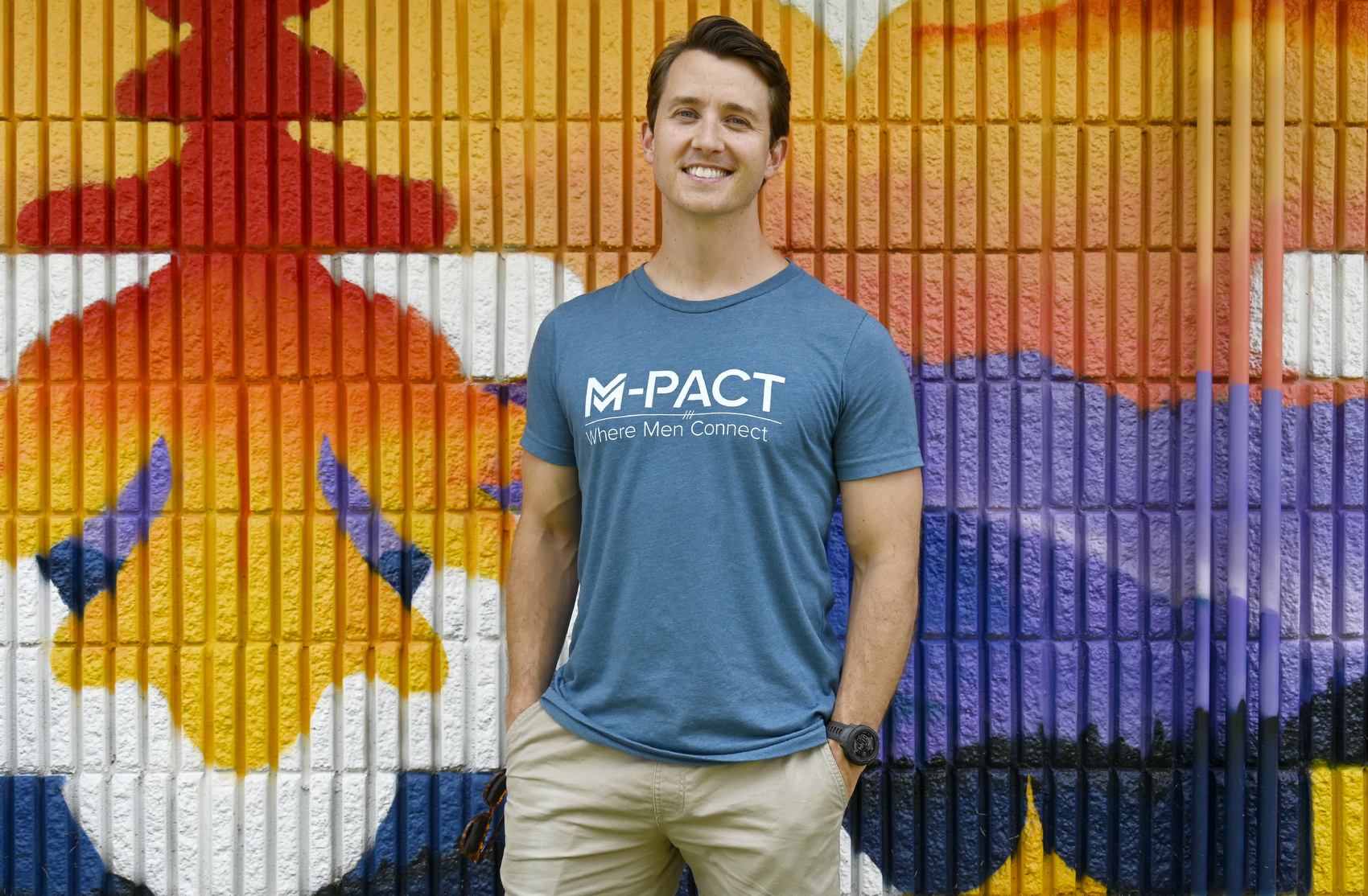
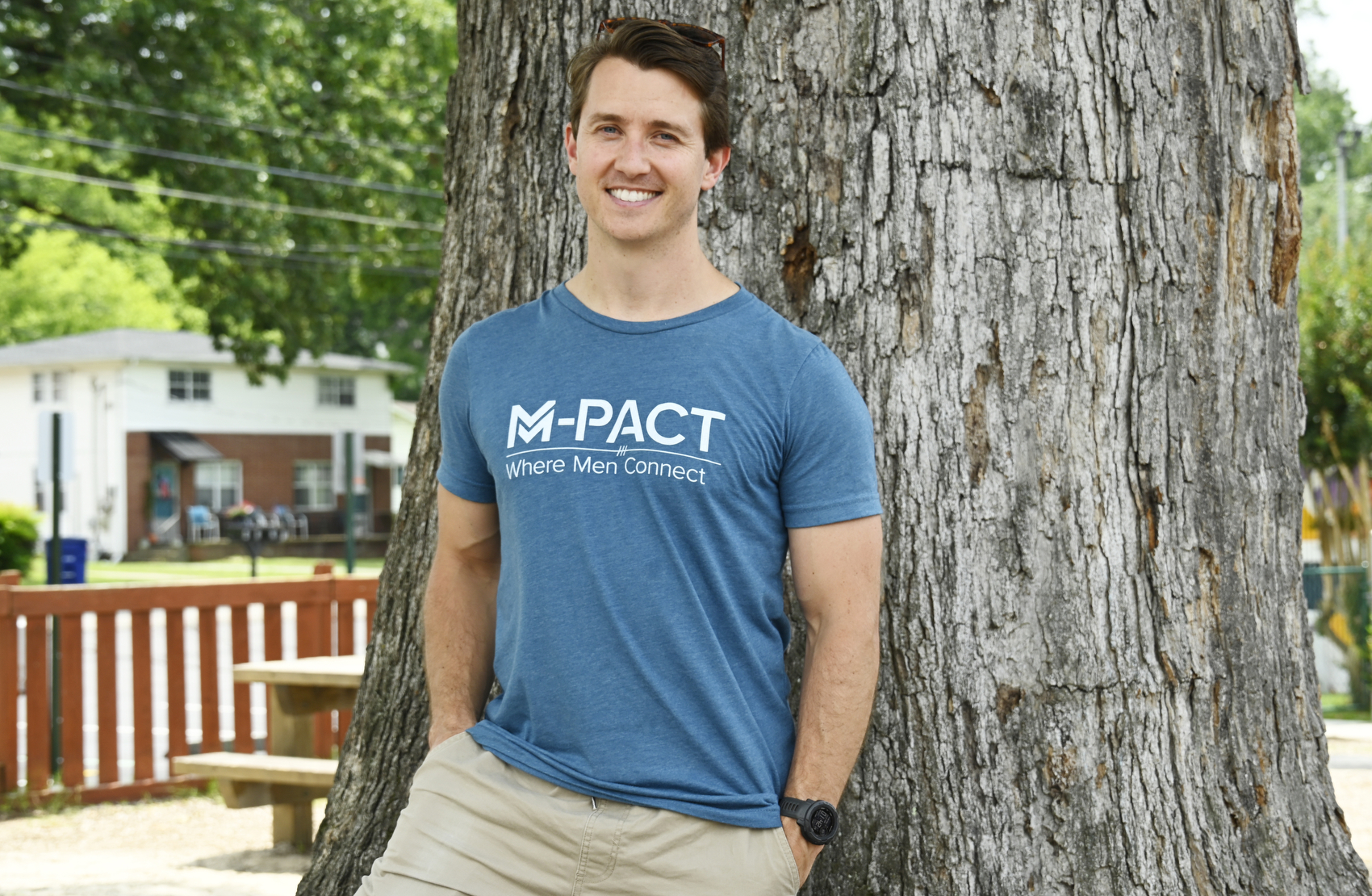
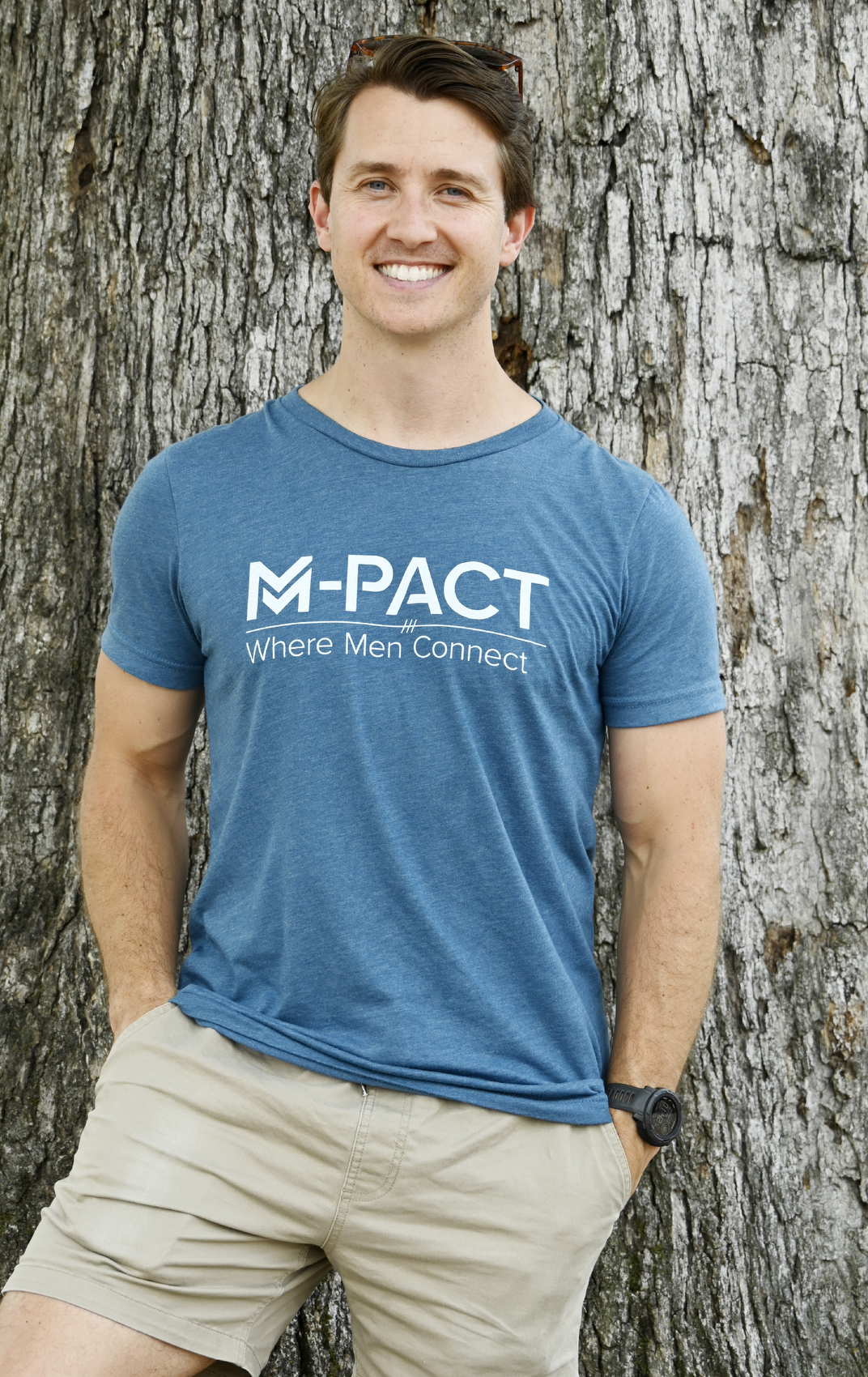
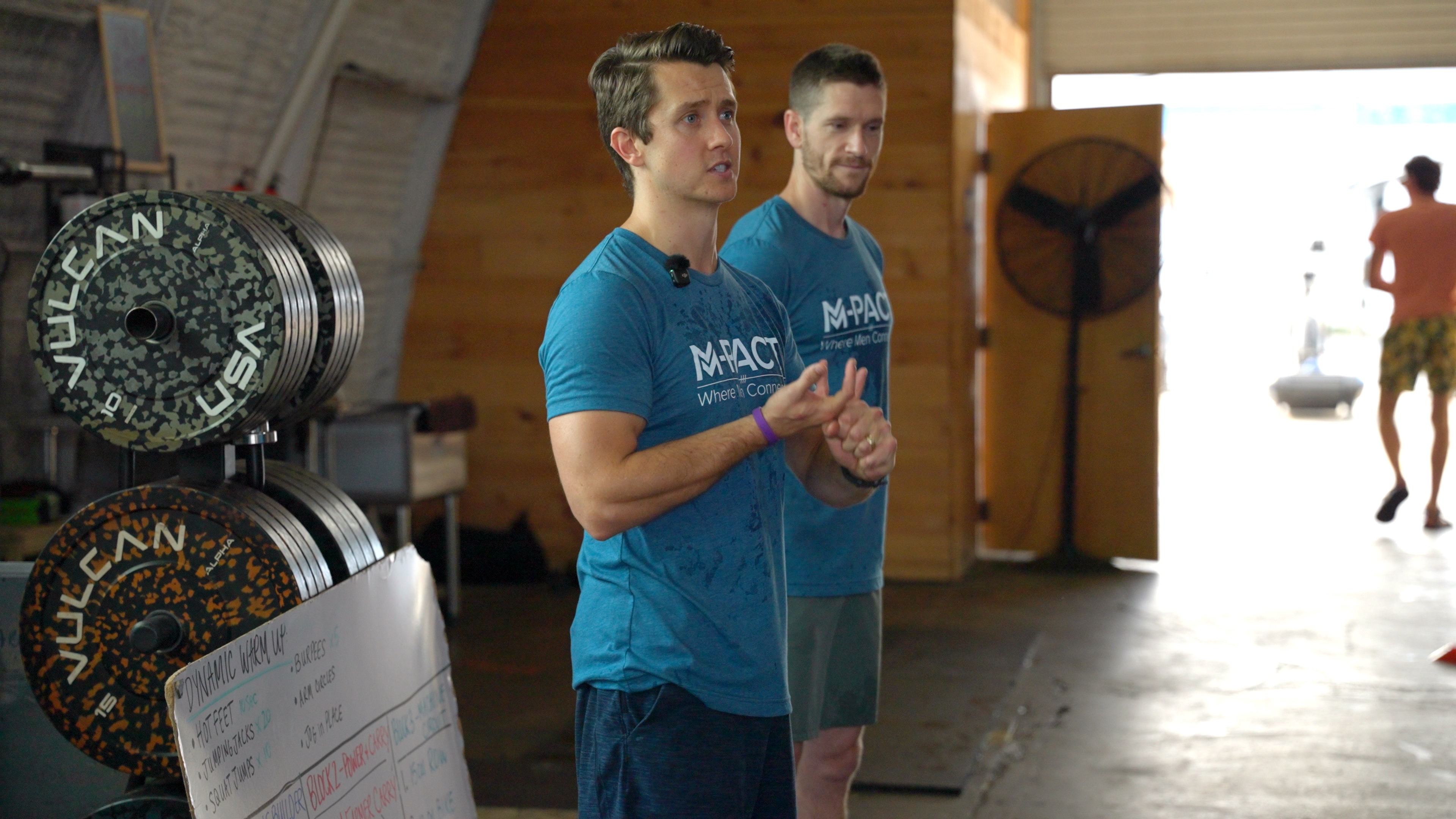
As a father, Clift said he wants to ensure she is surrounded by males who understand their emotions, are emotionally responsible and take ownership for their actions. It’s one reason he shares information about non-religious nonprofit The ManKind Project’s groups like M-PACT, of which he’s a co-founder, or Men Who Chatt. During the M-PACT August event, Clift said he expects 200 to 300 attendees while Men Who Chatt has more than 50 members.
M-PACT Chattanooga is an initiative challenging male loneliness, Clift said. From fitness to beer brewing and Dungeons & Dragons, Clift said organizers recognize men’s broad interests, so they provide plentiful community options.
Neil Place is an “evangelist” for mental health. An M-PACT organizer, Place said he found value in having a space to connect with other men to discuss male-specific and human issues.
Via phone, he said the initiative is about lowering the barrier to entry because not everyone is ready for therapy or connecting formally. Instead, he said everyone can play a game, meet someone new and feel more at home in the city.
Place, a mental health specialist, encouraged struggling men to be honest with themselves.
“Starting at a place where you can name whatever is there,” he said, “whether that’s anger, fear, sadness, shame, and getting to the root of that, then puts us in a position to start to actually do the work in a real and meaningful way. The other half of the battle is doing that with self-compassion and self-love.”
Men feel pressure to act certain ways, encounter stigma in seeking mental health help

INTERNALIZING ISSUES
Inaccurately, men are not seen as a group that struggles with mental health, said Jason Reich, a counselor with CHI Memorial Integrative Medicine Associates. He said the societal and internal view of them being tough is one of men’s greatest mental health barriers.
Reich said men don’t think they need help, hiding their emotions.
“Often, because they don’t show some of the outward signs of struggles with mental health,” he said, “they don’t get the same attention as women or children.”
Suicide completion is higher among men, Reich said, but women attempt more. He said men’s mental conditions aren’t known until things are grave, and their suicide attempts are often more aggressive because they use means more likely to end in death.
“I think in one way, women use suicide attempts as more of a cry for help,” he said. “Men, once they get to that point, a lot of men have already decided that this is the end goal.”
(READ MORE: Suicide Prevention Month brings resources into focus)
He said men may feel they’re not allowed to suffer and should be OK, so they commit suicide.
Internalization is when people push things down to deal with their mental health, Reich said. There’s a tendency among men to internalize some of their issues rather than externalizing them, he said.
Women often complain of their husbands and boyfriends not engaging and being withdrawn, he said.
“They just go about their business, kind of trucking along on the day-to-day issues, but with no real evidence of a struggle,” he said.
Attributes
Researcher Paul Kivel identified the “Act Like a Man Box,” or societal rules under which men:
— Have no emotions
— Stand up for themselves
— Yell at people
— Can take it
— Don’t make mistakes
— Don’t cry
— Take charge
— Push people around
— Know about sex
— Don’t back down
— Take care of people
A DOORWAY
He said externalization or an explosive response is a tipping point. There’s sudden anger and complete disengagement, where they may be severely depressed.
“Nothing is ever wrong until it is,” he said. “So, when the release does come from mental health issues, it usually tends to be big.”
He said more men are accessing resources or agreeing to see someone, but at a rate far less than women.
Reich said men seldom discuss their emotions, but they do well in activity groups for support. This may be at church or bikers meeting to grab a beer after a race.
“When men see other men open up, then it kind of creates a doorway for them to also feel like it’s OK to do so,” he said.
Repression, suppression and expression are how people handle emotions, he said. He said expression always happens in some way, it’s the relief of both repressed and suppressed thoughts coming out.
Expression can be an activity like exercise, singing or art that helps with one’s emotional state, he said. Reich said some men lack hobbies and, therefore, an expression period.
Things have progressed in destigmatizing male mental health help since the 1940s, ’50s and ’60s, when Reich said the mother was the emotional leader in the home.
“I think that’s changed where we see kind of this idea that men can be emotional,” he said. “Men can be connected. Men can have feelings, too, and should have these things.”
Clift, the podcaster, said the narrative that no one is discussing mental health and other issues impacting males should end.
While society is playing catch-up, it isn’t starting from ground zero, he said. He said Gen-Z males are the most likely to have conversations about mental health and get support, despite being the loneliest demographic. He said this means the right things are being done.
The shift in how people view emotion is healthy, Reich said.
“There aren’t bad or good feelings,” he said. “They’re all part of the human experience, and so when we allow for that — acknowledge when things are not well, then listen — men will talk about it more.”
Contact Leah Hunter at lhunter@timesfreepress.com or 423-757-6673.
Defense
Researcher Paul Kivel identified the “Act Like a Man Box,” or societal rules under which men use perceived roles and attributes as defense mechanisms for feeling:
— Confused
— Angry
— Scared
— Ashamed
— Alone
— Stupid
— Powerless
— Vulnerable
— Revenge
— Hopeless
— Worthless