
If you are experiencing a mental health emergency, call now. Help is available 24 hours a day, seven days a week. Call or text 988. You can also chat with 988lifeline.org
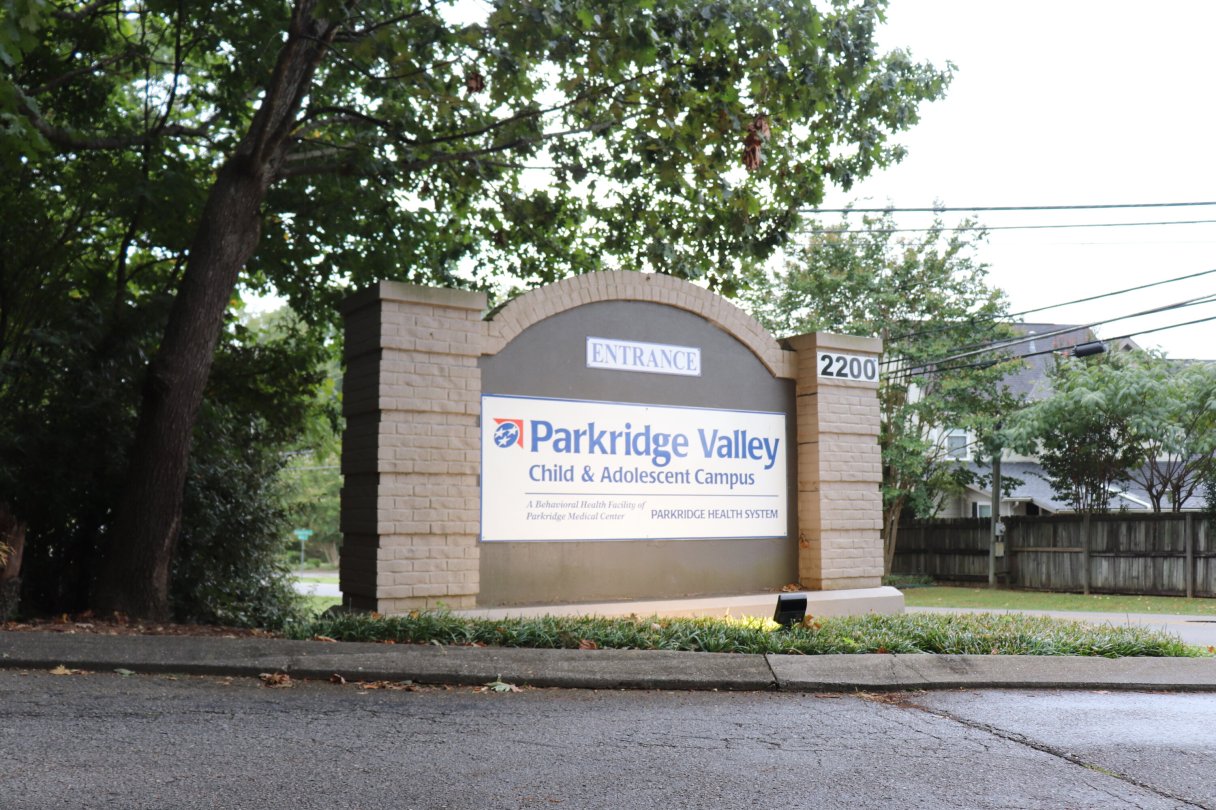
September is National Suicide Prevention Month, and staff members at Parkridge Valley Hospital want the community to know there is help for those contemplating ending their lives.
Kristin Smith, a licensed professional counselor and mental health service professional, said the idea is to spark discussions and create awareness around suicide, making the topic easier to talk about.
According to the U.S. Centers for Disease Control and Prevention, 3.8 million people made a plan to commit suicide in 2022, while more than 49,000 people followed through, leading to their deaths.
The number of people creating plans to end their lives has increased on a consistent basis the past several years, but the number of Americans who have committed suicide has remained about the same, Smith said.
“Even though the numbers are very sobering, that’s positive because that probably means that those Americans are seeking help when they’re having thoughts or even having made a plan,” she said.
U.S. suicide statistics
— 13.2 million seriously contemplated suicide in 2022.
— 3.8 million made a plan to commit suicide in 2022.
— 1.6 million attempted suicide in 2022.
— More than 49,000 people died by suicide in 2022.
— Every 11 minutes, one person dies by suicide.
Source: U.S. Centers for Disease Control and Prevention
Smith said she believes the number of people contemplating suicide is increasing due to life stress, including pressure caused by the pandemic.
“The pandemic was very devastating for a lot of Americans,” she said. “People lost jobs. Financial implications are long-standing, and so I think that’s why people are also sort of feeling more overwhelmed about life now.”
She said she thinks if people were more comfortable discussing their mental health in a similar fashion to their openness about their physical health, the statistics would be significantly lower.
Smith said the positive side is that there are more mental health resources in the U.S. now than a few years ago.
One resource is the national suicide hotline, which can be reached at 988, and is answered 24 hours a day, seven days a week, Smith said. In each state, there are dispatchers who can route a person in distress to the appropriate resources in their area.
Locally, Parkridge Valley Hospital offers crisis stabilization services consisting of intense therapy sessions and medication management, Smith said. Other treatment programs are available depending on a patient’s severity risk.
When people with suicidal thoughts visit Parkridge, Smith said professionals first talk to the patient to figure out what’s going on and complete an in-depth assessment before recommending the best treatment plan.
“Depending on the symptomatology or what’s going on with you, your stay may be just a few days with us,” she said. “It may be a little bit longer, or you may not have to stay with us at all. You could participate in one of our outpatient programs.”
In October, Smith said Parkridge Valley Hospital, which concentrates on behavioral health, will open an individual therapy clinic, offering further support for those with suicidal ideation.
If someone is having suicidal thoughts, they should call Parkridge Valley Hospital at 423-499-2300 to receive details on its prevention programs, Smith said.
Warning signs of suicide
— Loss of interest or withdrawal from regular activities
— If someone appears down or does not quite seem like themselves
— Statements of hopelessness; talk about life not worth living
— Giving away prized possessions or selling items
— Changes in sleep or increase in irritability
Source: Kristin Smith, licensed professional counselor/mental health service professional, Parkridge Valley Hospital
To help someone suspected to be suicidal, Smith suggested talking to them to convince them to take a step toward getting treatment or intervention.
“That can be as simple as, you know, letting them know that you’ve seen changes in them,” she said. “We always recommend to not kind of putting it on them, like, ‘You seem depressed,’ but saying more first-person statements, like, ‘I’ve noticed that you are not as interested in some of these things that you have been.'”
Smith said for loved ones to list the changes they’ve observed in the person they suspect to be suicidal. If someone has missed family dinners or skipped out on their extracurricular activities, for example, bring it to their attention.
She said it’s best to use positive language when approaching a someone about the topic and to say things like, “We want you to be here with us; we want for you to get help.”
Supportive language also helps, Smith said, and those concerned can offer to help someone contemplating suicide make a phone call or go with them to an appointment to get help.
If someone isn’t responsive to help but concerns persist, Smith recommends to “keep at it.”
“A lot of times, asking for mental health treatment is very, very difficult, solely because a lot of people view it as a failure, that they failed if they need to reach out for professional help,” Smith said. “That’s really not the case at all.”
For people who have been affected by suicide, Smith recommends trying therapy or seeing a psychiatrist about medication management because suicide loss can cause symptoms of depression.
(READ MORE: ‘One pill can kill’: Parents’ billboards raise overdose awareness in Chattanooga)
Smith also recommends suicide loss survivors join local advocacy group chapters like the Tennessee Suicide Prevention Network and the National Alliance on Mental Illness Chattanooga, where people share experiences with others who have been through similar tragedies.
“Everyone’s grief process is very different, and some people may start feeling better quickly, and some people may take a while,” she said.
Parkridge Valley Hospital CEO Krikor Jansezian said the Parkridge Health System is here for everyone in the community and partners with many community organizations to help intervene and provide care in times of crisis.
“We want to bring awareness to this very important topic because suicide remains one of the leading causes of death in the U.S.,” Jansezian said. “Everyone should be alert when our family or our friends might be struggling, and even when we ourselves might be struggling.”
Contact Leah Hunter at lhunter@timesfreepress.com or at 423-757-6673.