

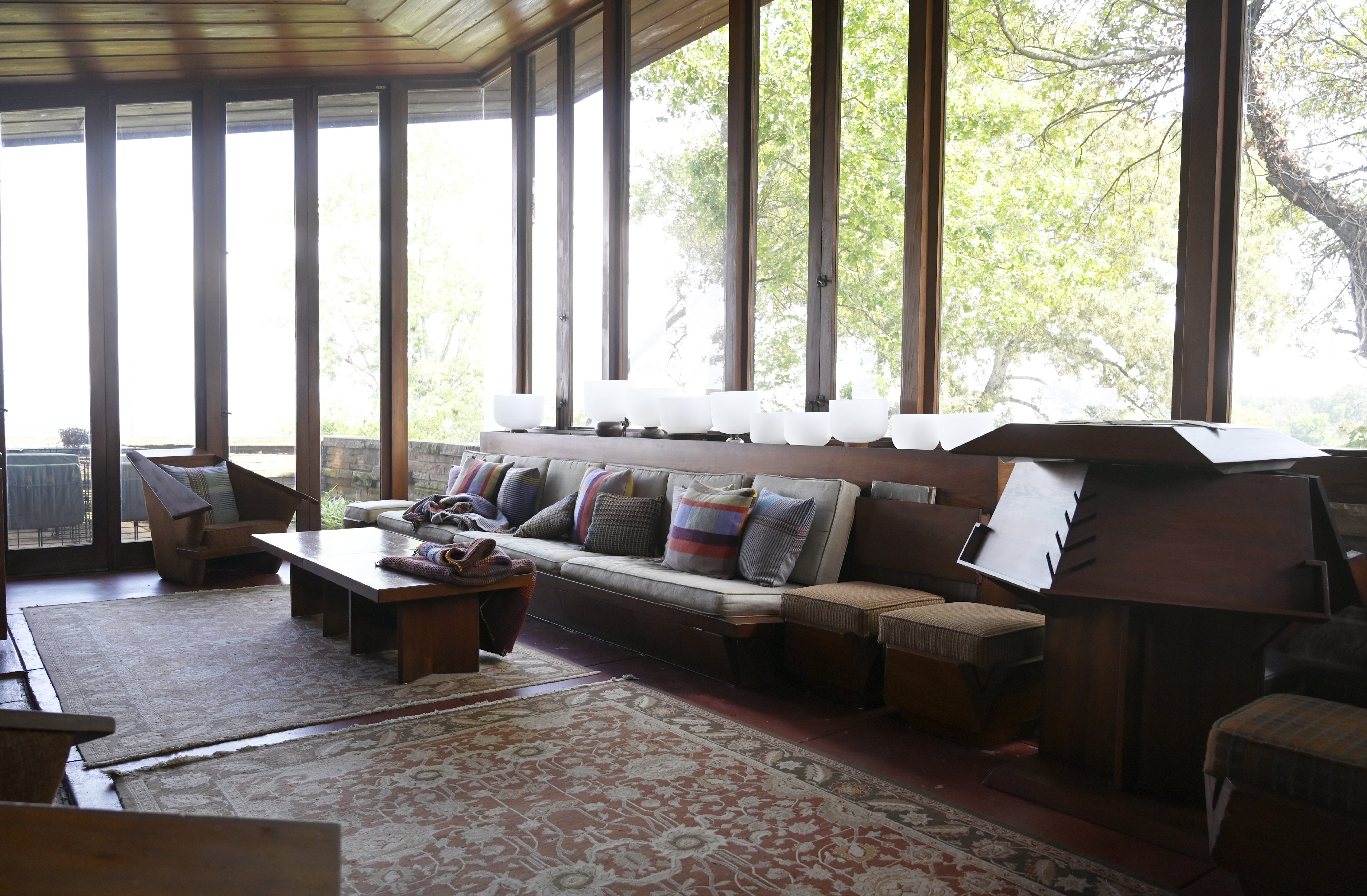
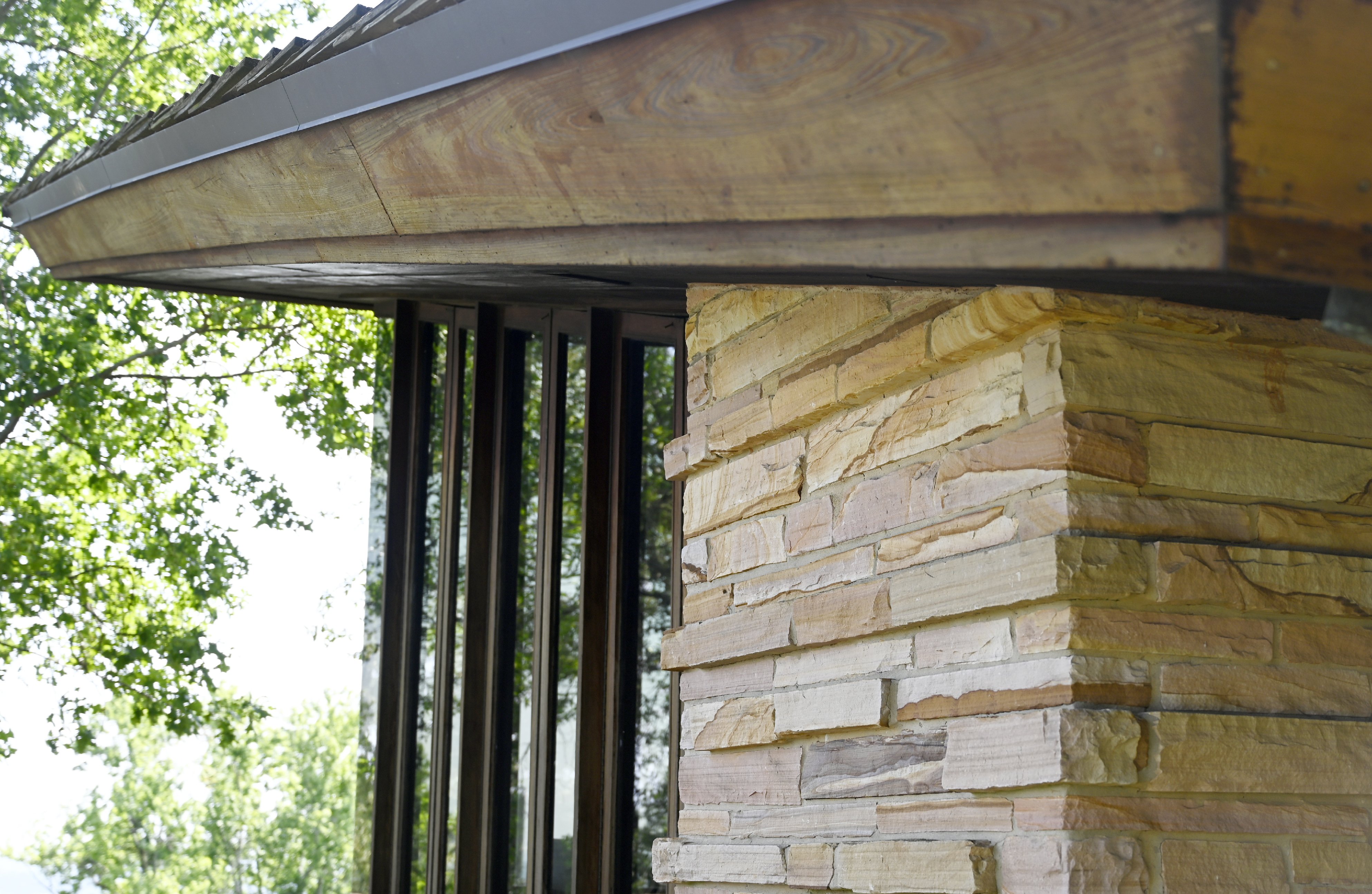
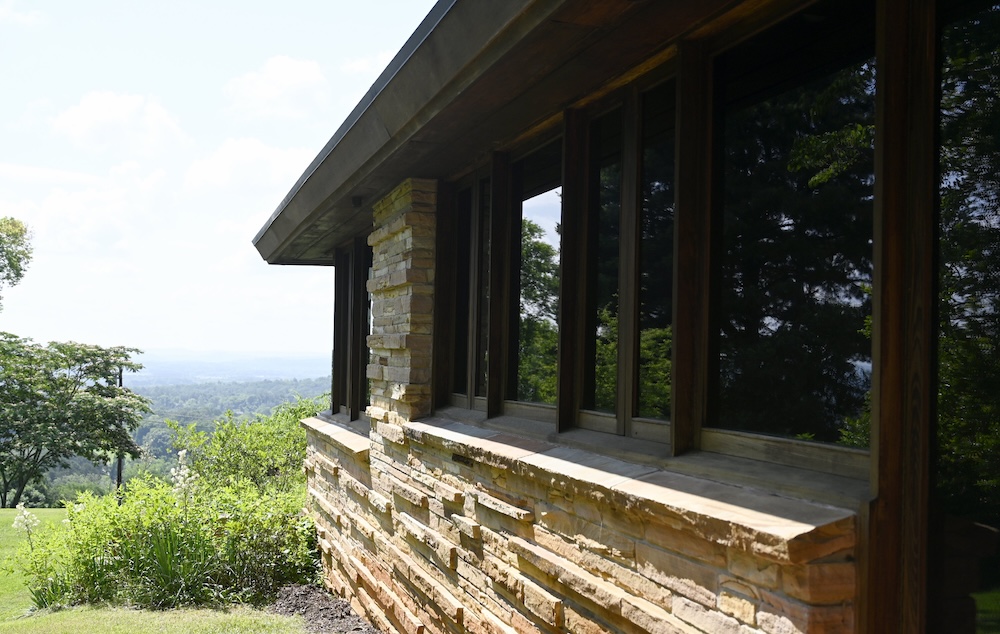
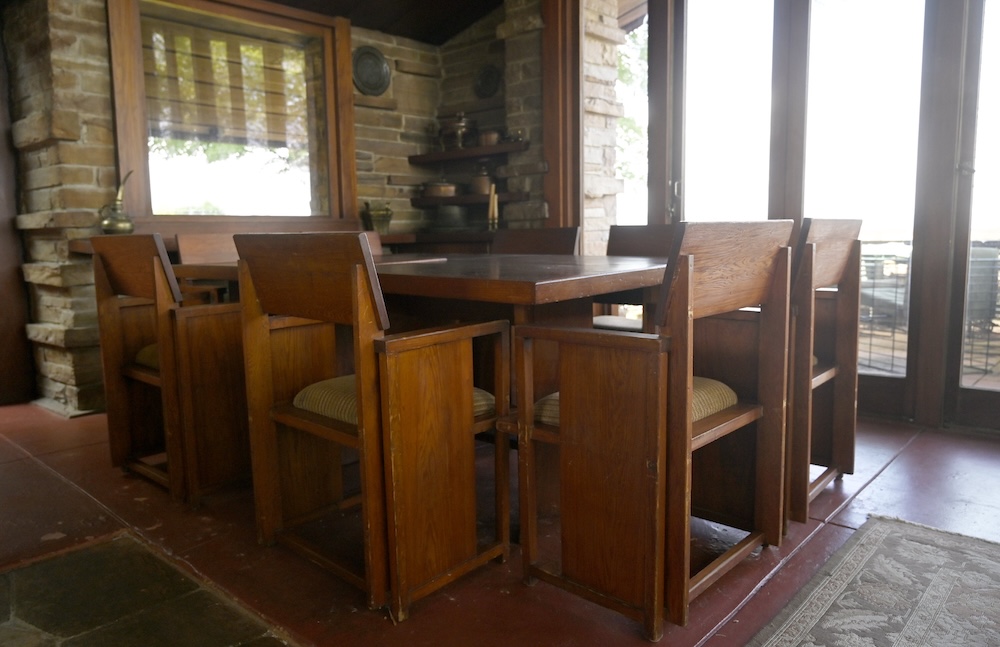
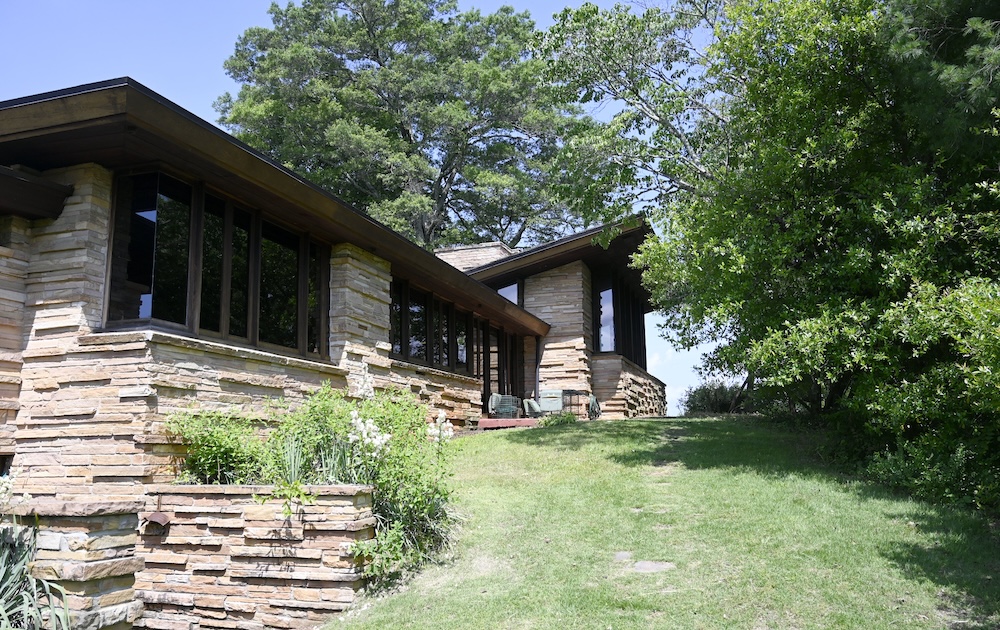
Chattanooga named its first local historic landmark, a Frank Lloyd Wright-designed home on Missionary Ridge, in 1995.
Thirty years later, it’s still the city’s only local landmark.
The designation is meant to protect significant buildings from demolition or major modifications. While in some places, acquiring landmark status also comes with incentives like money for preservation or tax credits, Chattanooga’s program doesn’t offer those perks.
(READ MORE: Preserve Chattanooga director talks historic buildings, funding and other trends)
As a local historic landmark, the Wright house is supposed to be subject to city rules that also apply to Chattanooga’s four historic districts: Fort Wood, St. Elmo, Ferger Place and Battery Place.
Those regulations, which place strict limits on what can be done to the exterior of historic buildings, are being updated this year, including a more explicit inclusion of the Wright house.
In an effort to save more of Chattanooga’s most significant historic buildings, Preserve Chattanooga Director Todd Morgan says his organization wants to add more buildings to the landmarks list.
The county already has 110 places recognized on the National Register of Historic Places, including the Chattanooga Choo Choo (or Terminal Station), the Tivoli Theater, the Hamilton County Courthouse and the soon-to-be-demolished Medical Arts building on McCallie Avenue.
Hoping to save the Medical Arts building earlier this year, Morgan started applying to make it a local landmark but withdrew his application because he lacked the owners’ support.
“That could just give us a little bit more influence over controlling demolition or very inappropriate changes,” he said by phone.
Morgan said the National Register is a good place to start identifying more potential local landmarks.
“It’s very important to try to protect places at the local level as much as possible,” Morgan said, “because that’s really where you can be impactful. The National Register doesn’t offer any protection.”
The original owners of the Wright house, Gerte and Seamour Shavin, applied for local landmark status out of fear their house could be bought by someone who didn’t care for it, the owners’ daughter, Karen Shavin, said.
(READ MORE: Tennessee’s only Frank Lloyd Wright house sits on Missionary Ridge)
What if someone bought it just for the lot, on coveted North Crest Road with a sweeping view, or wanted to make major changes to the house that went against Wright’s vision?
But the regulations the house must follow, which requires any change to its exterior to be approved by a city board, make the landmark status more of a burden than a benefit, Karen Shavin said. She worries that strict rules and fees could actually hinder preservation for some properties.
“I don’t know why anyone would want to be a local historic landmark,” Shavin said in an interview. “There was no advantage.”
Chattanooga landmark still stands alone after 30 years
THE LONE LANDMARK
Shavin said the terms her parents included in their application, mainly aimed at avoiding demolition, should be the only guiding document for the Frank Lloyd Wright house.
But city guidelines for historic zoning supersede those guidelines, Cassie Cline, Chattanooga’s historic preservation planner, said in an email.
That means any change to the home’s exterior would have to go before the city’s Historic Zoning Commission.
Shavin said her parents did some work to the home before it was designated a landmark, which means it’s not in completely original condition. The landmark status is meant to keep the house in the condition it was in when it was awarded in 1995, she said.
Shavin hasn’t sought permits for any exterior work, but a mason she wanted to work with to repair a stone pond at the Wright house seemed to run into issues, she said. The city requires applications for exterior work to include photos, site plans or maps, elevation drawings and a list of materials to be used.
“They’re going to deny that they’re keeping me from doing anything because I can go pay a lot of money to get someone to draw up plans and go to them to approval,” she said by phone. “But that’s a pain in the butt and expensive. But I think that the bigger issue is they’re deciding what is appropriate for a Frank Lloyd Wright house, and there are experts who know better.”
Until now, each historic district has been operating under its own set of guidelines.
The new regulations being developed this year will consolidate all four districts, plus the Wright house, into one document. Shavin said she wishes she was notified or consulted about that change, which seems to saddle the maintenance of the house with more bureaucracy.
“Can they single out one property in a document that is meant to apply in general?” Shavin said. “It feels to me like a nontransparent attempt to control what they want to control.”
(SIGN UP: Get our top headlines in your inbox every morning by going to timesfreepress.com/morning)
MORE LANDMARKS?
The city can’t initiate an application for landmark status itself, Cline said.
Applications can come from the property owner, a neighborhood association, City Council member or a professional group like Preserve Chattanooga, according to city guidelines.
“I would love to meet with any neighbors and property owners who may be interested in learning more about local historic designations,” Cline said in an email. “I am available to host pre-application meetings with any parties or individuals interested in local designation of districts or individual landmark properties.”
Preservation gained popularity in the 1960s and ’70s, as urban renewal began decimating historic buildings and landscapes nationally, Cline said.
Chattanooga saw more interest in preservation starting in the 1980s and ’90s, she said, including the Shavins’ landmark application. The city’s four historic districts were also designated during that time. Cline said that move came in reaction to development pressure.
“In 2025, we are seeing Chattanooga rapidly change again and have multiple unprotected historic buildings that are slated for demolition,” Cline said. “Unfortunately, preservation efforts are usually reactive and changes are made once communities have lost historic resources to demolition.”
Morgan, with Preserve Chattanooga, said the landmark status may not come with incentives, but it does add a layer of oversight that can protect historic buildings.
“A small group of people, at any given moment in time, can devastate a city’s architectural heritage,” Morgan said. “Yes, these are individually owned properties, but some of them become so significant that they’re bigger than any individual owner.”
Morgan said he’s working on a list of buildings that would be good candidates to become landmarks and then plans to start reaching out to owners and doing research for any applications.
“What we would like is to be able to take some before the Historic Zoning Commission with owners who are very excited about this process,” he said, “and that will give us a chance to really help the public understand why this is a good thing to be doing.”
A couple of owners have expressed interest so far, Morgan said.
Contact Ellen Gerst at egerst@timesfreepress.com or 423-757-6319.