
“How quickly can I get back to doing what I love?” As a physical therapist, I hear from patients who are eager to return to their regular routines. Bouncing back from an injury or illness can be challenging, but there is a wealth of evidence to help with a quick and safe recovery. Implementing these tips can help you get back to your normal routine faster.
“Heavy” is different for everyone
For some, carrying a grocery bag is heavy, but we customize to the needs of the individual. Our bones and muscles adapt to the stresses we put on them, so if we regularly lift heavy things, we will not only be stronger after injury but it can reduce recovery time. “The farmer’s carry” (walking with weights at your sides) is a favorite exercise of mine. When starting to lift heavy things, it is always best to have a professional assist in setting your goals.
Find activities that you enjoy
I have always loathed using a treadmill, and found that outdoor jogging is my favorite. I do not enjoy weight machines, but love doing farmer’s carries. When determining an exercise program and ensuring longevity, it’s important not only to get your exercise in, but to do so in ways that you enjoy. Fitness centers can be intimidating, which is why we work to individualize exercise recommendations.
Outdoor time does not always equal fitness time
I often ask people what they do for their fitness program, and hear regularly about leisure walks after dinner, doing yard work or playing with the grandkids at the playground. While all of those are excellent family time, I would not consider them fitness. Fitness is increasing your heart rate, breaking a sweat and making your body work at a higher intensity. Our body responds to exercise by adapting our heart, lungs, muscles and bones to meet the needs we put on them.
Address issues early and ask for help
There is a common perception that to attend physical therapy you need to have an injury or illness. Not true! A common group I see in my practice are people recently diagnosed with osteoporosis who are looking for exercise recommendations — with no pain or injury at all! If you feel as if you aren’t bouncing back as quickly as you need to, ask for help from a professional physical therapist earlier.
Find time for yourself and do self-care
We often think life gets easier after retirement, but often it’s quite the opposite with activities like watching grandkids, doctor’s appointments, and community and church events. Fitness and self-care need to be non-negotiables in your schedule. Fitness routines are easier to determine, but self-care can be challenging. Whether it’s sitting on the porch and drinking coffee or getting a massage, make sure to commit time to yourself and not just others.
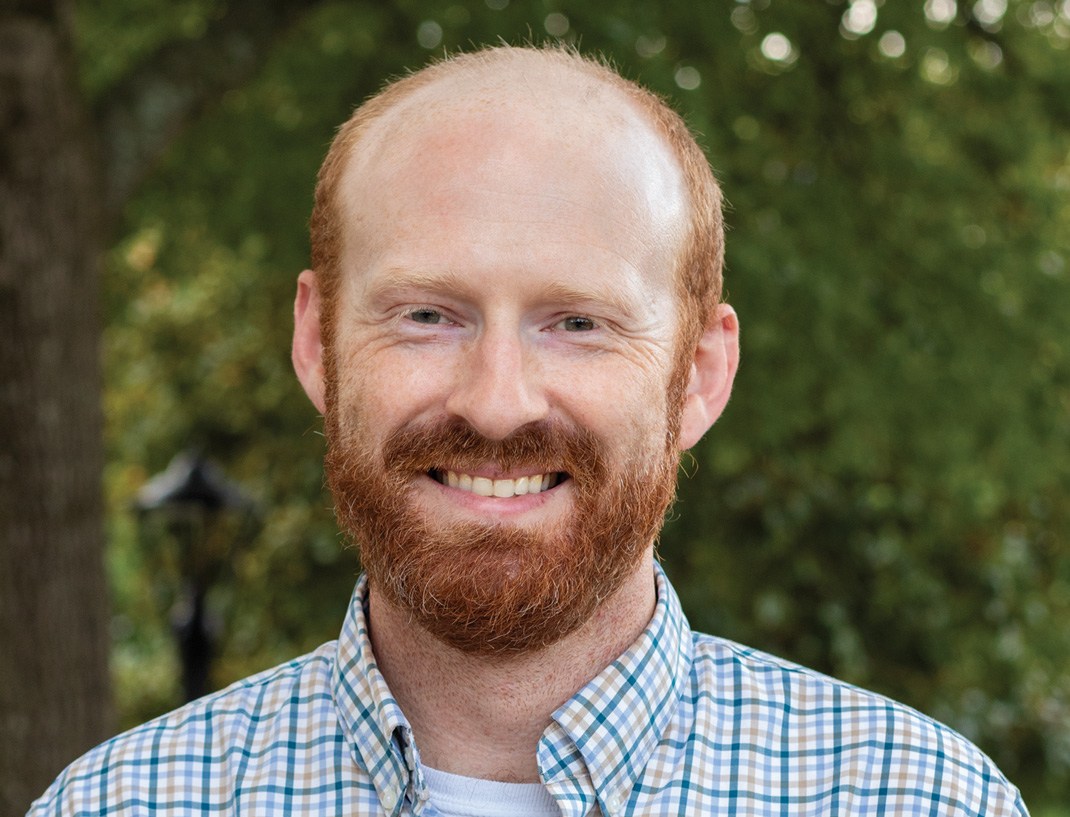
Kyle Binkley PT, DPT is board certified in geriatric and neurologic physical therapy and serves as the director of outpatient therapy at Siskin Hospital for Physical Rehabilitation. He is a faculty member of Siskin Hospital’s neurologic and geriatric physical therapy residency programs, working with individuals who have experienced a concussion and balance/dizziness complaints.