
A startling message came over the radio from an air traffic control tower near Los Angeles less than a week into the federal government shutdown: “The tower is closed due to staffing.”
Without enough air traffic controllers to guide planes into and out of Hollywood Burbank Airport, the tower went dark for almost six hours on Oct. 6, leaving pilots to coordinate their movements among themselves. Flight delays averaged two-and-a-half hours in one of the first visible signs that the shutdown was already taking a toll on the nation’s aviation system.
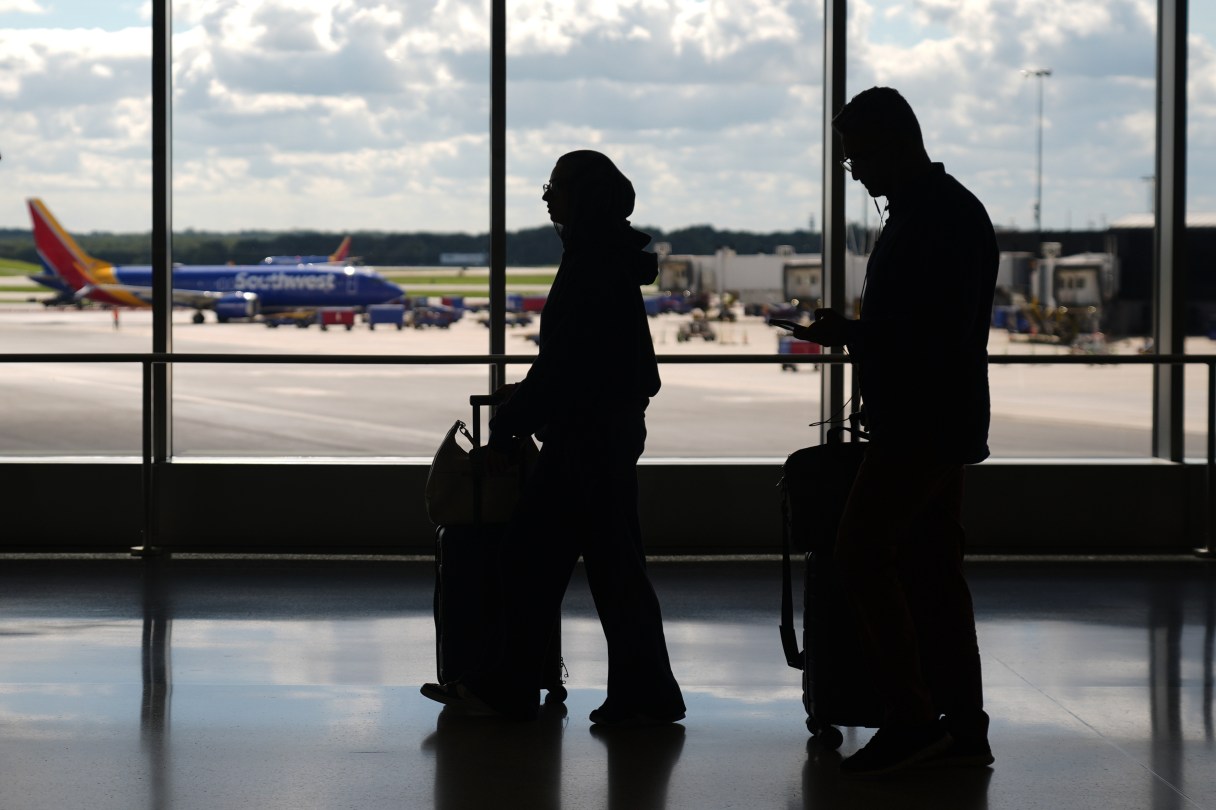
Since the shutdown began Oct. 1, the Federal Aviation Administration has reported controller shortages in cities across the U.S., from airports in Boston and Philadelphia, to control centers in Atlanta and Houston. Flight delays have spread to airports in Nashville, Dallas, Newark and more.
And already there has been an increase in unscheduled absences among security screeners at some airports. The union representing Transportation Security Administration employees says the absences haven’t yet caused major disruptions, but it warned longer lines at security checkpoints could soon become a reality after workers received their final paychecks over the weekend.
Experts and union leaders say the disruptions are a stark reminder that the aviation system is already stretched too thin by chronic understaffing and outdated technology. They warn the cracks in the system could rapidly deepen the longer the shutdown drags on and critical aviation workers are without their regular paychecks.