
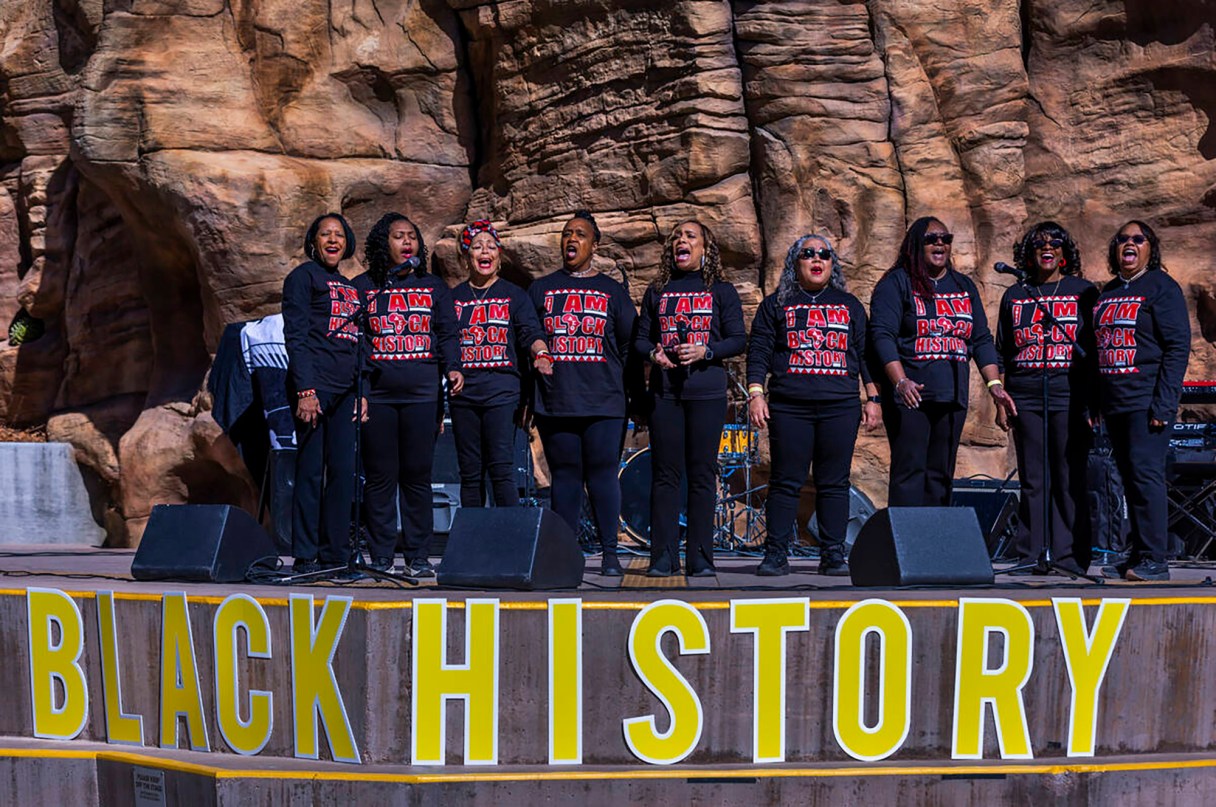
Imagine opening a history textbook and not seeing the faces of key contributors to America’s story. Every February, America observes Black History Month. It started in 1926 as Negro History Week, founded by historian Carter G. Woodson, and its purpose was to make the nation face the truth after erasing Black people from its official story. Woodson knew something we still struggle with: History is not only about the past. It reflects our present.
We celebrate Black resilience, yet increasing policies of exclusion expose a deep national contradiction. Honoring Dr. King’s dream has become a hollow ritual amid policies echoing Jim Crow and the resurgence of surveillance targeting Black communities. Our praise for pioneers like Frederick Douglass rings empty while state power is deployed with suspicion against the same communities they fought to liberate.
Under the President Donald Trump administration, federal enforcement became more militarized and extended beyond border control. ICE now acts as a domestic force with the power to detain, deport and disrupt entire communities. Operations detained refugees, legal residents and asylum seekers. The stories of Renee Good and Alex Pretti stand for those harmed by excessive force, showing what happens when law enforcement loses its sense of humanity. This tragedy caused fear in communities, leaving vulnerable groups even more isolated. Families were separated, and local businesses suffered as trust between residents and authorities broke down.
Black history shows us that when the state treats some people as suspicious, disposable or unwanted, injustice soon follows. Slave patrols once roamed the South. Black codes and vagrancy laws made survival a crime. The federal government watched civil rights leaders as if they were threats. Today, ICE raids and deportations use the same thinking: deciding who gets human rights and who does not.
Excluding Black immigrants today repeats the same patterns of racial injustice that Black history warns us about.