
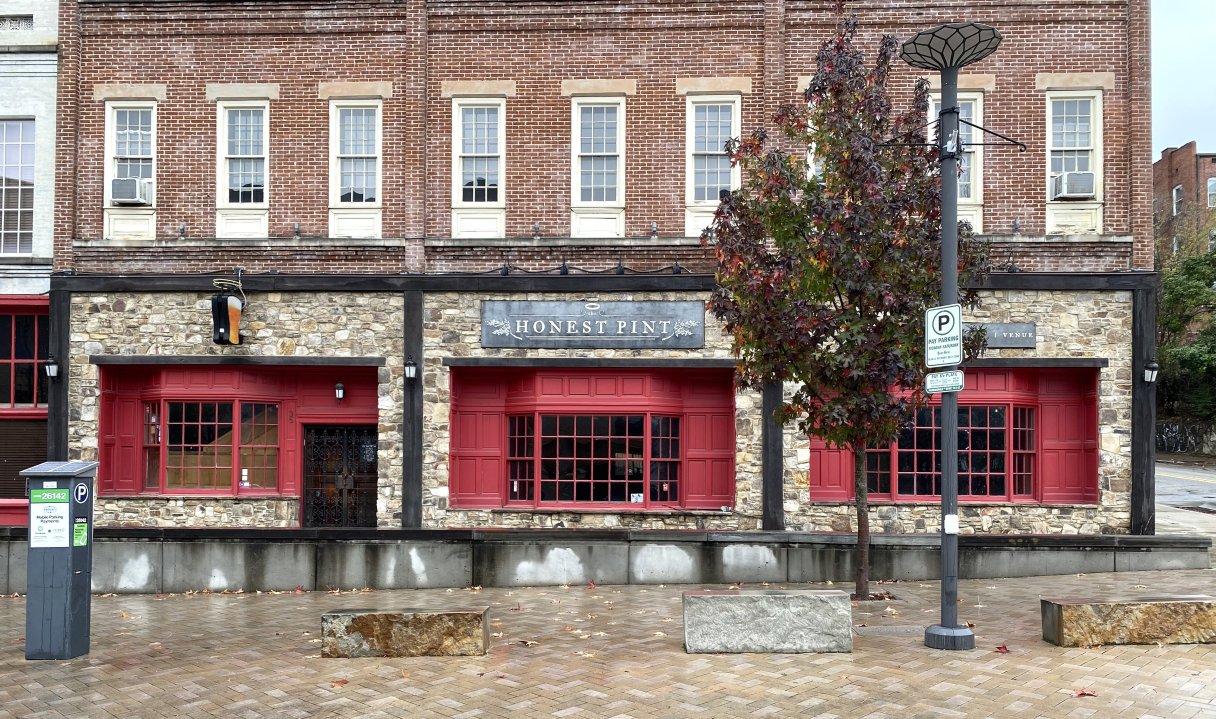
Chattanooga’s rapid loss of historic buildings did not start with Mayor Tim Kelly’s administration. But if they fail to act, it will be remembered that way. The situation can be reversed, though not quickly enough to save everything now at risk.
Chattanooga has a lineup of historic structures in various stages of demolition. Some are iconic, others more easily forgotten, but most of these losses were preventable. Now, an outside developer is seeking to demolish the former Honest Pint building on Patten Square, and people are understandably asking: What can be done to stop this?
(IN THE NEWS: Mixed-use development with 266 apartments planned for Patten Parkway)
The good news is the building can be saved. The bad news is the tools we have are part of the problem. This already reads like a Hallmark script: a beloved old structure, a cherished institution, a villainous developer and a community awakened during the holidays.
The public is fired up. This will not go quietly.
The developer needs a rezoning approved to make the project work. If enough people attend the hearing Monday at 1 p.m. at the county courthouse or call their council members, the deal may fall apart. But what then? Our tools are almost entirely reactionary; we may be left with a vacant building waiting for the next threat.
When we think about old buildings, we often assume the past produced better work, but really, only the strong or beautiful made it to the present. Cities are like coral reefs; they survive by constant renewal. Healthy places are a mix of old and new — steadily adapting, adjusting and growing.
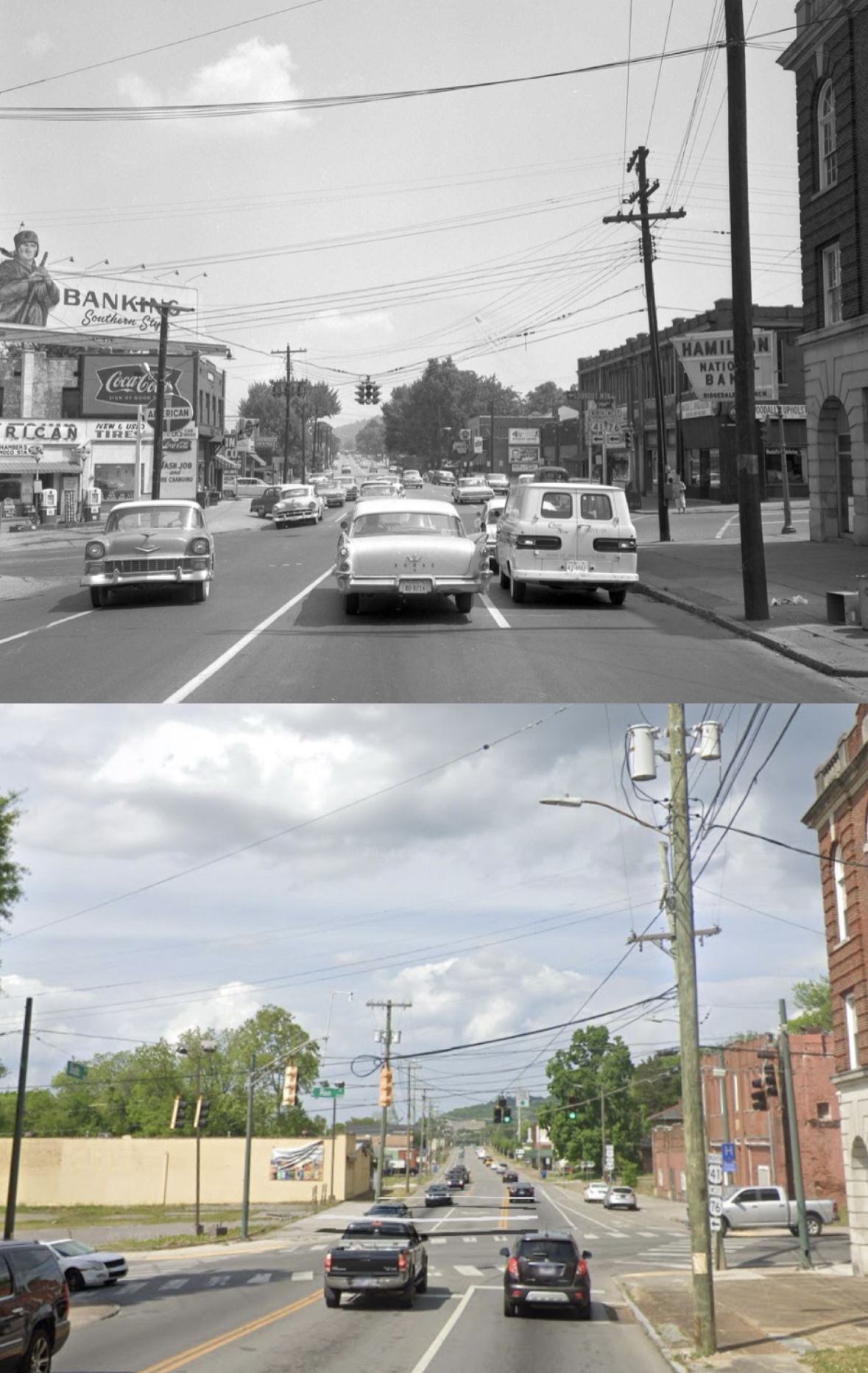
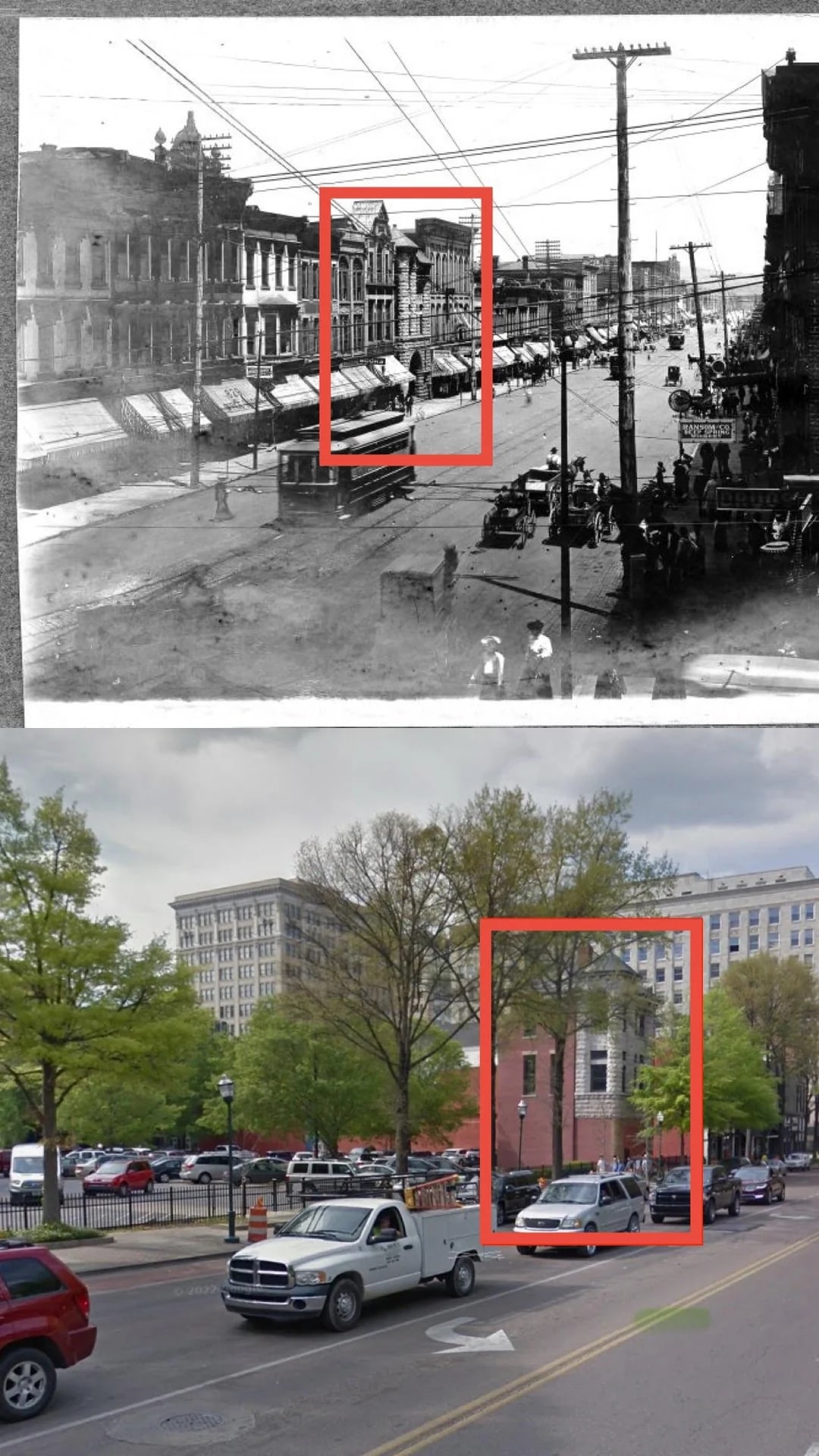
The thing that keeps a building alive is simple: People use it. Even the Acropolis survived, not because it was untouched, but because it was continually repurposed — as a church, a mosque and even a military base. Beauty helps, certainly, but occupancy gives a building a future.
Vacancy is fatal. The larger and more specialized the structure, the harder it is to breathe life back into it. That is why Engel Stadium sits at risk while few mourn AT&T Field. Smaller, flexible buildings are easier to reuse. The new Mad Priest makes its home in a repurposed auto shop; The Rosecomb turned an old North Shore house into a bar. Neighborhoods thrive on these small adaptations.
With ground-floor commercial space and room above, the Patten Square building should be full of life. The real question is not whether it’s worth saving, but why it isn’t actively being used.
Urban areas support entire regions economically, but they cannot survive on commuting customers alone. Small businesses need regulars who live nearby. Our downtown simply doesn’t have enough residents to fill the buildings we hope to preserve.
This isn’t news. A 2014 study showed downtown Chattanooga could absorb 800 plus new housing units per year. We never hit those numbers, so the gap between what the city needs and what the market produces grows wider.
There are two major pressures here. First, people resist change. Small duplexes, townhomes, corner stores and other gentle additions that make cities stronger are often blocked by concerned neighbors and legacy residents long before a project like this ever appears. It is easier to rally against something new than for something old. Preservation groups often end up focusing more on keeping things from being built than on protecting buildings.
When this pressure is held back long enough, it eventually bursts. You get sudden intensification: huge, out-of-scale projects from developers who arrive late to fix a problem that should have been addressed gradually.
Second, speculative investment freezes entire blocks of the city. Empty lots are taxed lightly. Improving them leads to higher taxes. So owners sit and wait, hoping the area improves on its own. The result is a development stalemate. Nothing improves because no one else is improving. We witnessed this firsthand when, just this week, a building visible from city hall partially collapsed.
We can and should fight to save the Patten Square building through advocacy and public pressure. But the deeper work is preventing buildings from ever reaching this crisis point by legalizing small, incremental development. Townhomes and duplexes should be allowed by right in neighborhoods like Highland Park. This new building is exactly what downtown needs — the only issue is losing a great older structure.
Supporting small local developers is essential. The people who restore buildings rather than raze them are the ones who live beside what they create. They are the first to invest in neglected neighborhoods. Reducing friction for them — simplifying zoning, reducing minimum lot sizes, allowing incremental projects — would change the entire trajectory of our downtown.
A land value tax could also help by rewarding productive use of land instead of speculation, though that would likely require state-level action.
If anyone doubts that small-scale, incremental work can transform a place, look at the once-derelict Southside. Targeted business training, preservation, a redesigned street and cultural programming turned it around. It is one of the few downtown areas where people both live and work, and its historic buildings survived because people used them.
That is the lesson for Patten Square. Let’s save this building, but let’s also fix the system that keeps putting us in this position. Saving beautiful, empty structures while housing prices climb and small businesses close cannot be the height of our ambition.
Years of blocking the “wrong kind” of development have made the right kind nearly impossible. If we want fewer surprises from outside developers, we must make it easier for small local ones to succeed. We need zoning and housing policy for a growing city, not one frozen in time.
Jon Jon Wesolowski, of Chattanooga, is an advocate for stronger, walkable communities and tactical urbanism. He makes videos as The Happy Urbanist.