
Photo Gallery
What’s new in New Orleans? Food’s future, history represented in restaurant, museum openings
NEW ORLEANS, La. – When hunger hits in the Big Easy, you don’t have to look far to find a place to appease your appetite.
Most visitors to this coastal city head to one of four areas: the French Quarter, the place to dine on cafe au lait and beignets at Cafe du Monde or fish amandine at Meauxbar; the Central Business District, home to such favorites as chef John Besh’s new restaurant, Lüke; the Garden District, which houses the famous Commander’s Palace; and the Freret Street corridor, the hot spot of Uptown New Orleans since Hurricane Katrina.
If you go
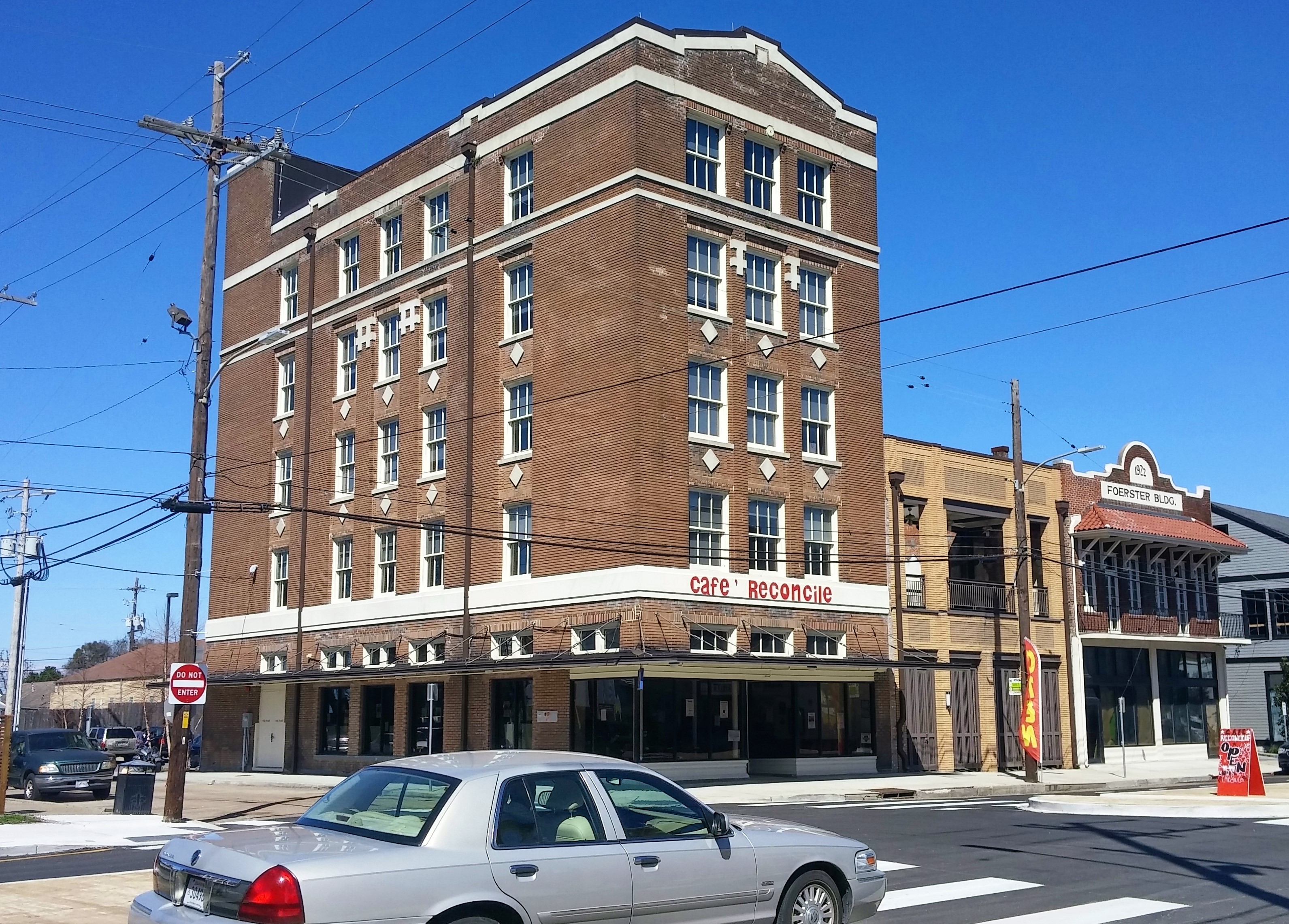
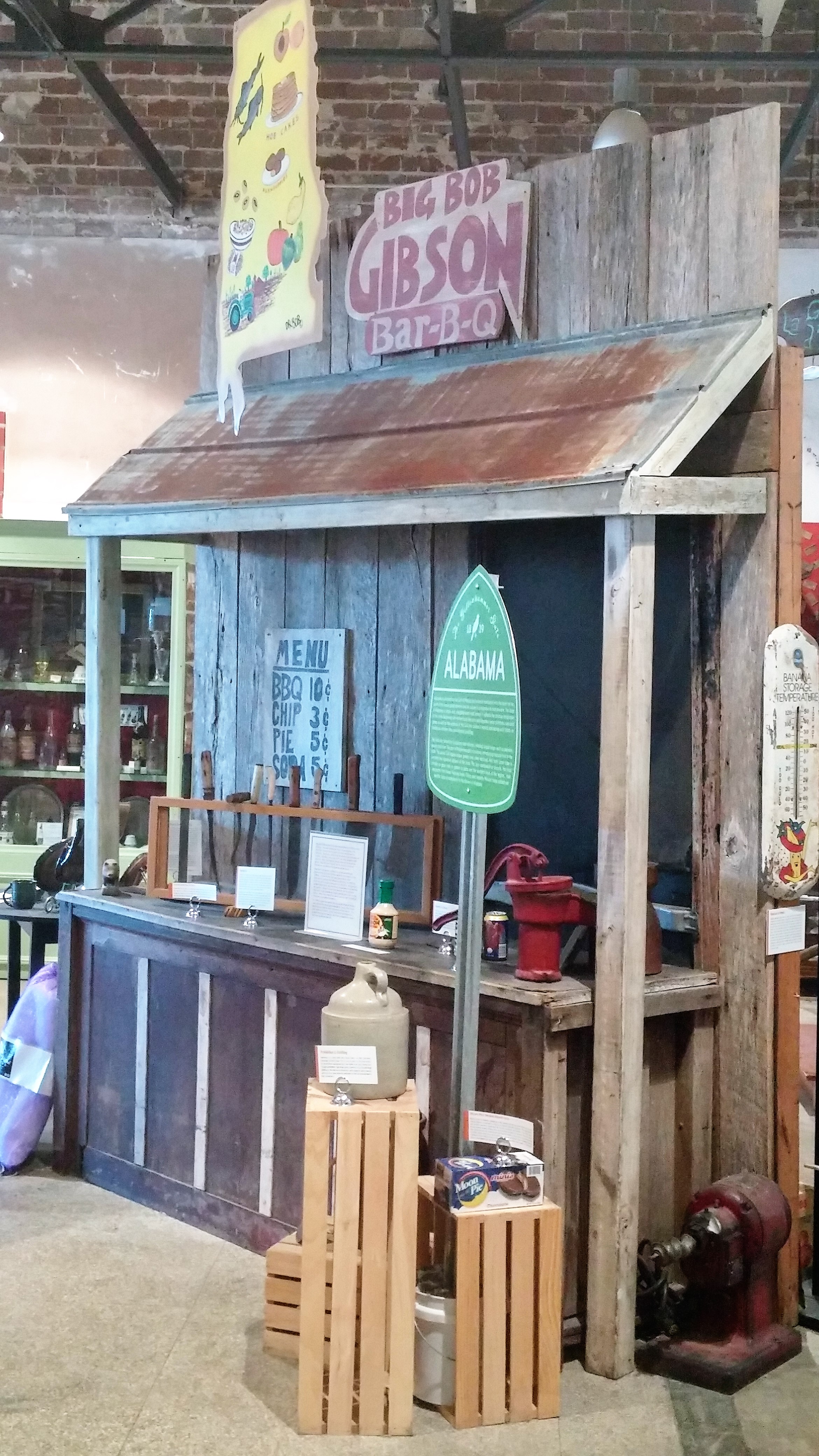
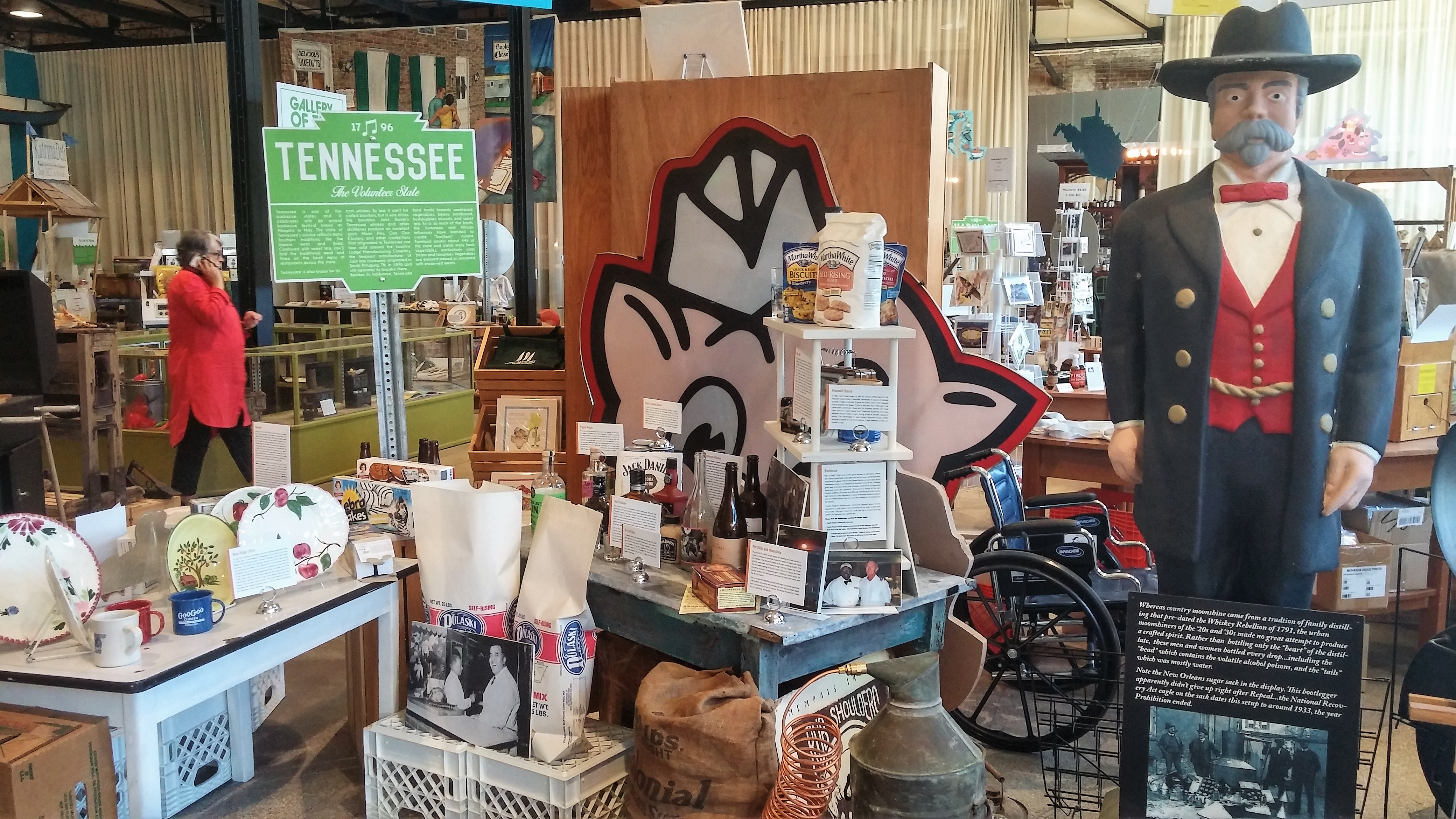
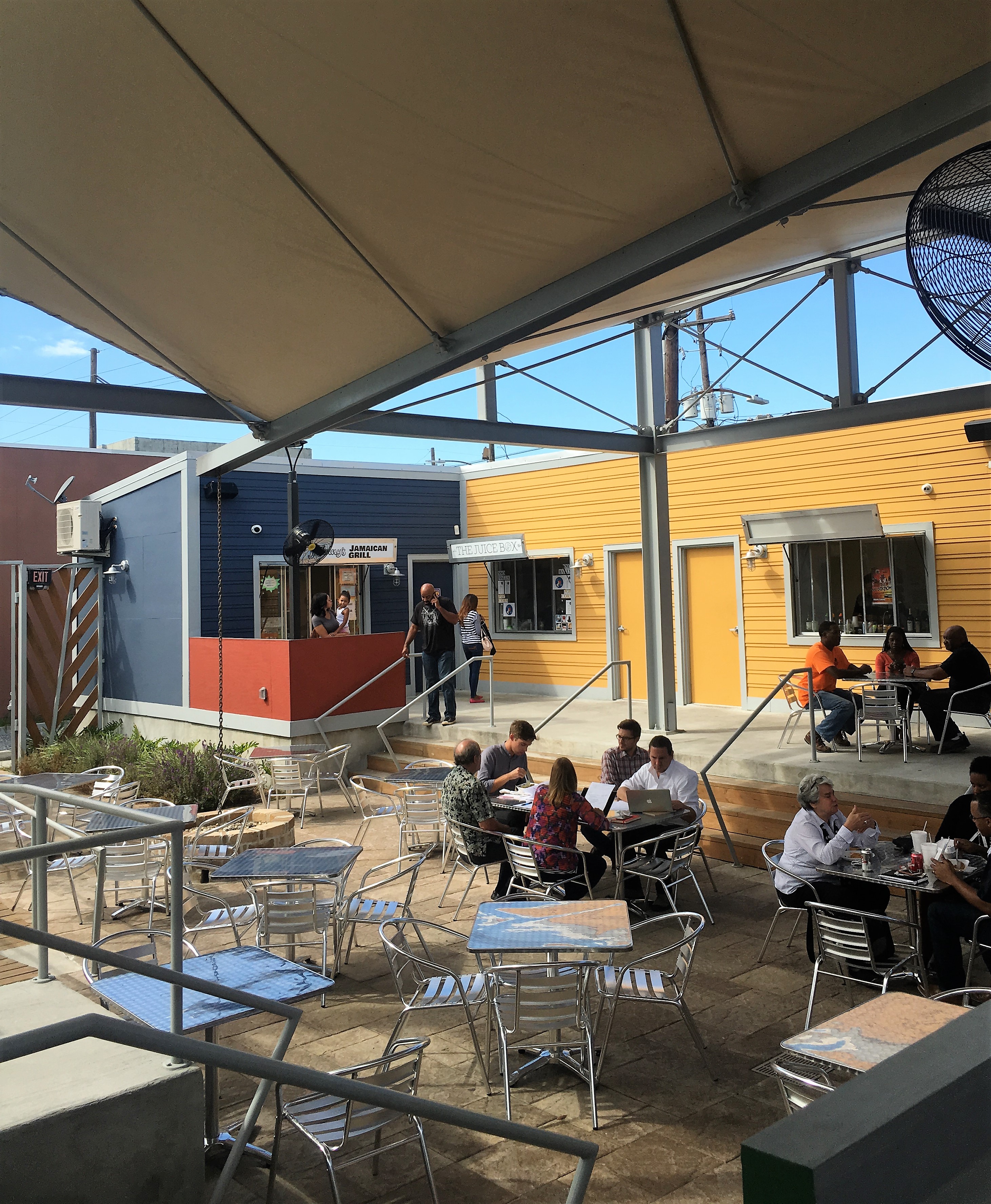
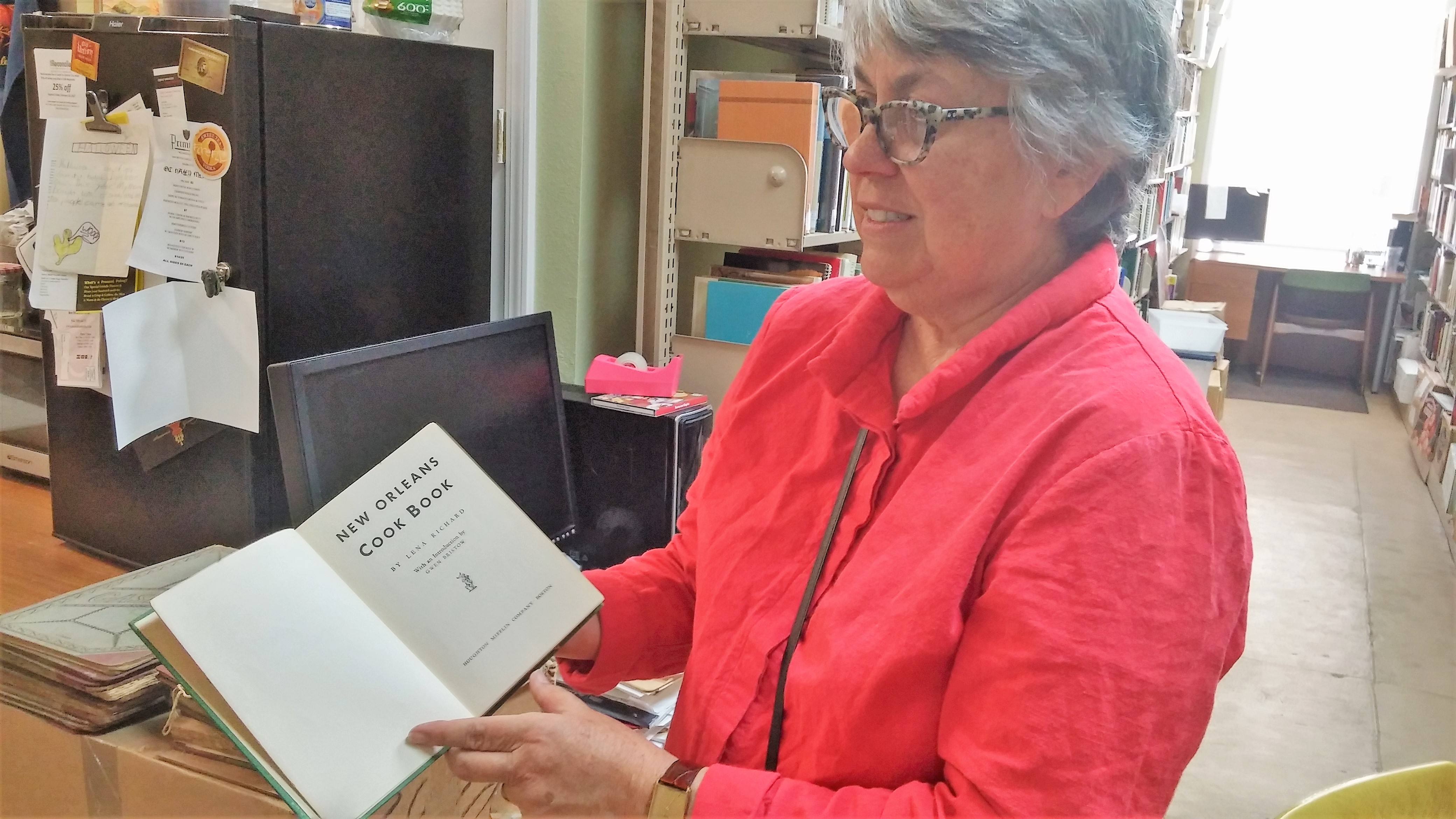
* Toups South, 1504 Oretha Castle Haley Blvd. Hours: 11 a.m.-10 p.m. Monday, Wednesday-Thursday, 11 a.m.-11 p.m. Friday-Saturday, 10 a.m.-3 p.m. Sunday (closed Tuesday).* Roux Carre, 2000 Oretha Castle Haley Blvd. Hours: 11 a.m.-4 p.m. Tuesday-Wednesday, 11 a.m.-8 p.m. Thursday-Saturday, 9 a.m.-4 p.m. Sunday.* Cafe Reconcile, 1631 Oretha Castle Haley Blvd. Hours: 11 a.m.-2:30 p.m. Monday-Friday.* John & Bonnie Boyd Hospitality & Culinary Library, 1611 Oretha Castle Haley Blvd. Hours: 11 a.m.-5 p.m. Monday-Friday.* Southern Food & Beverage Museum, 1504 Oretha Castle Haley Blvd. Hours: 11 a.m.-5:30 p.m. Monday, Wednesday-Sunday (closed Tuesday).Elsewhere along the boulevard* Primitivo, 1800 Oretha Castle Haley Blvd., boasts chefs Adolfo Garcia and Nick Martin, who put flame to fork with roasted and smoked meats. The campfire has come of age; just follow your nose. Hours: 3-10 p.m. Monday-Saturday.* Casa Borrega, 1719 Oretha Castle Haley Blvd., is a fiesta of Mexican favorites that mirror south-of-the-border street fare. Hours: 11 a.m.-9:30 p.m. Tuesday-Thursday, 11 a.m.-10:30 p.m. Friday-Saturday.
Now, the city has a new dining destination: Central City’s Oretha Castle Haley neighborhood. Acclaimed by locals, the neighborhood remains largely undiscovered by tourists and, until recently, was a place “you wouldn’t venture after dark,” admits chef Joe Smith, a New Orleans native.
Encompassing an area originally known as Dryades Street, the neighborhood has a checkered history. When segregation was still part of everyday life in New Orleans, the neighborhood flourished with African-American businesses. More recently, Dryades Street had become a haven for drug dealers and prostitutes.