
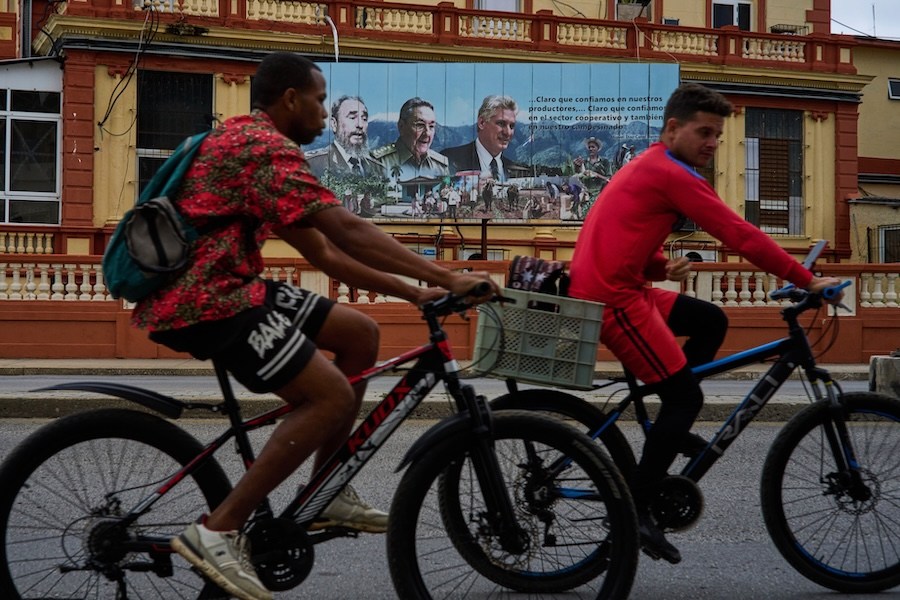
MIAMI (AP) — The Cuban Communist Party has shown an astonishing resilience over six decades in power.
Whether it’s the United States trade embargo to counter Fidel Castro’s 1959 revolution, or the widespread starvation of the “special period” that followed the breakup of its Cold War patron, the Soviet Union, both U.S. hostilities and calamities of its own making have proven no match for the country’s leadership.
But perhaps none of those crises pose as grave a threat as the one triggered by an all-but-declared naval siege by the Trump administration as it seeks to force regime change in the wake of its successful ousting of Cuba’s longtime ally Venezuelan President Nicolás Maduro.
Even as he fights a war with Iran, President Donald Trump this week said he believes he’ll have “the honor of taking Cuba” soon. While it wasn’t clear exactly what he meant, the U.S. is looking for President Miguel Díaz-Canel to leave power as part of ongoing talks with Havana that could avert some kind of U.S. military intervention.
Without declaring a formal blockade, Trump and his administration have already crippled trade with the island.