
Tuesday, November 10, 2026Nov 10

Trump is forcing coal plants to stay open. It could cost customers billions

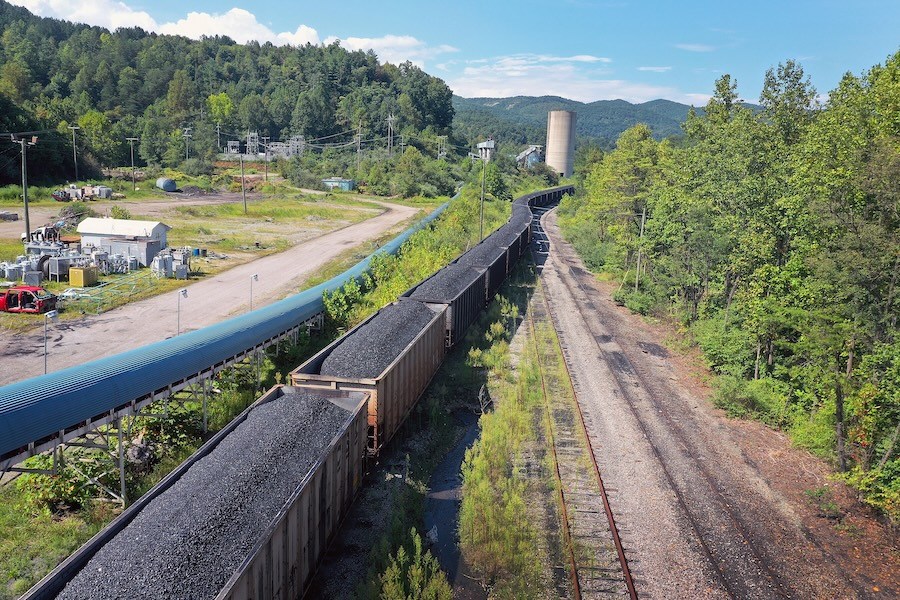
Train cars loaded with coal sit on the tracks at a Blackjewel mining operation on Aug. 22, 2019, in Cumberland, Kentucky. A group of coal miners blockaded the tracks and prevented the train from leaving the mine after Blackjewel filed for bankruptcy, ceased operation and payed the miners their final pay with bad checks. The shutdown left more than 300 miners in Harlan County with no jobs and owed payment for three weeks of work. They have vowed to continue their blockade of the tracks until they are paid their wages. The blockade, which is in its 25th day, has received a local and national outpouring of support. (Scott Olson/Getty Images/TNS)
Train cars loaded with coal sit on the tracks at a Blackjewel mining operation on Aug. 22, 2019, in Cumberland, Kentucky. A group of coal miners blockaded the tracks and prevented the train from leaving the mine after Blackjewel filed for bankruptcy, ceased operation and payed the miners their final pay with bad checks. The shutdown left more than 300 miners in Harlan County with no jobs and owed payment for three weeks of work. They have vowed to continue their blockade of the tracks until they are paid their wages. The blockade, which is in its 25th day, has received a local and national outpouring of support. (Scott Olson/Getty Images/TNS) Train cars loaded with coal sit on the tracks at a Blackjewel mining operation on Aug. 22, 2019, in Cumberland, Kentucky. A group of coal miners blockaded the tracks and prevented the train from leaving the mine after Blackjewel filed for bankruptcy, ceased operation and payed the miners their final pay with bad checks. The shutdown left more than 300 miners in Harlan County with no jobs and owed payment for three weeks of work. They have vowed to continue their blockade of the tracks until they are paid their wages. The blockade, which is in its 25th day, has received a local and national outpouring of support. (Scott Olson/Getty Images/TNS)

In an unprecedented use of federal authority, President Donald Trump’s administration has invoked emergency powers to force a series of retiring coal plants to stay open.

Utilities, states and grid operators have said the aging plants are expensive, in bad repair and no longer needed to meet regional energy needs. But Trump’s efforts to save the dwindling coal industry have forced plant operators to continue investing in the facilities — a move that some consumer advocates fear could mean billions of dollars in added costs for customers in dozens of states.

Trump has long positioned himself as a champion of coal, making it a centerpiece of his “energy dominance” agenda. The emergency orders issued by his administration claim that the grid is at risk of energy shortfalls, and the coal plants are needed to ensure a reliable power supply.

But state officials in many places affected by the orders say that’s not true.

“Rather than allowing the realities on the ground, the regulators and the utilities to make rational decisions about how to meet energy needs, we have the Trump administration trying to do Soviet-style central planning to push an ideological agenda that will drive costs to customers,” said Will Toor, executive director of the Colorado Energy Office.