
In discussions with senior Chinese officials over the years, the tone has always been the same: measured, courteous, almost studiously neutral. They never criticized the United States directly. Instead, they would ask a different question: Why should the global system continue to revolve around a single country?
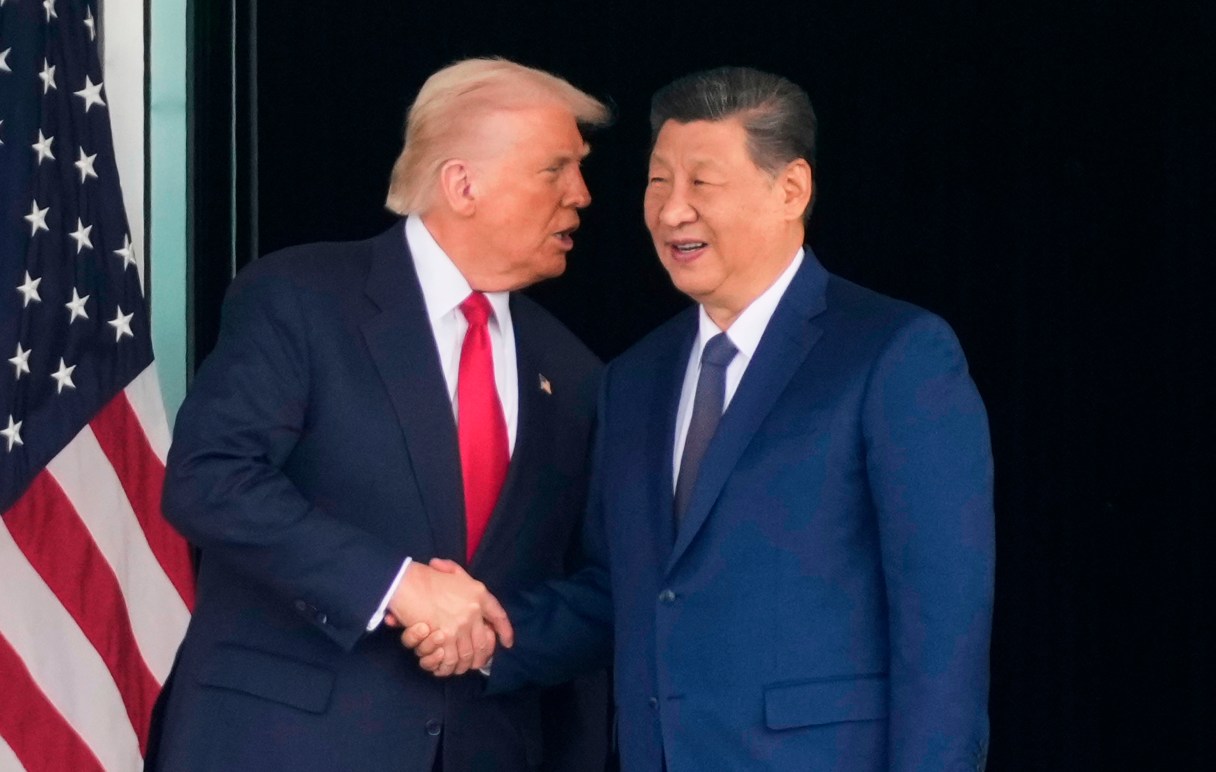
That’s why President Donald Trump’s meeting with President Xi Jinping carries more weight. The real question in Beijing isn’t whether America is failing. It’s whether the United States is still the country others organize around — or one they increasingly work around.
As China and others hedge against U.S. leadership, the perception of American drift can translate into higher costs, weaker alliances and a more uncertain global economy. The issue isn’t whether the U.S. is in decline. It’s whether the world starts behaving as if it is.
That view isn’t confined to Beijing. American influence has never rested on power alone — it depends on the belief that the U.S. is reliable and competent. That belief is eroding. Other governments will be less inclined to follow American leadership, at least for the foreseeable future.
From China’s vantage point, this crumbling isn’t framed as victory. It’s portrayed as a transition. Officials I’ve spoken with emphasize cooperation and competition, not confrontation. They point to China’s transformation — from a poor, largely agrarian society into the world’s second-largest economy — as proof that prosperity no longer has a single author.