
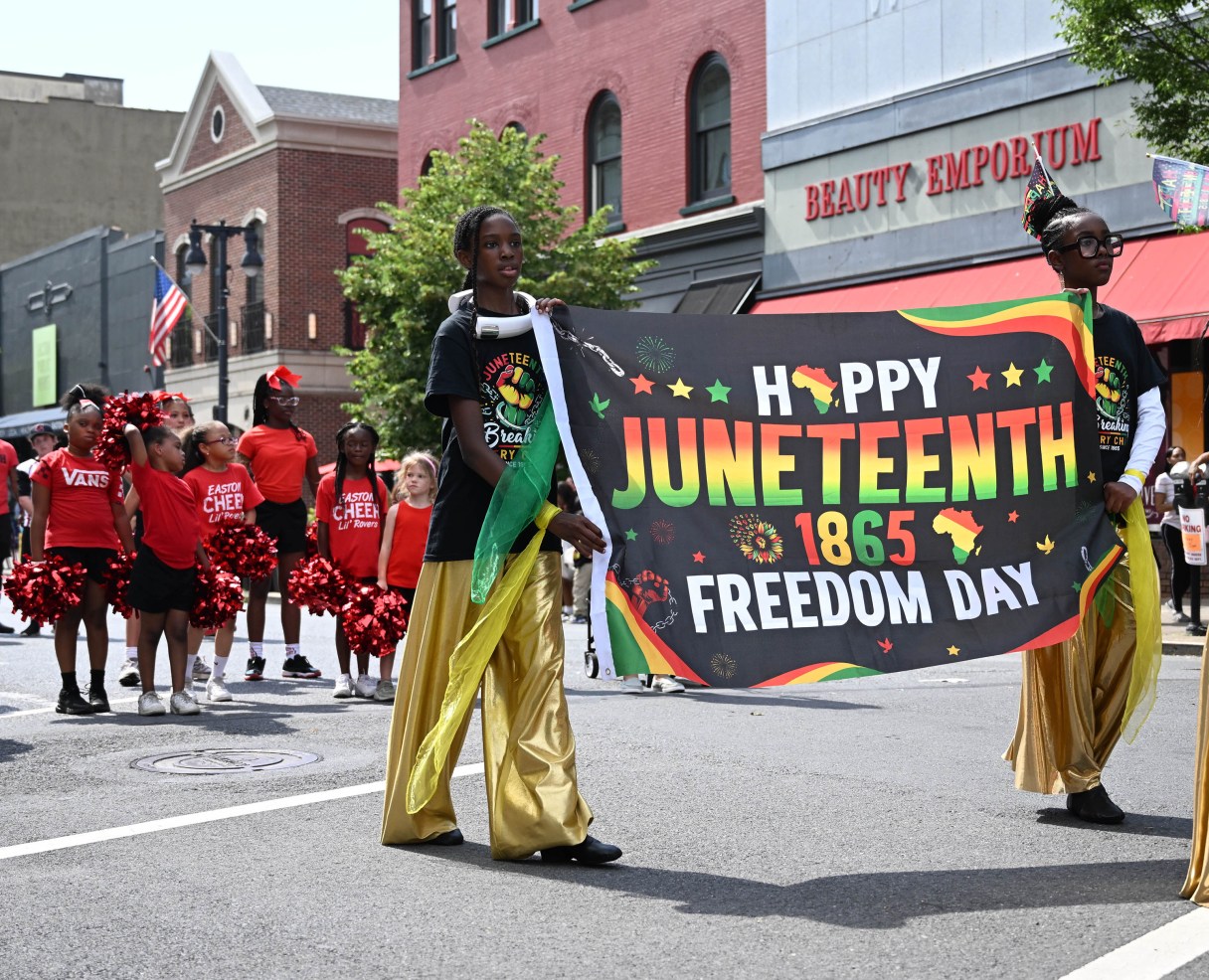
On June 19, 1865, enslaved people in Texas belatedly learned that they were free, an event commemorated as Juneteenth. It is a day for reflection, resilience and recognition of Black Americans’ fight for equality. But Juneteenth must also be a call to confront the policies that continue to shape racial inequities today.
One of the most powerful drivers of that inequity is our tax system. The rules that govern who pays, who benefits and how governments raise revenue are deeply intertwined with the nation’s history of racial exclusion. And today, those rules continue to disadvantage Black households in ways that echo past injustices.
Consider the current moment. States across the country are deciding whether to align their tax codes with recent federal tax changes from President Donald Trump’s “One Big Beautiful Bill Act” through an approach known as conformity.
These decisions, often framed as administrative or budgetary, carry real racial equity consequences. When states conform, they are effectively doubling down on policies that transfer wealth away from low- and moderate-income families, and away from Black communities.
At the same time, many states are grappling with reduced federal support for essential programs including Medicaid and nutrition assistance (SNAP). These are lifelines for millions, including a disproportionate share of Black households.