
I hate to be the one to tell you this, dear readers, but it is not quite summer yet.
As most of you know, the season of summer does not start until June 21, and more specifically, at 4:24 am. This all has to do with Earth’s tilt and the sun’s position, I am told. I’m sure you know this; it was in all the papers.
This is the astronomical date for the start of summer, you understand. The meteorological date for the start of summer is June 1. I’m not sure about that whole meteorological thing, but it has something to do with those who deal with climatology (I think that is a word) in that they want to align the seasons with the calendar year for better record keeping.
OK, got all that? We are going to go with the traditional June 21 date, so get that coffee warmed up and maybe a refill on your bowl of Wheaties as we continue this lecture.
(READ MORE: Summer no time for slacking in great outdoors)
Even if you are of an advanced age (like me), I wonder if you can remember the sheer joy of summer coming and being released from the bondage of the public school system. You looked forward to this time more than any other (with the possible exception of the first day of squirrel season or the start of trout season, when we had one).
In our youthful naivety and innocence, we really thought this was the best time of our lives, and maybe it was. Free as the birds, we would roam the woods, the rivers and lakes, mostly doing exactly as we pleased. For a kid, it was heaven on Earth, and we thought it would last forever. Of course it didn’t, and we had to grow up and face the drudgery of becoming an adult.
(READ MORE: Muddy memories of Dad at the creek are clear in my mind)
So as usual, your faithful outdoors scribe is trying to help. I am proposing some ways to not only make your summer a more pleasant time but also to prepare you so when fall comes you can get down to the business of hunting.
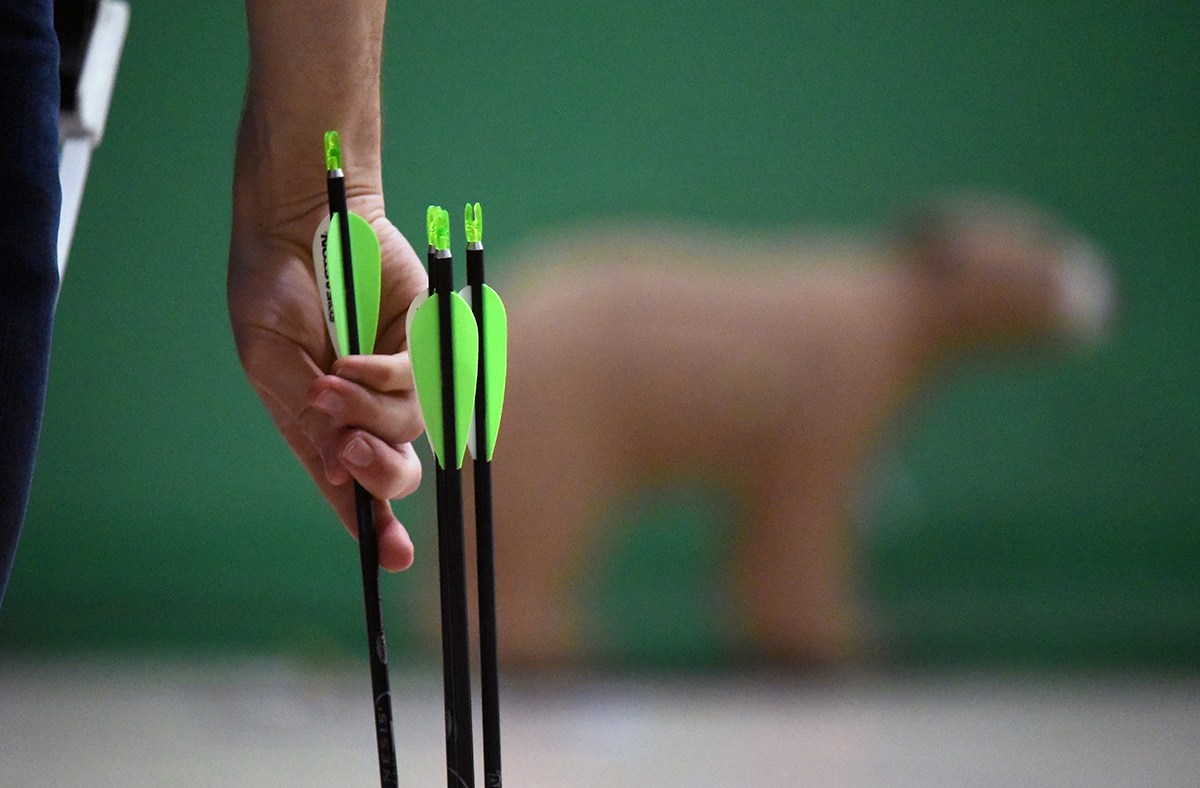
Here’s the first step: Shoot that bow all summer.
Now I know how serious some of you are about your bow hunting. I know some of you need no prompting about practicing with your bow and being in shape when archery season rolls around.
I also know some of you are not so dedicated. The first cold snap will happen in early September, and you will grab your bow out of the garage, run out in the backyard and start to fling some arrows at a dilapidated archery target. In doing so, you may discover a frayed cable string or broken pin on your bow sight. This has you running to the bow shop for repairs, where you find your bow tech guy is now up to his pointy little ears in bow repairs. Just like you, several other hunters have waited till the last minute for a bow fix.
The solution is easy: Start now on your bow practice and maintenance. Make it part of your routine. Whenever possible, when you get home from work, grab the bow and go fling some arrows. Now I just said fling, but that is not what I want to portray here. In talking to serious bow hunters, I think you want to focus on making some concentrated, high-quality shots every day or two. Think about five or six serious shots every evening instead of 25 or 30 frantic shots on Saturday and Sunday.
Work on your stance, your sight picture and your release. If you are unsure about any aspect of the shot, seek help from a qualified archery mentor.
When you start shooting, you are obviously going to inspect your equipment for any flaws. First, you’ll look at your string and cables on a compound bow for any sign of cuts or fraying. Check all your sights, pins, arrow rests and stabilizers, making sure everything is tight and aligned. Next, give attention to the arrows as you check on your field points versus your broadheads you will hunt with. We all know they do not fly the same or have the same point of impact.
I am told a resistance band to simulate the drawing motion can keep you in shape when you can’t shoot all the time. Kind of on that note, is the draw weight on your compound bow set at a realistic level? You don’t need the poundage set so you could hunt Cape buffalo if you’re going to shoot whitetail deer. Do you have it set higher from peer pressure, or do you think you should just be shooting extreme levels of poundage? Back the draw weight off on your bow and see how much easier it is to draw and hold for a shot — and note how much your accuracy improves.
I will do just a quick sidebar here. Have you taken a look at the newest innovative option in the archery and tree stand world? The “saddle” basically consists of a saddle-like seat the hunter sits in, used with ropes that keep you suspended off the ground. Most setups include a small pedestal to place your feet and maybe some climbing sticks to get up in the tree. Proponents of the saddle system talk about the light weight, versatility and mobility of the saddle system.
If you are interested, now is the time to start exploring this option for chasing big bucks. Latitude Outdoors is a great place to start as they have several saddle stands to choose from. We will explore the saddle stand option in more depth as we get closer to fall, so stay tuned.
Experienced bow hunters know I have not even made a big scratch on the things you need to practice and think about for a successful archery experience. Try to simulate realistic angles for hunting from off the ground by shooting from your deck into the backyard or, if possible, setting up one of your tree stands. If you are a spot-and-stalk guy (or girl), practice different positions — sitting, kneeling, etc.
Use different targets to change it up. Spot targets with bull’s-eyes are good for precision, but after that, change to a three-dimensional animal target. Picking out a precise spot on the target is a good way to practice for the real thing. If you’re in need, Morrel Targets has a good selection to choose from.
Well, you have your assignment, so get to it. I don’t mean to ruin your summer; in fact, it may make it better. And now and then, feel free to take a few days off from archery practice to go wade fishing.
Just bring me some fish filets and your recipe for hush puppies.
“Guns & Cornbread” is written by Larry Case, who lives in Fayette County, W.Va. You can write to him at larryocase3@gmail.com.