
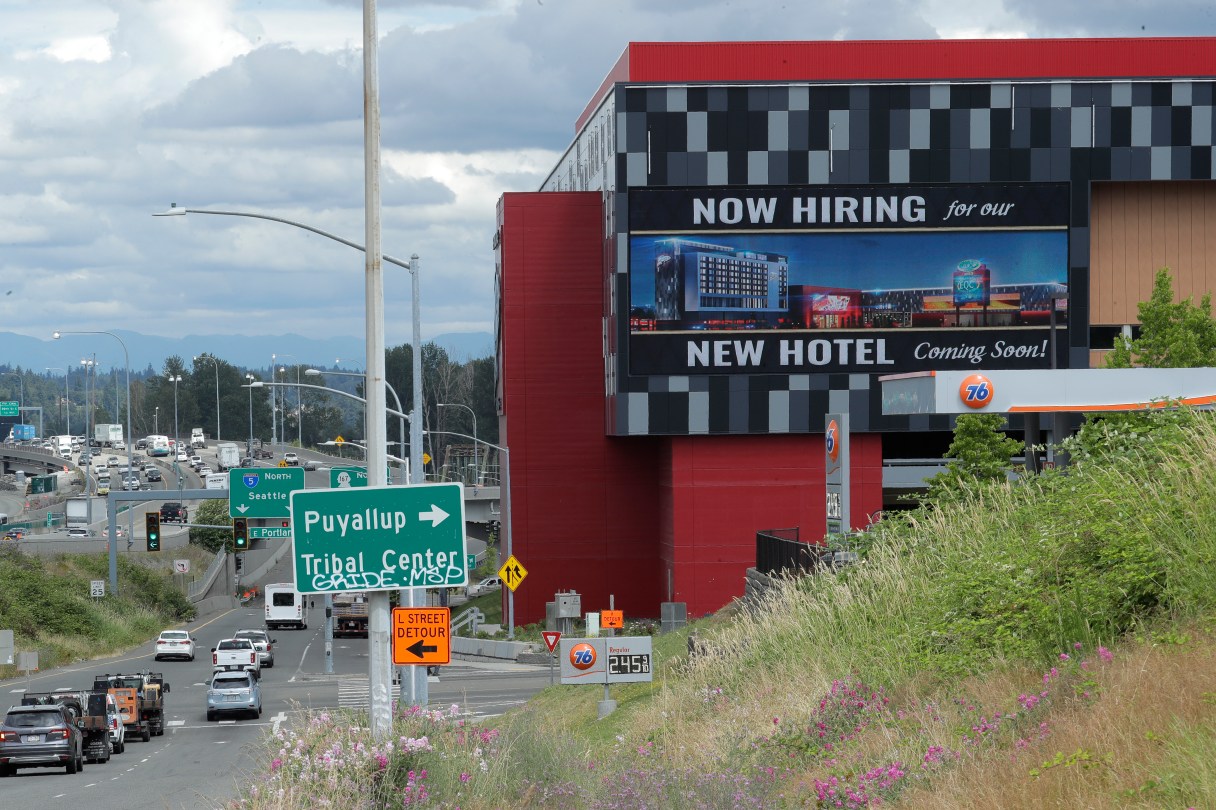
WASHINGTON (AP) – U.S. hiring slowed in July as the coronavirus outbreak worsened, and the government’s jobs report offered signs Friday that the economic damage from the pandemic could last far longer than many observers originally envisioned.
The United States added 1.8 million jobs in July, a pullback from the previous two months. At any other time, hiring at that level would be seen as a blowout gain. But after employers shed a staggering 22 million jobs in March and April, much larger increases are needed to heal the job market. The hiring of the past three months has recovered 42% of the jobs lost to the pandemic-induced recession, according to the Labor Department’s report.
Though the unemployment rate fell last month from 11.1% to 10.2%, that level still exceeds the highest rate during the 2008-2009 Great Recession.
Roughly half the job gains were in the industries hit hardest by the virus: restaurants, retail shops, bars, hotels and entertainment venues such as casinos. Those jobs have been relatively quick to return after the broadest shutdowns ended in May and June.
But economists worry that the next leg of job growth will be harder to achieve, particularly as the virus dampens confidence, leaving much of the country only partially reopened, most travel on hold and millions of employees working from home. The number of people unemployed for longer than 15 weeks jumped in July to more than 6 million, a sign many of the unemployed will have to find work at new companies or even in new occupations, a potentially lengthy process.