
Q: I have a strong family history of breast cancer. Should I consider preventive surgery?
A: A family history of breast cancer can understandably raise concerns about your own risk. In recent years, advances in genetic testing have made it easier and more affordable to identify inherited mutations that increase risk of breast cancer. There are around 10 genes that increase breast cancer risk, and depending on which gene, it can significantly increase the likelihood of developing breast as well as other cancers.
For some women at very high risk, preventive (risk-reducing) surgery, including bilateral mastectomy, may be an option. Studies have shown that this approach can lower the risk of developing breast cancer by as much as 90% to 95%. Improved reconstructive techniques have also given women more choices than ever before.
But surgery is not the only option, and it is not the right choice for everyone. Many women choose a less invasive approach that may include clinical breast exams every six months, annual mammograms and breast MRI or ultrasound screenings, or medications that can help reduce cancer risk. These strategies allow for close monitoring while avoiding major surgery.
The decision is highly personal and depends on several factors, including your age, family history, genetic test results, overall health and future plans. For example, preventive mastectomy is a major operation and may affect breastfeeding, body image and quality of life considerations that are unique to each patient.
If you have multiple relatives with breast, ovarian, pancreatic cancer or melanoma; were diagnosed with breast cancer at a young age; or have concerns about your family history, talk with your physician about whether genetic counseling and testing may be appropriate. A genetic counselor and/or breast specialist can help you understand your individual risk and discuss all available options.
The most important thing to remember is that there is no single “best” answer. Whether you choose enhanced screening, medication, surgery or another approach, the goal is the same: making an informed decision that fits your medical needs and personal values.
______
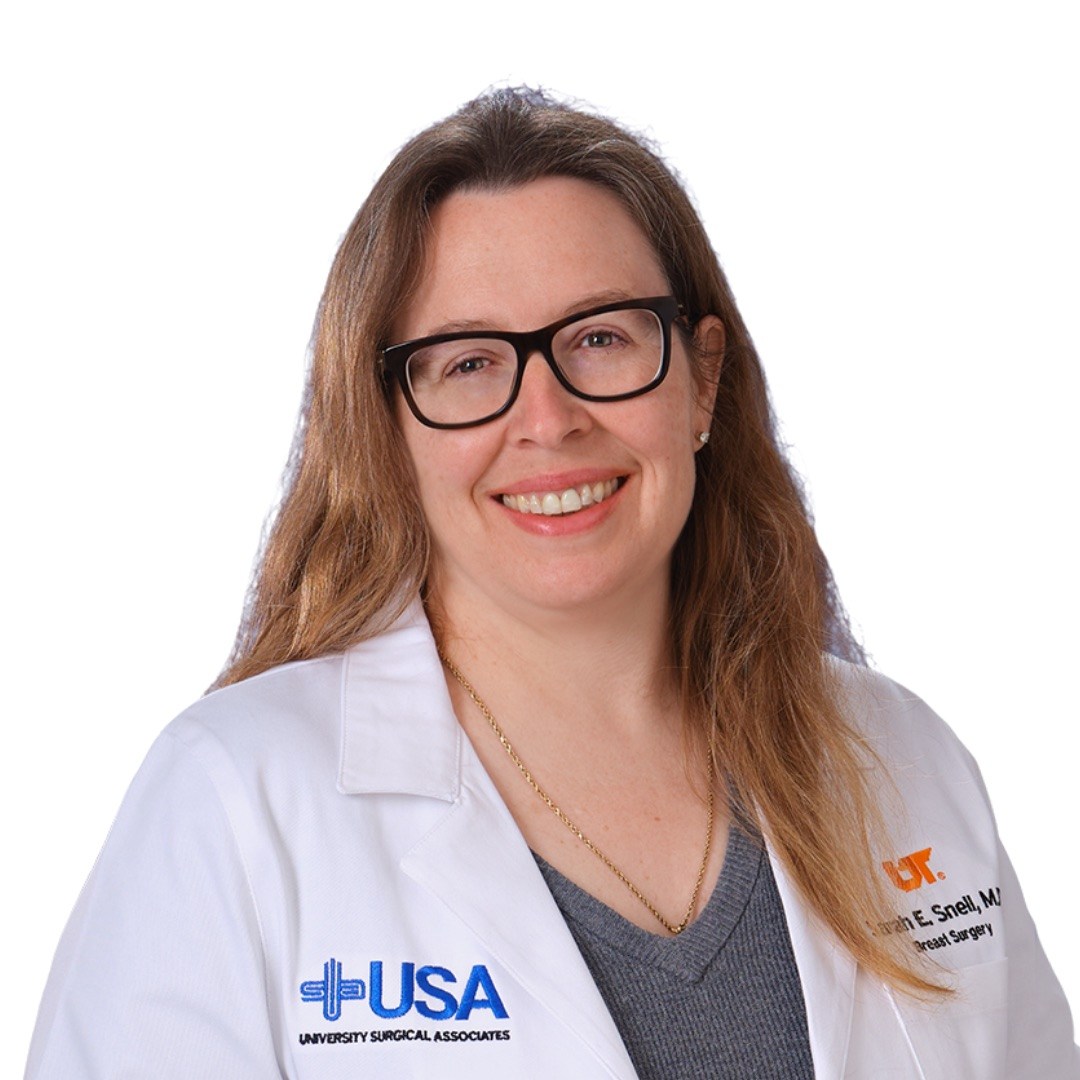
Dr. Beth Snell is a breast surgeon with University Surgical Associates and a member of the Chattanooga-Hamilton County Medical Society.