
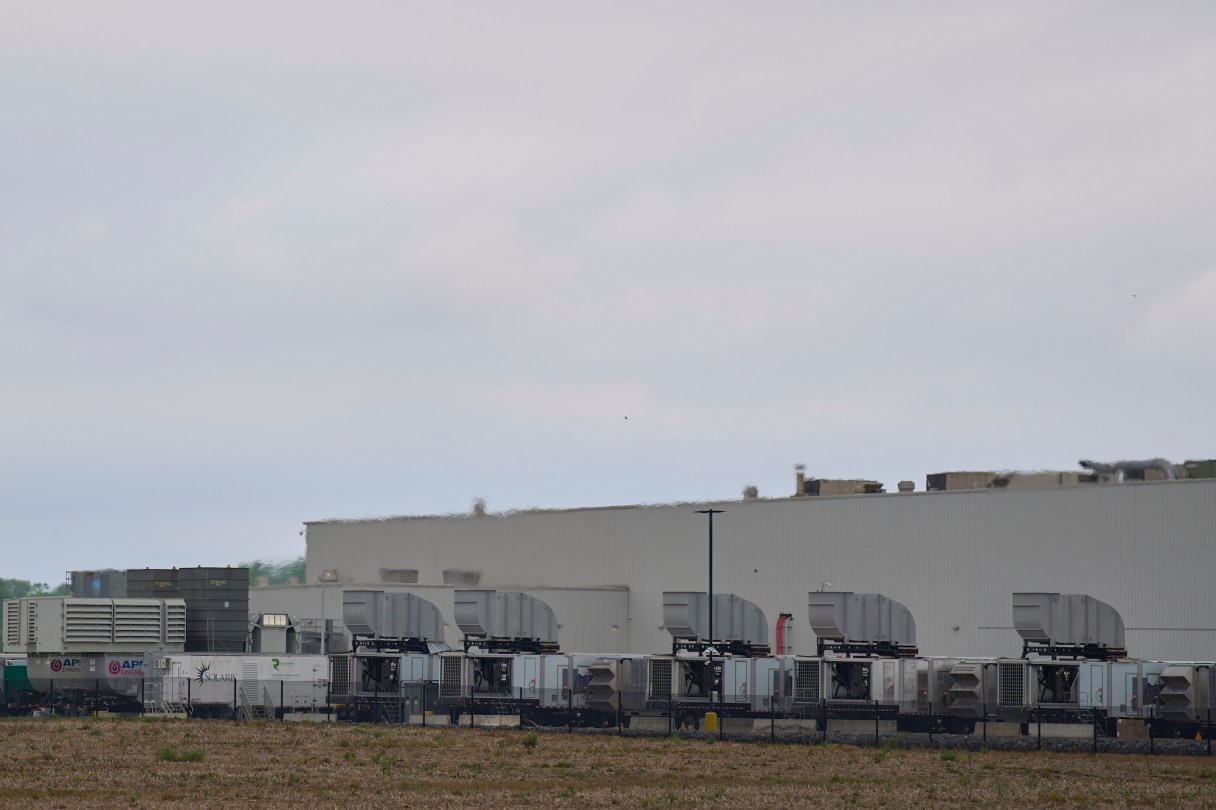
It doesn’t seem that long ago when the idea of a data center meant a few shrugged shoulders, a couple of confused looks and at best a few questions along the line of: “What is a data center?” It turns out what we call data centers aren’t new. They were originally called Electric Numerical Integrator and Computers. In 1945, they weighed 27 tons, occupied 300 square feet of space and used punch cards for data storage.
Then, throughout the 1960s, these behemoths became more efficient, took up less room and started storing information in memory, and IT was developed to run various systems. From the 1980s through the ’90s, computers became smaller and faster, personal computers entered homes, and during the “dot com boom,” the first data centers emerged, housing hundreds and then thousands of servers.
Jumping forward to 2012, 38% of organizations were using cloud services. Cloud service providers needed data centers, and since then, more and more of those digital warehouses have been built. Alas, a computer engineer will probably disagree with my terminology, but I think of data centers as where my 6,500 iPhone photos, my 342 audiobooks, my Amazon movies and my emails are “warehoused.”
Then, in mid-2024, a disdain for data centers became the one thing that could bring rural, suburban and urban dwellers together. The one thing that Democrats and Republicans, folks who love the president and folks who love AOC, and just about all of our races can agree on is that we all seem to hate data centers. And we all share our disdain, fears and loathing for these large ugly facilities on social media, which utilize data centers.
Data centers use a lot of electricity, are terribly ugly, and depending on where they are built, use a great deal of water. The largest data centers can use up to 450,000 gallons a day. Neighbors complain of incessant noise, vibrations and the noxious fumes produced by massive diesel generators used for backup power. They are like oil refineries: We all know they must exist, but perhaps just out of our field of view.