
Everyone knows California’s Yosemite National Park. The majestic El Capitan, shown through Ansel Adams’ famous black and whites, is imprinted in our minds. It was the third park protected in 1890, and likely graces many outdoor enthusiasts’ bucket lists.
But in the adventurous spirit of Get Out, we’re highlighting California’s other National Parks, showcasing the different climates, environments and locales of the great “Golden State.” These parks will take you to the forest, the mountains, the coast and even deep into the desert. Turns out, California is a pretty diverse state-definitely worth the cross-country trek.
Kings Canyon National Park
Next to Sequoia National Park
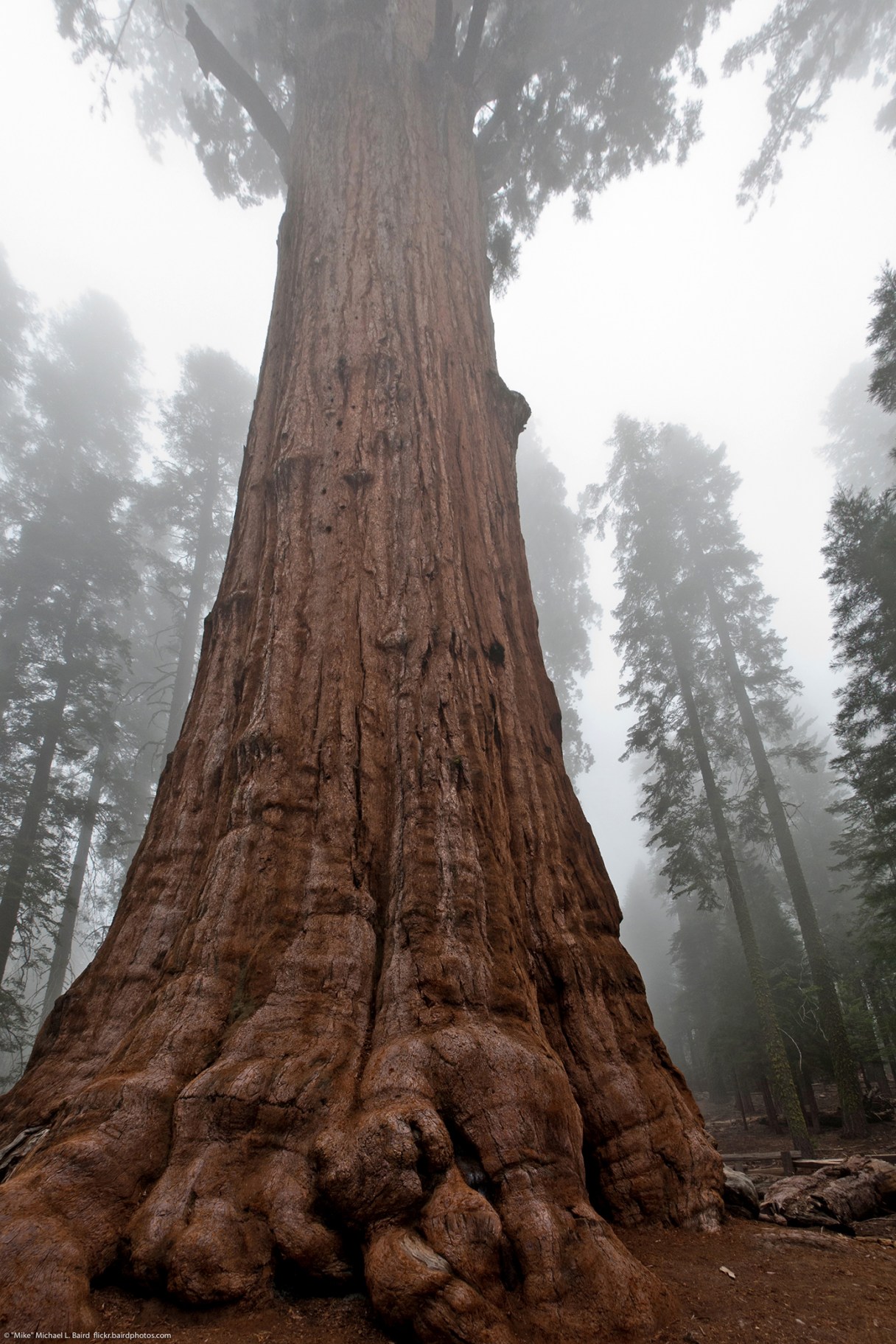
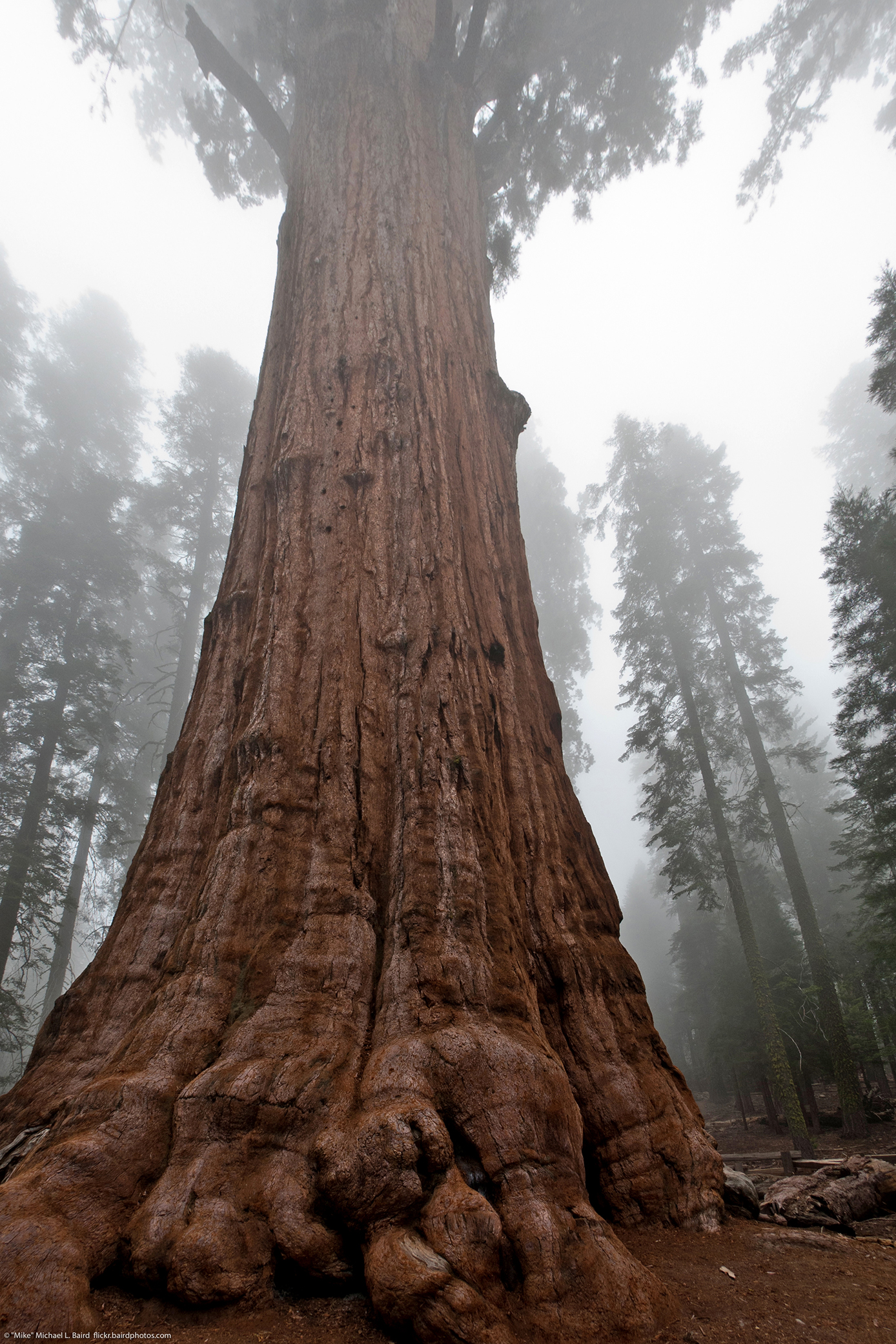
This National Park gets to share its space with famed Sequoia National Park in central Cali, but it’s no slight to the beauty the large expanse has to offer. Mountains, rivers and meadows are preserved in this deep wilderness, and by May, nature will be shining on full display. Access to Sequoia is easy, so make time to see Crystal Caves, open beginning in May for the summer months, and to see the General Sherman, the world’s largest tree.
If you’re looking for the ultimate backpacking experience, look no further. Kings Canyon features a large back country area and access to some of the deep forests through overnight backpacking permits. Ever wonder what it’s like to camp among the ancient, giant trees? Here’s your chance.
Channel Islands National Park
San Miguel, Santa Rosa, Santa Cruz, Anacapa and Santa Barbara-all west of L.A.
You can reach one of the five islands of this National Park by boarding an Island Packer in Ventura, California. Though a short ride away from the city, these islands are remote and isolated in nature, making Channel Islands a must visit if you’re in the area.
While water sports of all kinds are popular on the islands and in the waters, kayaking through Channel Island’s sea caves is not to be missed. Scorpion Beach on Santa Cruz will give you the best option, featuring sea caves, wildlife and beach accessibility for a day’s worth of fun.
Just make sure you pack your bags with anything you may want or need on your journey; nothing is available on the island for purchase.
Joshua Tree National Park
West of Palm Springs, CA.
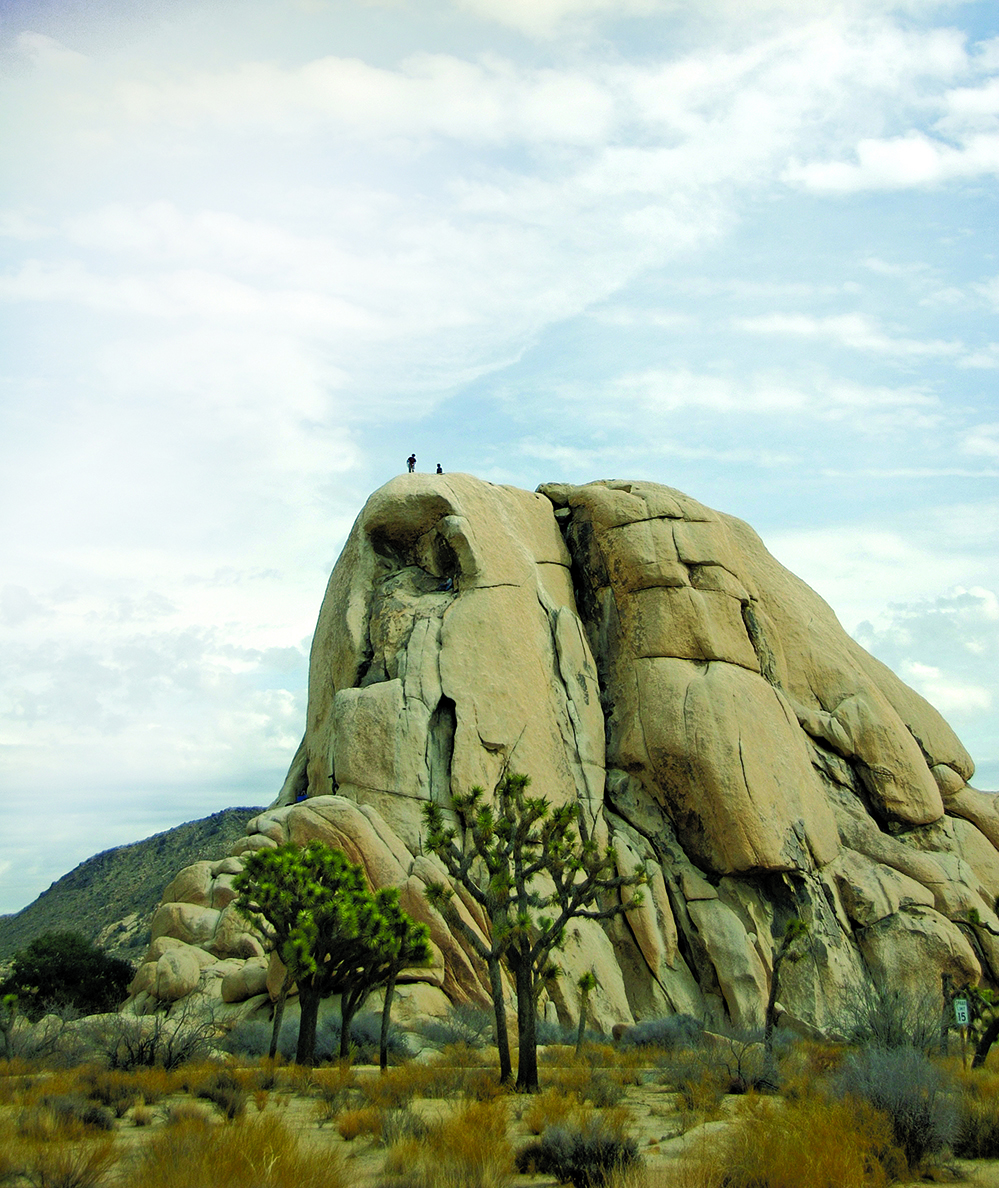
Named for the native Yucca brevifolia trees, this Rhode Island-sized park spans parts of two deserts, the Mojave and the Colorado. During the late spring, grab some rock throughout the park at well-known boulders like the White Rastafarian or hike along Indian Cove Trail. You can also try hiking from Key’s View to Inspiration Peak for an even grander vista. The view from Keys View on a clear day will give you visibility south into Mexico. But make sure you pack plenty of water in a Camelbak- after all, you are in the desert.
Pinnacles National Park
Southeast-ish of Monterey, CA.
You have likely seen photos of Pinnacles National Park, of large boulders suspended above a trail wedged between a canyon. Rocks jutting from the ground are kinda Pinnacles’ thing, you see, as the name suggests. The park features crags and monoliths left over from a volcanic field. Sure you can rock climb, but have you considered checking out some caves?
Pinnacle’s Balconies Cave will remain open year round, but Bear Gulch Cave will close for two months in mid- May in order to give the Townsend’s big-eared bats an opportunity to raise their young. Got a whole day? Hike from the Pinnacles Visitor Center to the Balconies Cave and then return on the Balconies Cliff Trails for the views. Pack your flashlight or head lamp for the caves, as well as anything else you might need for the day.
Death Valley National Park
Bordering Nevada north of L.A.
How hot do you think it gets in Death Valley? Well, temps can max out at 130 F, but some say it gets far too hot to visit in the late spring. Being the Southerners we are, we can handle the heat in May, but wait until the fall or winter if you’re begging for sweet relief from our average summer temperatures.
Aside from hiking and four-wheel drives through the desert and ogling the sand dunes, there are actually hundreds of miles of mountain biking trails waiting for you in Death Valley. Try the Titus Canyon Trail for some downhill time if you’re really adventurous or the Hole-in-the-wall if you’re looking for something a little less strenuous.
This should go without saying, but don’t dare try to enter DeathValley without copious amounts of water. Death Valley is the nation’s hottest, driest and lowest place, and as its name suggests, it gets deadly hot there.
Don’t miss these other National Parks:
Redwood National Park
Northern California park preserving half of the world’s remaining tallest trees on Earth.
Sequoia National Park
Adjoining Kings Canyon and adding onto the expanse of giant Sequoias, this park is full of day hikes and ancient trees.
Lassen Volcanic National Park
A park of hydrothermal features like fumaroles and boiling pools, all heated by molten rock underneath the peak of the volcanoes.
Yosemite National Park
Absolutely a stunning place to spend a day or two, or week. Seek out El Capitan and hike to Yosemite Falls, the tallest waterfall in America.