
Thursday, November 12, 2026Nov 12

Black Texas inmate seems likely to win at Supreme Court

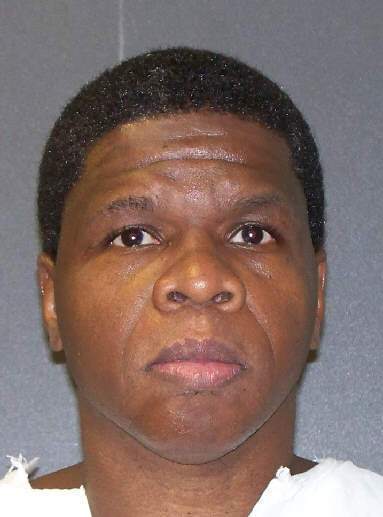
This undated photo provided by the Texas Department of Criminal Justice shows death row inmate Duane Buck. Nearly two decades after a Texas jury sent Buck to death row for killing two people, including his ex-girlfriend, the U.S. Supreme Court is being asked to look for a third time at whether the his sentence improperly was tainted by testimony and evidence referring to his black race.  (Texas Department of Criminal Justice via AP)
This undated photo provided by the Texas Department of Criminal Justice shows death row inmate Duane Buck. Nearly two decades after a Texas jury sent Buck to death row for killing two people, including his ex-girlfriend, the U.S. Supreme Court is being asked to look for a third time at whether the his sentence improperly was tainted by testimony and evidence referring to his black race. (Texas Department of Criminal Justice via AP) This undated photo provided by the Texas Department of Criminal Justice shows death row inmate Duane Buck. Nearly two decades after a Texas jury sent Buck to death row for killing two people, including his ex-girlfriend, the U.S. Supreme Court is being asked to look for a third time at whether the his sentence improperly was tainted by testimony and evidence referring to his black race. (Texas Department of Criminal Justice via AP)

WASHINGTON (AP) – The Supreme Court is strongly indicating it will side with a black Texas prison inmate who argues improper testimony about his race tainted his death sentence.

Conservative and liberal justices alike agreed Wednesday that inmate Duane Buck is entitled to a new court hearing.

The only issue in arguments at the high court appeared to be whether to throw out Buck’s sentence altogether and order a new punishment hearing. The court also could merely instruct lower courts to decide whether the death sentence can stand.

Buck has been trying for years to get federal courts to look at his claim that his rights were violated when jurors were told by a defense expert witness that Buck was more likely to be dangerous in the future because he is black.