
Thursday, October 29, 2026Oct 29

This story is free to read.

Facebook, Google face widening crackdown over online content

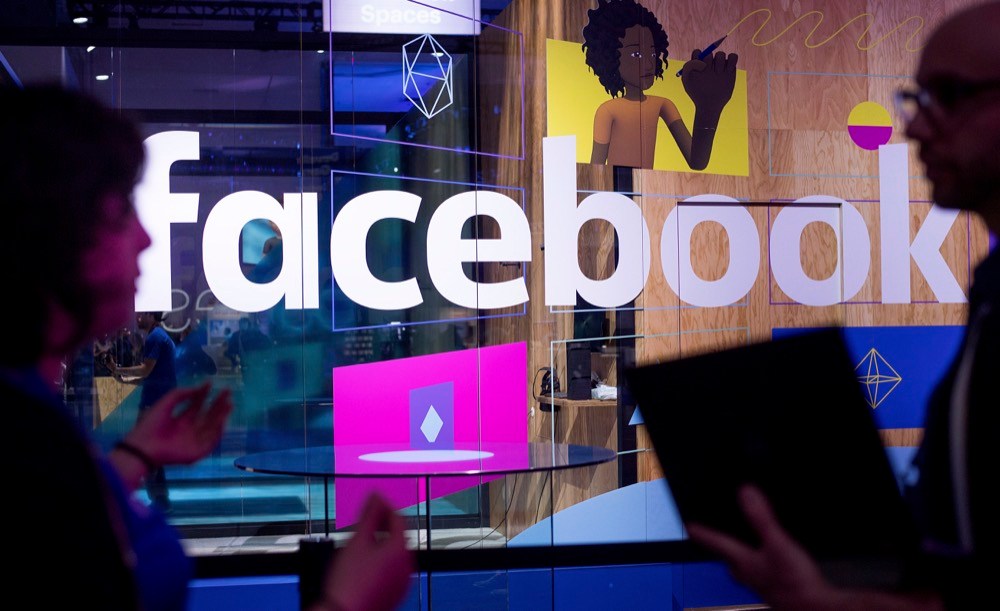
FILE - In this April 18, 2017 file photo, conference workers speak in front of a demo booth at Facebook's annual F8 developer conference, in San Jose, Calif. The U.K. for the first time on Monday April 8, 2019, proposed direct regulation of social media companies, with senior executives potentially facing fines if they fail to block damaging content such as terrorist propaganda or images of child abuse. (AP Photo/Noah Berger, File)
FILE - In this April 18, 2017 file photo, conference workers speak in front of a demo booth at Facebook's annual F8 developer conference, in San Jose, Calif. The U.K. for the first time on Monday April 8, 2019, proposed direct regulation of social media companies, with senior executives potentially facing fines if they fail to block damaging content such as terrorist propaganda or images of child abuse. (AP Photo/Noah Berger, File) FILE - In this April 18, 2017 file photo, conference workers speak in front of a demo booth at Facebook's annual F8 developer conference, in San Jose, Calif. The U.K. for the first time on Monday April 8, 2019, proposed direct regulation of social media companies, with senior executives potentially facing fines if they fail to block damaging content such as terrorist propaganda or images of child abuse. (AP Photo/Noah Berger, File)

LONDON (AP) – Tech giants like Facebook and Google came under increasing pressure in Europe on Monday when countries proposed stricter rules to force them to block extreme material such as terrorist propaganda and child porn.

Britain called for a first-of-its-kind watchdog for social media that could fine executives and even ban companies. And a European Union parliamentary committee approved a bill giving internet companies an hour to remove terror-related material or face fines that could reach into the billions.

“We are forcing these firms to clean up their act once and for all,” said British Home Secretary Sajid Javid, whose department collaborated on Britain’s proposal.

Opponents warned the British and EU measures could stifle innovation and strengthen the dominance of technology giants because smaller companies won’t have the money to comply. That, in turn, could turn Google and Facebook into the web’s censors, they said.

The push to make the big companies responsible for the torrent of material they carry has largely been driven by Europeans. But it picked up momentum after the March 15 mosque shootings in New Zealand that killed 50 people and were livestreamed for 17 minutes. Facebook said it removed 1.5 million videos of the attacks in the 24 hours afterward.