
Monday, November 9, 2026Nov 9

Most of Hawaii’s coral recover from mass bleaching

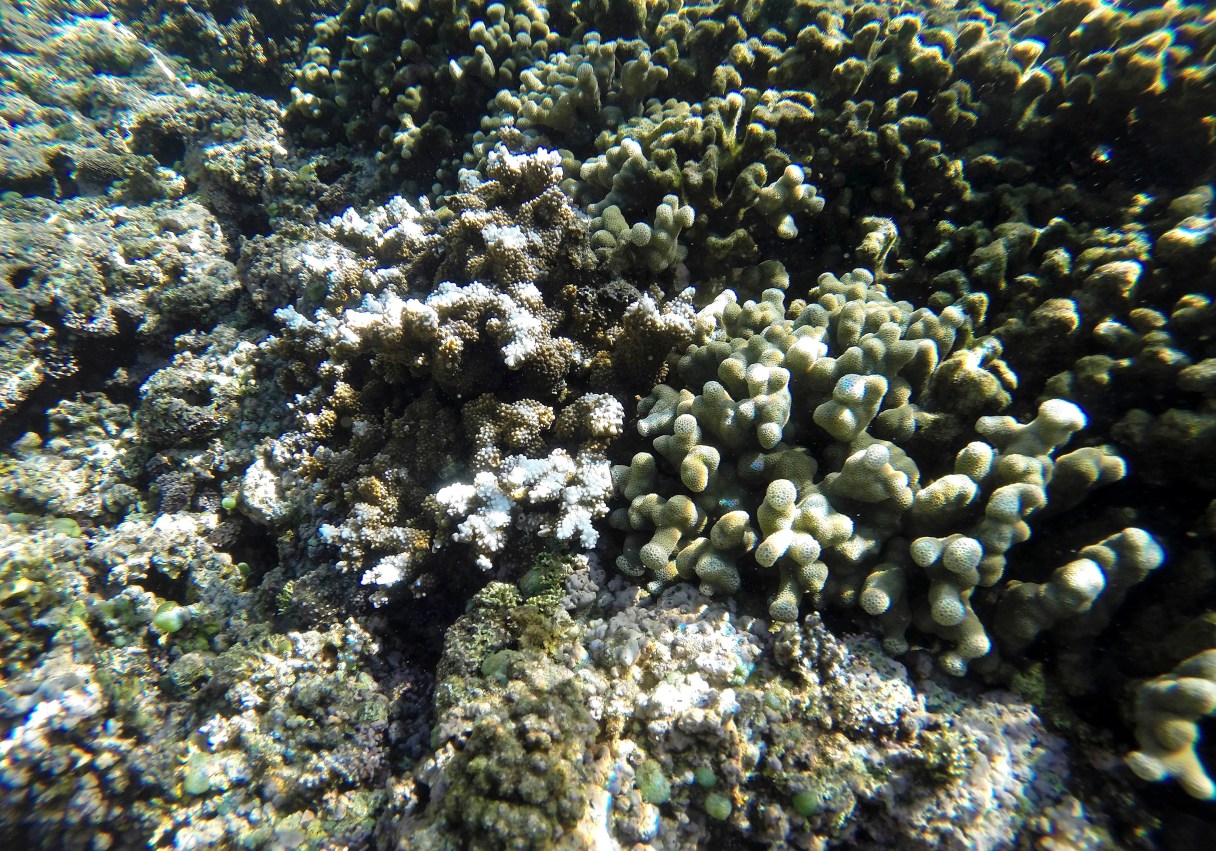
This Jan. 20, 2015 photo released by Hawaii Department of Land & Natural Resources shows coral being studied for bleaching, which is a stress response that causes corals to lose algae and color from their tissue, in Kaneohe Bay near Kaneohe, Hawaii. Warm ocean temperatures last summer stressed many of Hawaii’s coral reefs so severely that they expelled the algae they rely on for survival. The resulting mass “bleaching” of Hawaii’s corals is a blow to the state’s fragile reefs which are already under pressure from runoff from development on land and overfishing. It’s also a concerning indicator of a warming globe, with some activists calling coral bleaching the most visible sign of climate change. (AP Photo/Hawaii Department of Land & Natural Resources, Dan Dennison)
This Jan. 20, 2015 photo released by Hawaii Department of Land & Natural Resources shows coral being studied for bleaching, which is a stress response that causes corals to lose algae and color from their tissue, in Kaneohe Bay near Kaneohe, Hawaii. Warm ocean temperatures last summer stressed many of Hawaii’s coral reefs so severely that they expelled the algae they rely on for survival. The resulting mass “bleaching” of Hawaii’s corals is a blow to the state’s fragile reefs which are already under pressure from runoff from development on land and overfishing. It’s also a concerning indicator of a warming globe, with some activists calling coral bleaching the most visible sign of climate change. (AP Photo/Hawaii Department of Land & Natural Resources, Dan Dennison) This Jan. 20, 2015 photo released by Hawaii Department of Land & Natural Resources shows coral being studied for bleaching, which is a stress response that causes corals to lose algae and color from their tissue, in Kaneohe Bay near Kaneohe, Hawaii. Warm ocean temperatures last summer stressed many of Hawaii’s coral reefs so severely that they expelled the algae they rely on for survival. The resulting mass “bleaching” of Hawaii’s corals is a blow to the state’s fragile reefs which are already under pressure from runoff from development on land and overfishing. It’s also a concerning indicator of a warming globe, with some activists calling coral bleaching the most visible sign of climate change. (AP Photo/Hawaii Department of Land & Natural Resources, Dan Dennison)

HONOLULU (AP) – Coral rely on algae for food and their survival.

So when the stress of warmer-than-average ocean temperatures prompted many of Hawaii’s corals to expel algae last year – a phenomenon called bleaching because coral lose their color when they do this – many were worried they might die.

Now the Hawaii Department of Land and Natural Resources says most of the bleached corals have recovered. It plans to announce the result of its coral surveys on Thursday.

Even so, scientists say the experience weakened the coral, making them more likely to get sick. It’s also going to be harder for them to withstand warm temperatures in the future.

The incident is a blow to the state’s fragile reefs, which are already under pressure from runoff from development, overfishing and recreational use of the ocean.