
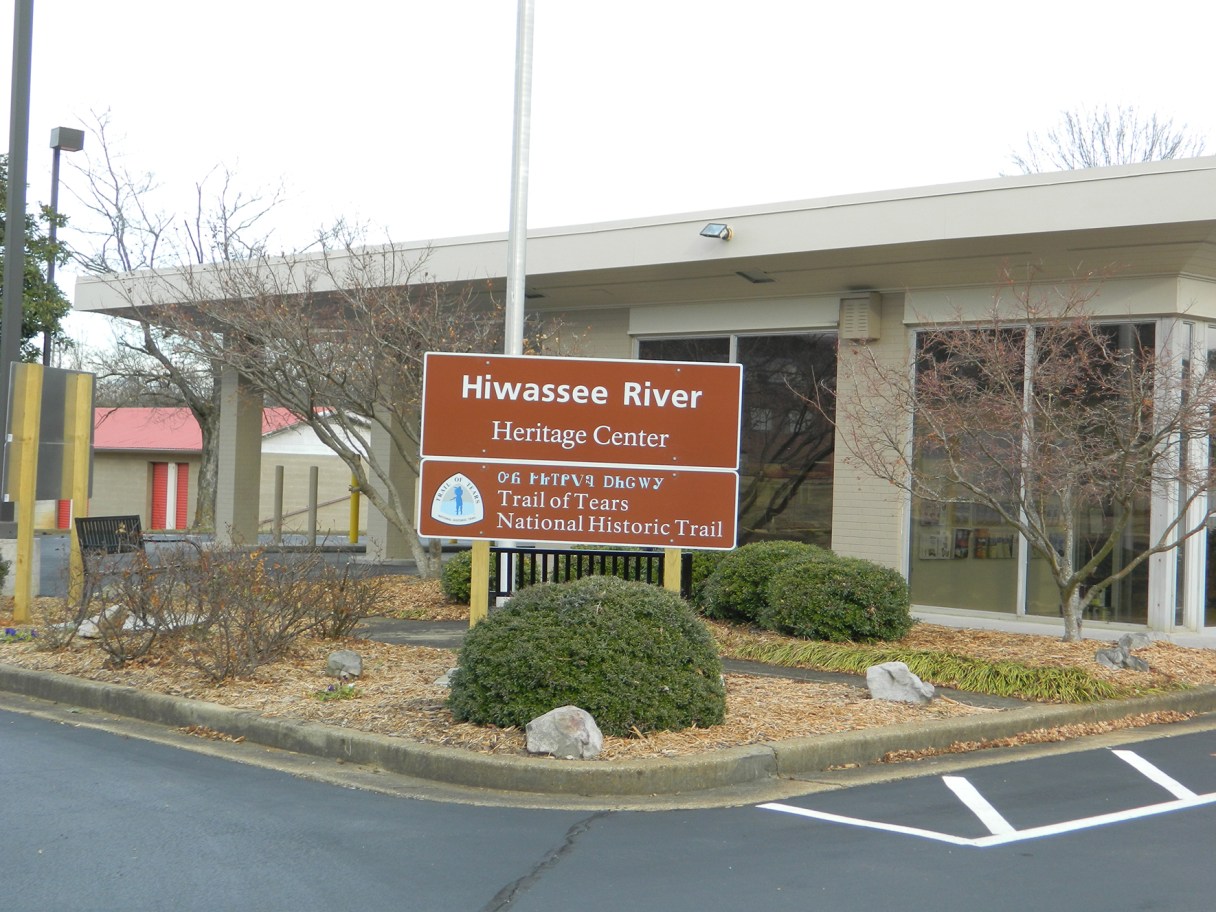
CHARLESTON, Tenn. The Charleston-Calhoun-Hiwassee Historical Society is moving closer to using a $200,000 federal grant to create an interpretive greenway in Charleston, which stands on the epicenter of the 1830s Cherokee removal.
“We are thrilled to have been awarded the funding for the first section of the outdoor interpretation of the National Historic Trail,” said Melissa Woody, vice president of tourism development for the Cleveland/Bradley Chamber of Commerce.
The group received the grant eight months after two representatives from the National Park Service conducted a weeklong charrette to assess the possibility of developing an interpretive greenway that would tie in with the Trail of Tears, said Woody.
In a recent presentation of the award in Nashville, state Rep. Dan Howell, R-Georgetown, applauded Woody’s involvement and commitment to making the trails experience a reality for Charleston.
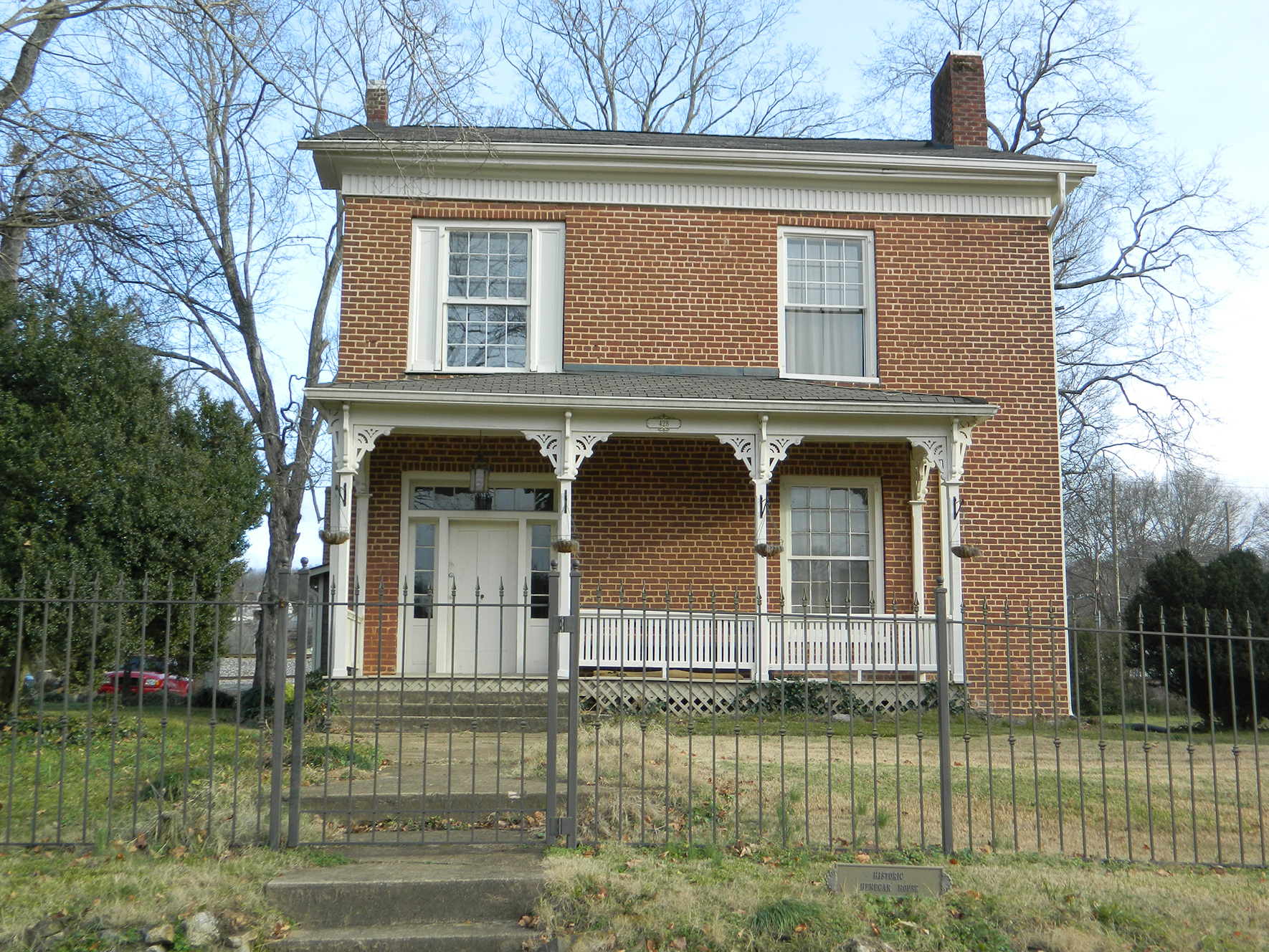 The Henegar House, built in 1849 and located in Charleston, Tenn., stands on the site of the Fort Cass military barracks, which garrisoned soldiers during the removal of the Cherokees in the late 1830s. During the Civil War, Gen. William T. Sherman used the house as a headquarters during East Tennessee operations in 1864.
“Without her vision, energy and determination we would not be where we are today with this project,” said Howell.