
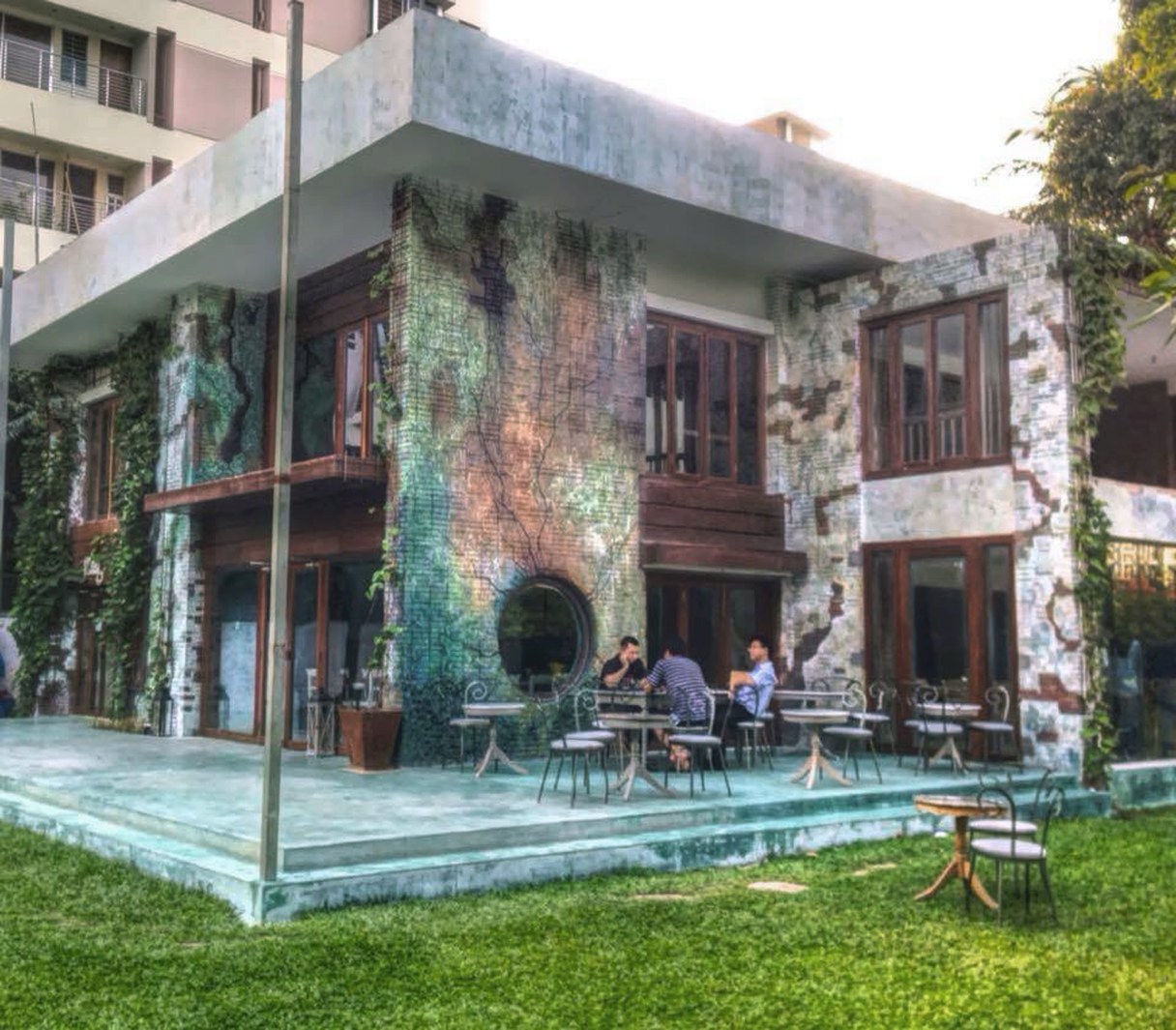
The deaths in the militant attack on a restaurant in Bangladesh were at once random, and not so random.
The 20 hostages who died in the siege had reasons to be in the developing South Asian nation. They were construction consultants from Japan, working on a Japanese government-funded infrastructure project. They were Italian businesspeople in textiles, a major industry in a country that is a center for low-cost production. They were two students from an American university who had ties to Bangladesh.
Their lives intersected on a Friday night at the western-style restaurant at Holey Artisan Bakery, a popular hangout for the relatively well-heeled in the Gulshan diplomatic enclave in Dhaka, the capital of Bangladesh. By Saturday morning, after security forces stormed the restaurant to end a 10-hour siege, they were dead. The Islamic State claimed responsibility for the attack, saying it had targeted citizens of what it called “Crusader countries.” Their stories paint a portrait of innocent lives lost in the world’s latest militant attack.
CONSULTANTS FROM JAPAN
Dhaka, a city of 7 million, has some serious traffic congestion, so it’s no surprise that transport is a key area of Japanese government aid in Bangladesh.