
Tuesday, November 3, 2026Nov 3

This story is free to read.

Exiting rail safety chief looks to technology to save lives

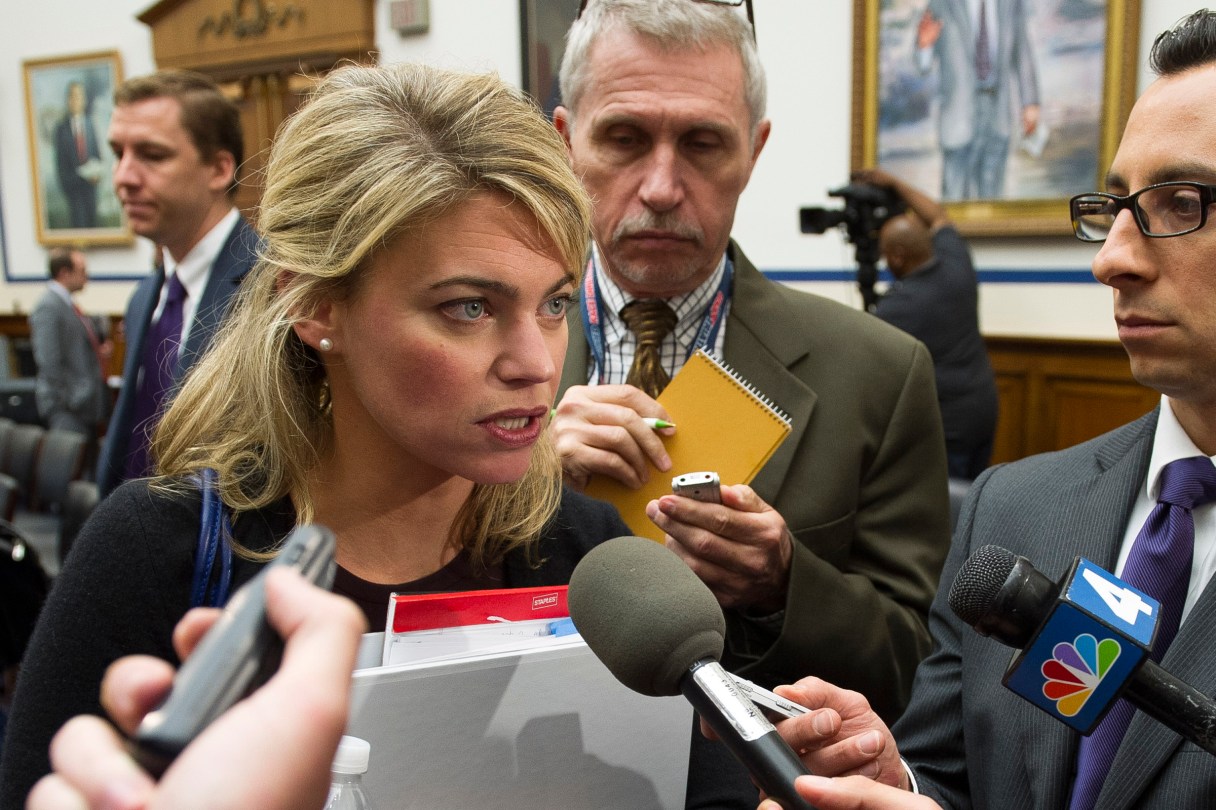
FILE – In this June 2, 2015, file photo, then-acting Federal Railroad Administrator Sarah Feinberg speaks with reporters after testifying about the May 2015 derailment of an Amtrak train in Philadelphia, as part of a House Transportation and Infrastructure Committee oversight hearing on Capitol Hill in Washington. Feinberg leaves office Friday, Jan. 20, 2017, after a two-year tenure as the nation's chief railroad regulator, championing safety and technology initiatives that remain a work in progress. (AP Photo/Cliff Owen, File)
FILE – In this June 2, 2015, file photo, then-acting Federal Railroad Administrator Sarah Feinberg speaks with reporters after testifying about the May 2015 derailment of an Amtrak train in Philadelphia, as part of a House Transportation and Infrastructure Committee oversight hearing on Capitol Hill in Washington. Feinberg leaves office Friday, Jan. 20, 2017, after a two-year tenure as the nation's chief railroad regulator, championing safety and technology initiatives that remain a work in progress. (AP Photo/Cliff Owen, File) FILE – In this June 2, 2015, file photo, then-acting Federal Railroad Administrator Sarah Feinberg speaks with reporters after testifying about the May 2015 derailment of an Amtrak train in Philadelphia, as part of a House Transportation and Infrastructure Committee oversight hearing on Capitol Hill in Washington. Feinberg leaves office Friday, Jan. 20, 2017, after a two-year tenure as the nation's chief railroad regulator, championing safety and technology initiatives that remain a work in progress. (AP Photo/Cliff Owen, File)

PHILADELPHIA (AP) – The nation’s chief railroad regulator is using technology to make rail crossings safer as she prepares to leave office.

Sarah Feinberg says technology companies are beginning to add crossing warnings to their GPS devices and mapping applications.

Feinberg has spent her two years in office pressing the railroad industry to hasten the installation of automatic speed controls and recently urged railroads to test engineers for sleep apnea.

She had been on the job for just three weeks when a packed commuter train slammed into an SUV stopped on tracks north of New York City, killing six people.

The February 2015 crash highlighted a problem that has plagued the railroad industry since the invention of the automobile: the potential for danger wherever tracks and roads meet.

Her tenure ends Friday.