
Friday, November 13, 2026Nov 13

Indonesia rights body urges Obama to open secret US files

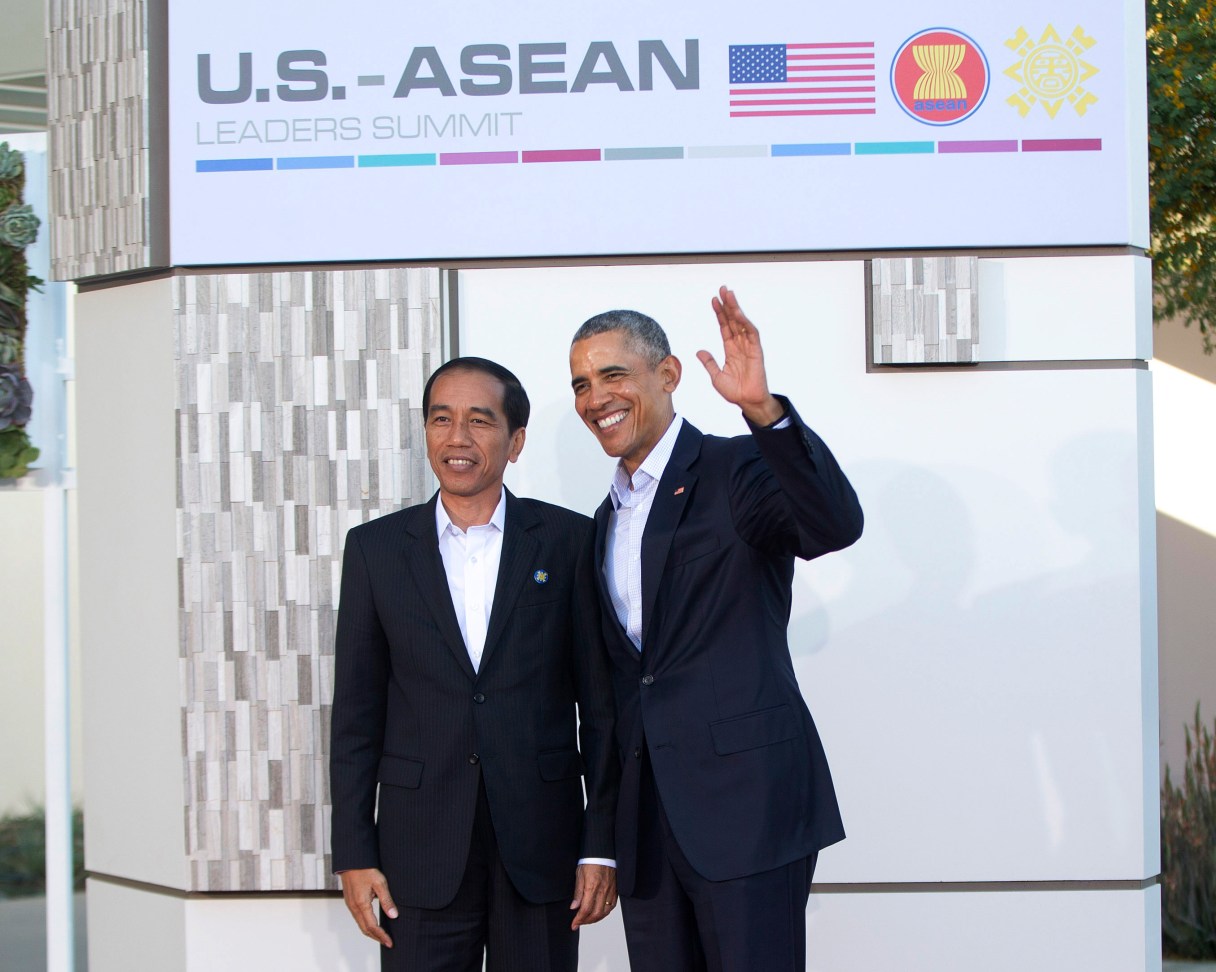
FILE - In this Feb. 15, 2016, file photo, President Barack Obama, right, stands with Indonesian President Joko Widodo at a meeting of ASEAN, the 10-nation Association of Southeast Asian Nations, at the Annenberg Retreat at Sunnylands in Rancho Mirage, Calif.  It was the darkest episode in Indonesia’s modern history: a bloody anti-communist purge that left perhaps a half-million people dead. And it is one that is particularly poignant for Obama, who moved to Indonesia as a child right after the killings ended. Widodo, the first directly elected Indonesian president without links to Suharto, ran as a reformer who would look into episodes of military impunity, but since taking office in 2014, he has not pressed the issue due to opposition within his own government and the still-powerful military. (AP Photo/Pablo Martinez Monsivais, File)
FILE - In this Feb. 15, 2016, file photo, President Barack Obama, right, stands with Indonesian President Joko Widodo at a meeting of ASEAN, the 10-nation Association of Southeast Asian Nations, at the Annenberg Retreat at Sunnylands in Rancho Mirage, Calif. It was the darkest episode in Indonesia’s modern history: a bloody anti-communist purge that left perhaps a half-million people dead. And it is one that is particularly poignant for Obama, who moved to Indonesia as a child right after the killings ended. Widodo, the first directly elected Indonesian president without links to Suharto, ran as a reformer who would look into episodes of military impunity, but since taking office in 2014, he has not pressed the issue due to opposition within his own government and the still-powerful military. (AP Photo/Pablo Martinez Monsivais, File)

WASHINGTON (AP) – The Indonesia that Barack Obama lived in as a child bore fresh scars from the darkest period in country’s modern history. Shortly before Obama’s arrival in 1967, hundreds of thousands of people had been killed in a bloody anti-communist purge.

Now Indonesian human rights officials want Obama’s help in addressing unanswered questions about the bloodshed 50 years ago. They are requesting the declassification of secret U.S. files that could shed light on how the killings were planned and the extent that the United States collaborated with Indonesia’s military.

Despite nearly two decades of civilian rule, the prevailing account in Indonesia of those events remains the one planted by the military regime that swept to power after the killings, led by the dictator Suharto who ruled for 30 years. Indonesian text books portray it as a national uprising against a communist threat, and gloss over the deaths.

Joko Widodo, the first directly elected Indonesian president without links to Suharto, ran as a reformer who would look into episodes of military impunity, but since taking office in 2014, he has not pressed the issue due to opposition within his own government and the still-powerful military.

Indonesia’s National Human Rights Commission in 2012 reported there was evidence that crimes against humanity were committed during the 1965-1966 crackdown, but the attorney general took no action.