
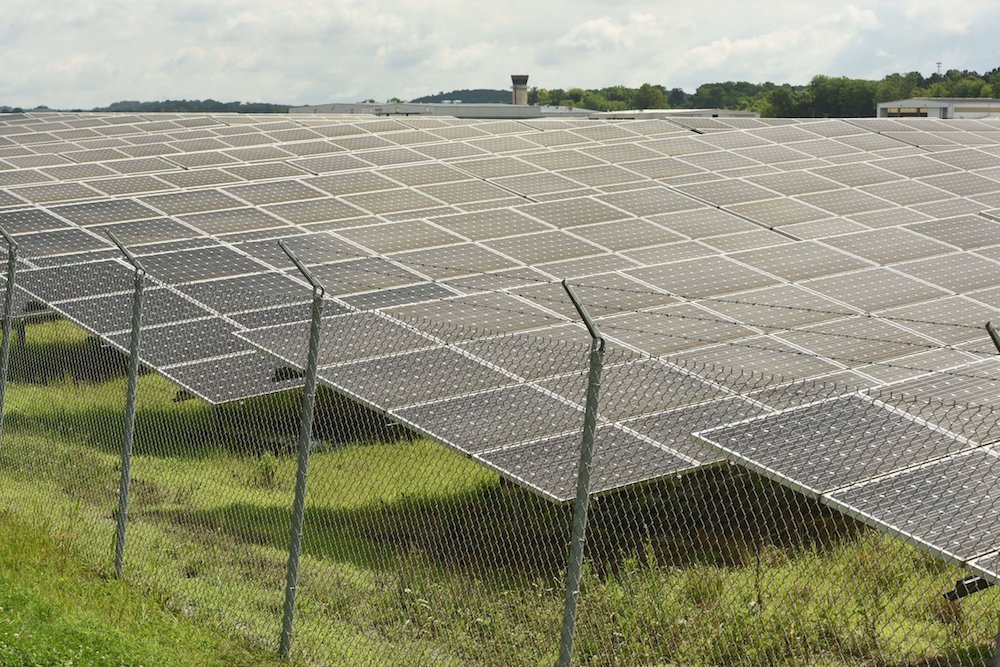
The share of electricity coming from the sun is projected to more than double in the South by 2024 from last year’s levels, a new study shows.
But the amount of solar power across the Southeast varies widely based upon state policies and utility practices, according to the Southern Alliance for Clean Energy (SACE) which is pushing for more solar generation to help achieve a carbon-free electricity sector to limit global climate change.
In its fourth annual report on Solar in the South, SACE said an average 423 watts of solar generation per customer has been installed by utilities and their customers across the Southeast and that should increase by more than 110% in four years to an average of 889 watts per customer.
Most of that increase is being planned in Georgia, which is adding 672 watts per customer and South Carolina which is boosting solar output per customer by 462 watts.
Among the seven states included in the study of the Southeast solar market, Alabama has the lowest share of solar power and Tennessee is the next lowest.