
Saturday, November 14, 2026Nov 14

Japan trade deficit narrows in August on lower oil imports

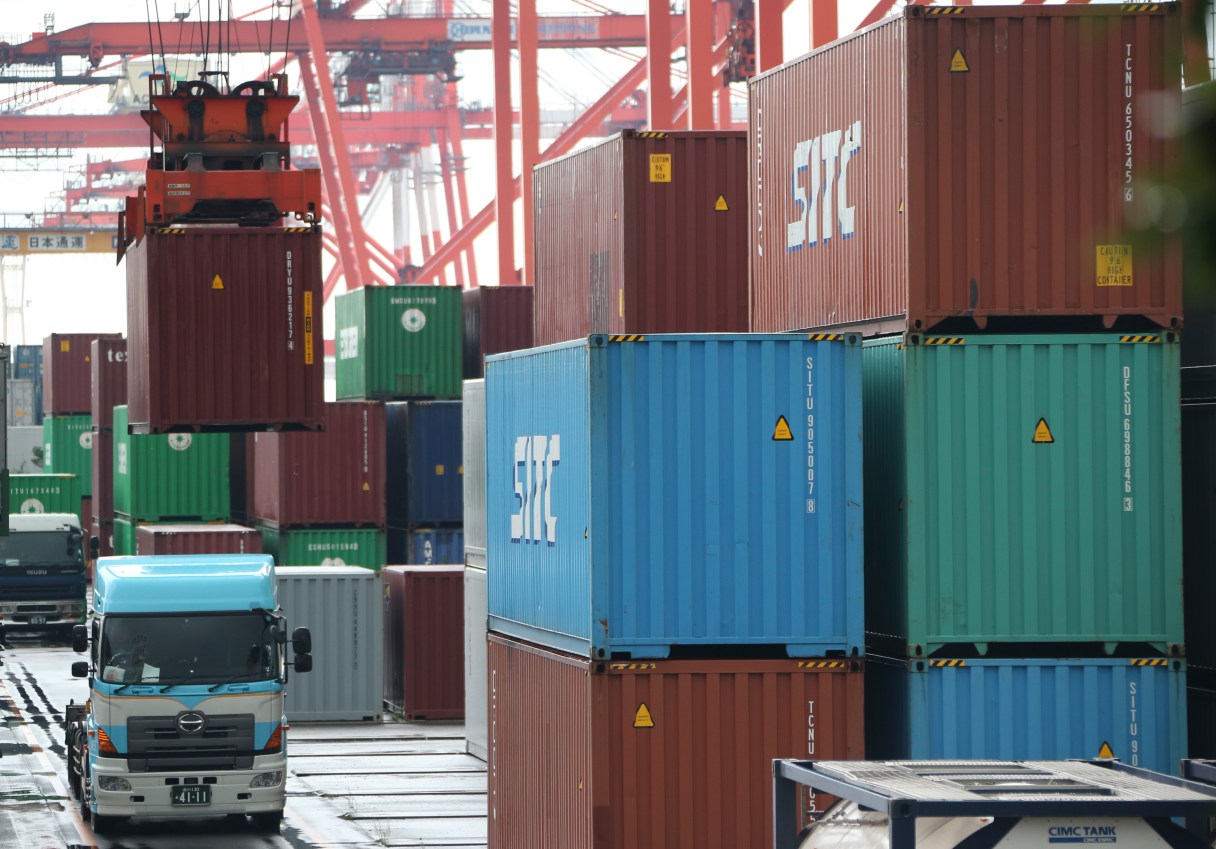
FILE - In this Aug. 17, 2015 file photo, a cargo is loaded onto a truck at a port in Tokyo. Japan's trade deficit narrowed in August from the year before as costs for crude oil imports plunged and exports to the U.S. showed steady growth. The customs data released Thursday, Sept. 17, 2015 showed a 4.2 percent drop from August a year earlier in the volume of exports for the world's third-largest economy, likely mainly reflecting weakness in shipments to China. (AP Photo/Koji Sasahara, File)

TOKYO (AP) – Japan’s trade deficit narrowed in August from the year before as costs for crude oil imports plunged and exports to the U.S. showed steady growth.

The customs data released Thursday showed a 4.2 percent drop from August a year earlier in the volume of exports for the world’s third-largest economy, likely mainly reflecting weakness in shipments to China.

But the value of exports rose 3.1 percent from a year earlier, to 5.9 trillion yen ($48.7 billion) while imports fell 3.1 percent to 6.5 trillion yen ($53.4 billion). The 569.7 billion yen ($4.7 billion) deficit was the largest in seven months.

The slowdown in China’s economy hit shipments of steel, auto parts and metalworking machinery hardest, pulling exports 4.6 percent lower than a year earlier. Japan’s imports from China rose 15 percent, causing its deficit to more than double, to 485.5 billion yen ($4 billion).

Exports to the U.S. rose 11 percent from a year earlier, mainly due to sales of cars and pharmaceuticals.