
Tuesday, November 10, 2026Nov 10

Is rider safety the real Achilles heel for Uber and Lyft?

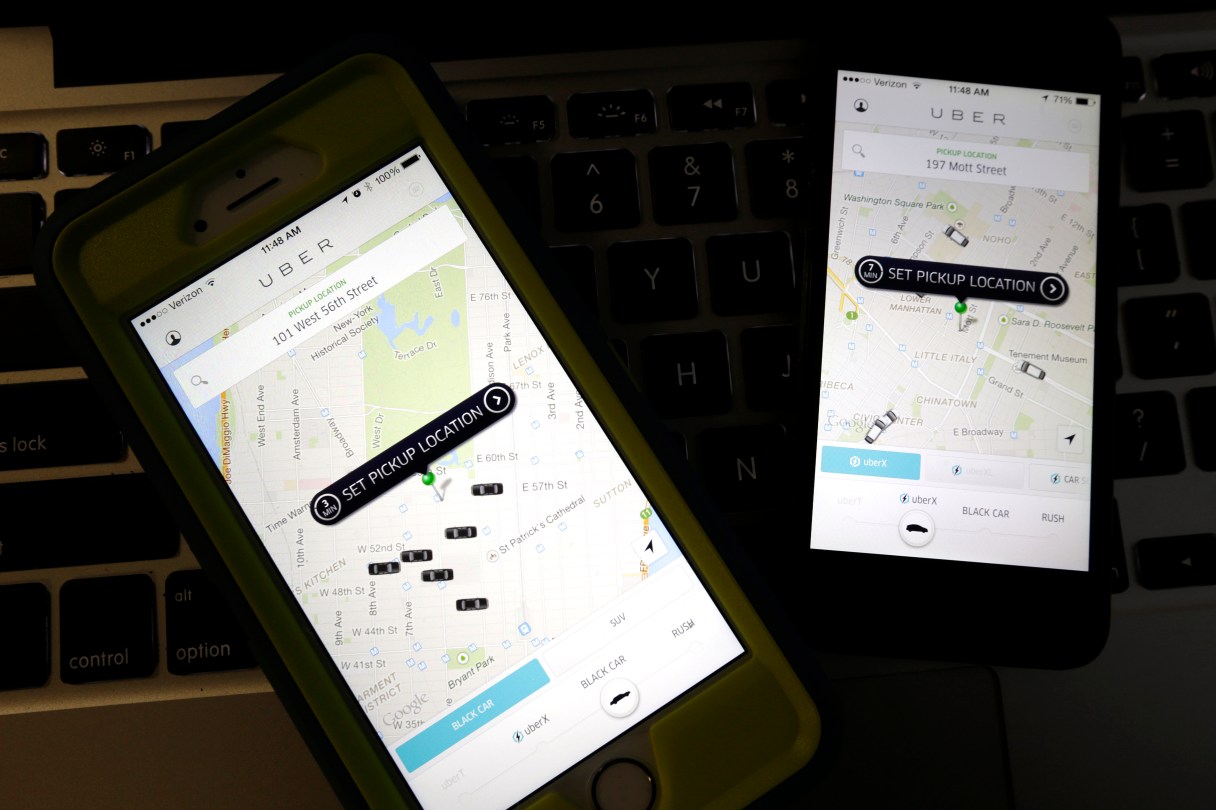
FILE - This Friday, Nov. 21, 2014 file photo taken in Newark, N.J., shows smartphones displaying Uber car availability in New York. With assault cases against their drivers in India and Chicago this week, popular ride-hailing app Uber is in for yet another public relations ordeal that follows ongoing criticisms about its corporate ethics and culture. And yet, neither government nor the taxi industry has regulators been able to curb the company’s meteoric growth, one that has spurred an entire industry. (AP Photo/Julio Cortez, File)
FILE - This Friday, Nov. 21, 2014 file photo taken in Newark, N.J., shows smartphones displaying Uber car availability in New York. With assault cases against their drivers in India and Chicago this week, popular ride-hailing app Uber is in for yet another public relations ordeal that follows ongoing criticisms about its corporate ethics and culture. And yet, neither government nor the taxi industry has regulators been able to curb the company’s meteoric growth, one that has spurred an entire industry. (AP Photo/Julio Cortez, File) FILE - This Friday, Nov. 21, 2014 file photo taken in Newark, N.J., shows smartphones displaying Uber car availability in New York. With assault cases against their drivers in India and Chicago this week, popular ride-hailing app Uber is in for yet another public relations ordeal that follows ongoing criticisms about its corporate ethics and culture. And yet, neither government nor the taxi industry has regulators been able to curb the company’s meteoric growth, one that has spurred an entire industry. (AP Photo/Julio Cortez, File)

LOS ANGELES (AP) – The growth of ride-hailing companies such as Uber and Lyft so far has not been hindered by limits from government regulators and campaigns by taxi cab competitors. A bigger threat to the new industry’s impressive start could come from customers – if enough people stop using the services over fears that drivers aren’t safe.

Not safe as in the drivers won’t get into an accident – safe as in they won’t attack passengers.

Uber operates in more than 250 cities in 50 countries, and recently was valued at $40 billion based on $1.2 billion that investors poured into the company in its latest funding round. Lyft, meanwhile, operates in 70 markets in the U.S., up from 30 at the start of the year.

So far, controversies have not seemed impact the popularity of ride-hailing apps. They boast several advantages over taxis, including no-cash payments and an app that shows how far away a car is and whether the driver received positive reviews from prior riders. Uber ranks 39th in the Apple iTunes store among the most popular free apps, ahead of Gmail and the music streaming service Pandora. Lyft, which is much smaller, is not in the top 100.

But just this week, California prosecutors sued both, saying they misrepresent and exaggerate the rigor of their background checks. Police in India questioned an Uber executive about its background checks after a driver was accused of raping a passenger. And Uber removed a driver in Chicago after a customer reported she was sexually assaulted during a ride in the city last month. The company said it is cooperating with police in what it called “an appalling and unacceptable incident.