
NEW YORK – Major League Baseball’s deputy commissioner and the MLB Players Association’s chief negotiator met for 1 1/2 hours Thursday, with Dan Halem and Bruce Meyer discussing the major issues in the stalled talks to reach a deal that would end MLB’s lockout.
Halem was joined by Morgan Sword, who is MLB’s executive vice president for baseball operations, and Meyer by Ian Penny, general counsel for the players’ union, in the session.
The MLBPA’s executive board held a conference call later Thursday, but there was no known decision on the timing of the next negotiating session. Baseball’s ninth work stoppage was in its 92nd day, and this is the sport’s first labor conflict to cause games to be canceled since the 1994-95 strike wiped out the World Series for the first time in 90 years.
Negotiations broke off Tuesday after the ninth straight day of meetings in Jupiter, Florida, and MLB commissioner Rob Manfred announced that opening day, set for March 31, had been postponed with the first two series for each team this season canceled. He said there would be insufficient training time for the regular-season openers to take place as scheduled.
Negotiating teams then headed home. The sides had made progress during 16 1/2 hours of bargaining that ended at 2:30 a.m. Tuesday, but they were still far apart on areas that include the key economic components of the luxury tax, pre-arbitration bonus pool and minimum salaries. The sides expressed anger at each other’s proposals when talks resumed later that day.
Fitch Ratings said the cancellation will not impact MLB and stadium-level debt ratings for now due to liquidity that included dedicated debt reserve funds sufficient for a season-long stoppage. The credit ratings agency said MLB’s media contracts are structured for continued payments in 2022 during a lockout, with the possibility of repayments due later.
“The coronavirus-affected 2020 season demonstrates that the league and its teams have financial resources to withstand a shortened season, albeit with reliance on liquidity support from ownership or debt financing,” Fitch said. “Under a one-month cancellation, we expect MLB will be able to preserve national media revenue at levels close to those agreed to under contract.”
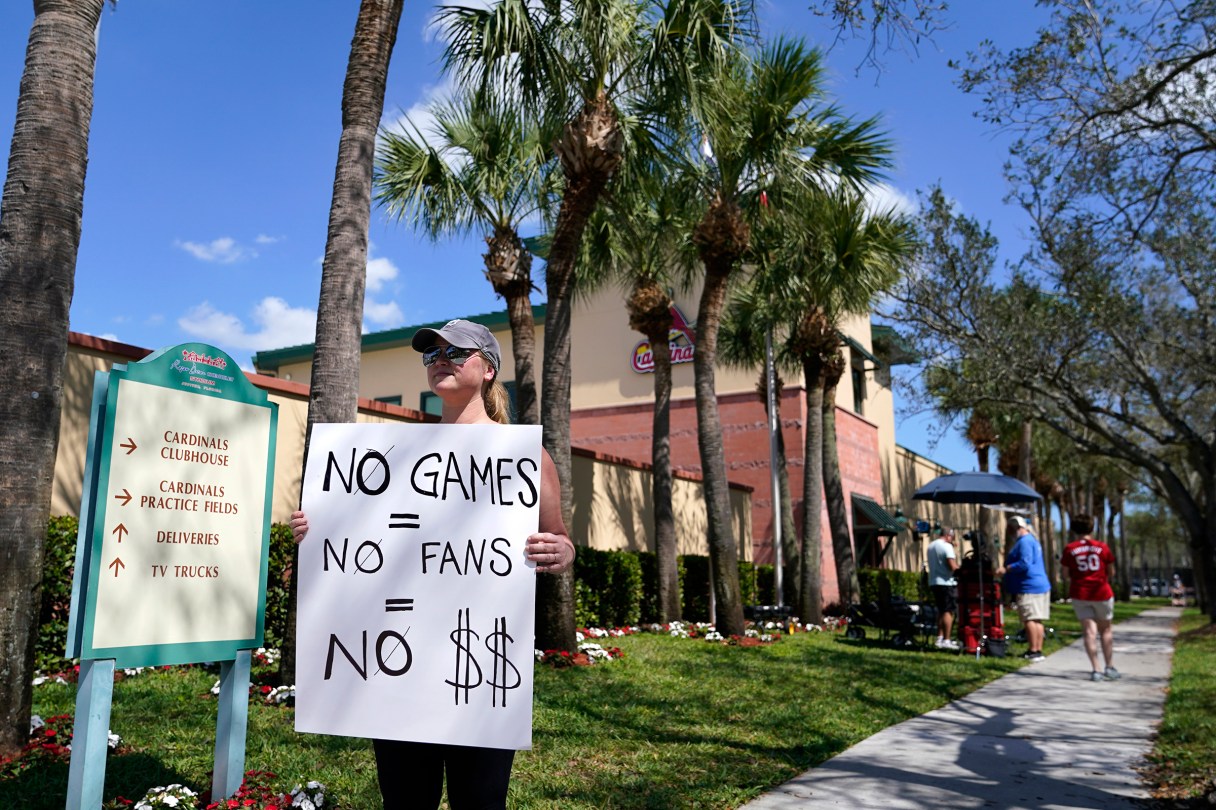
Fitch added “a prolonged work stoppage could also alienate fans and corporate sponsors, which could not only affect revenue in the current season but could drag on the growth of the sport in the longer term.” It also said “team and stadium financings will face rating pressure sooner than the league if the lockout extends beyond April.”