
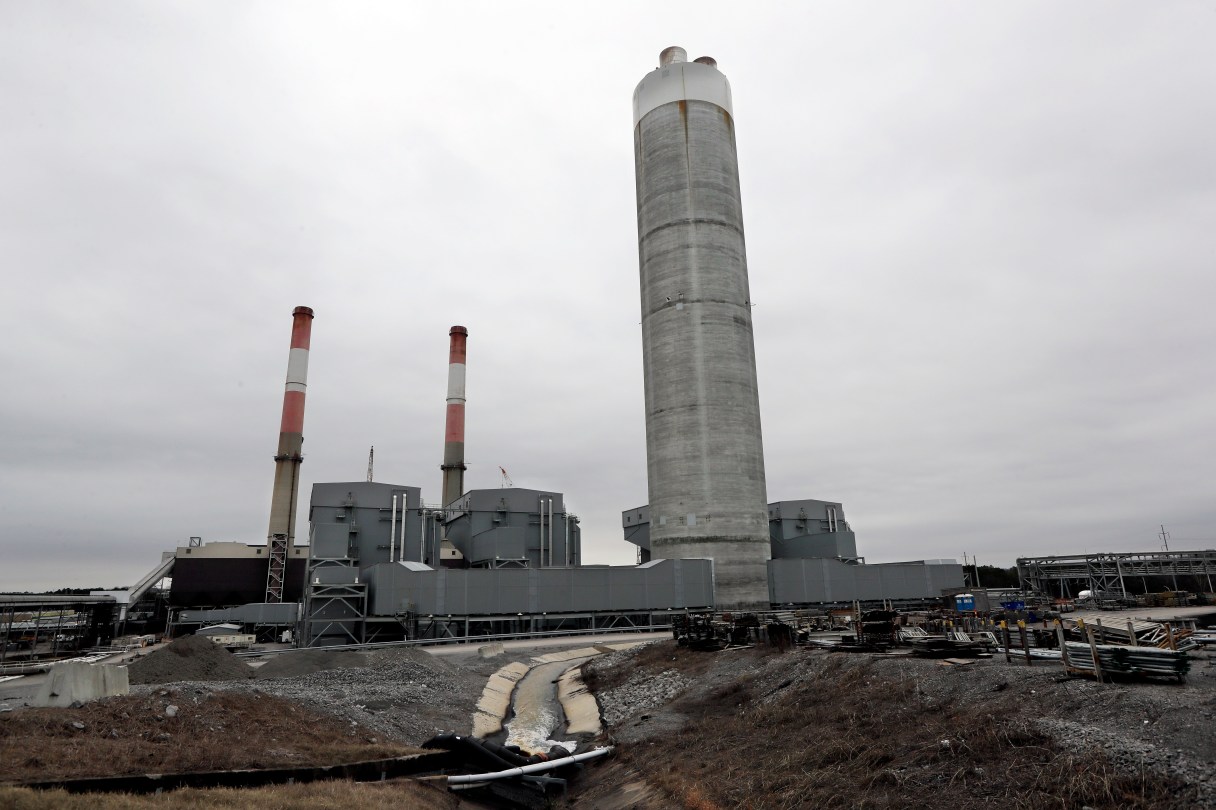
A federal appellate panel has overturned an order that would have required the nation’s largest public utility to unearth and remove a massive amount of coal ash at one of its Tennessee power plants.
In a 2-1 decision, the 6th U.S. Circuit Court of Appeals wrote that leaks from unlined coal ash pits through groundwater into the Cumberland River are a “major environmental problem” at the Tennessee Valley Authority’s Gallatin Fossil Plant. But, the ruling continued, the Clean Water Act isn’t the “proper legal tool of correction” to address it.
The cleanup would have involved digging up and moving almost 14 million cubic yards of coal ash, a byproduct of burning coal for power that contains heavy metals like arsenic, mercury and lead. Though Monday’s decision was a defeat for environmental interests, state regulators still have a lawsuit pending over similar environmental complaints at Gallatin.
The environmental investigation by state regulators will help TVA determine how to dispose of the ash, said utility spokesman William Scott Gureck.
The case drew plenty of outside interest over how the Clean Water Act was applied. Eighteen largely Republican states, the U.S. Chamber of Commerce, national coal industry interests and more than a dozen other groups weighed in against the lower court’s cleanup ruling, saying it would have wide-reaching, expensive consequences, particularly for ratepayers.