
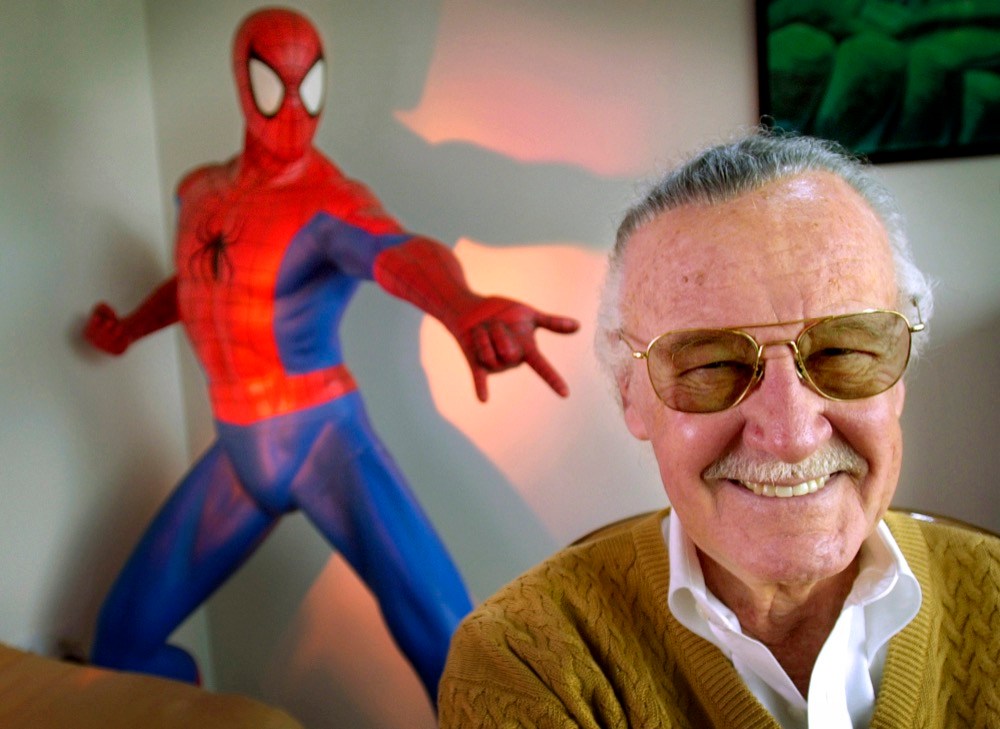
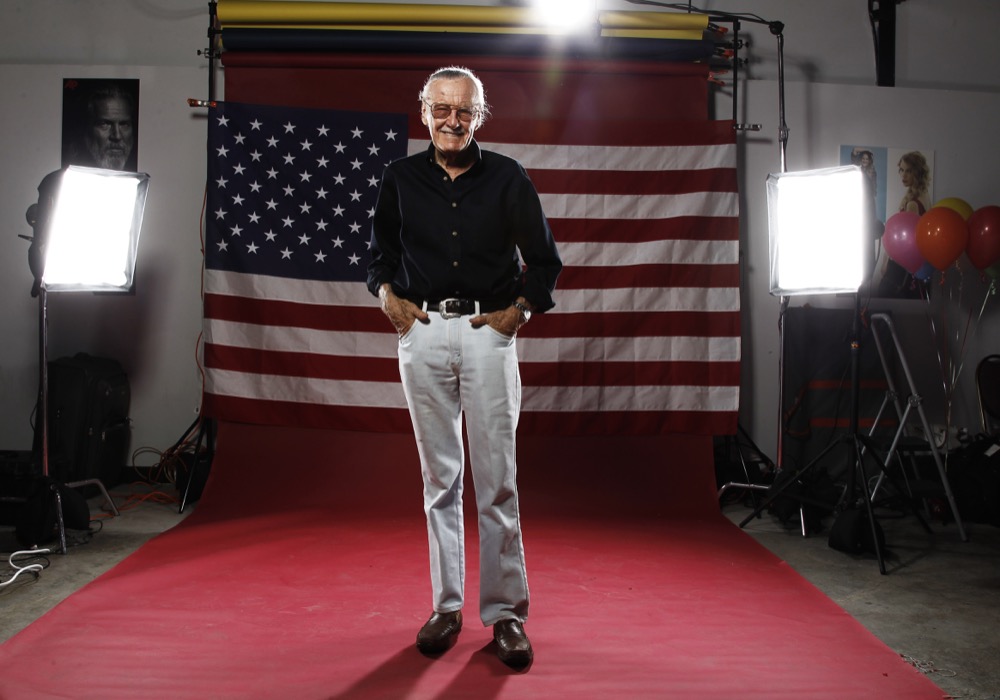
 FILE – In this July 21, 2011, file photo, Stan Lee poses for a portrait at the LMT Music Lodge during Comic Con in San Diego. Comic book genius Lee, the architect of the contemporary comic book, has died. He was 95. (AP Photo/Matt Sayles, File)
It became easy, in recent years, to dismiss him as the wisecracking grandpa of the American comic book, a past-his-prime gimmick who cameoed alongside Earth’s angstiest superheroes in the high-grossing Marvel blockbusters of the past decade.
But Stan Lee, who died Monday, was far more than that. It’s no stretch to say that he helped redraw the world of American fiction. And he certainly made sure everyone knew it.
From the ashes of pulp magazines and the radioactive raw material of postwar uncertainty about science and power, he summoned – not singlehandedly, but certainly without parallel or peer – a textured, self-sustaining universe of imperfect heroes.
While Updike and Cheever were doing it in literature, while Kubrick and Lumet and Penn were doing it at the movies, the father of Marvel presented comic-book America – which meant, at the time, mostly adolescent boys – with a pantheon of deeply flawed protagonists who, despite their presence in so many tales to astonish, were in many ways just like you and me.
These outcasts and misfits rose to the alarm clock’s buzzing and slogged to work each morning to get the job done, not in a fanciful Metropolis or Gotham but on the actual streets of New York City and in the imperfect America beyond it. For them, the struggle was the thing – no matter whether the task was saving the world, paying the rent or trying to make ends meet as a freelance photographer or a blind lawyer or an itinerant stunt motorcyclist.