
Tuesday, November 10, 2026Nov 10

Microplastics are everywhere, but are they harming us?

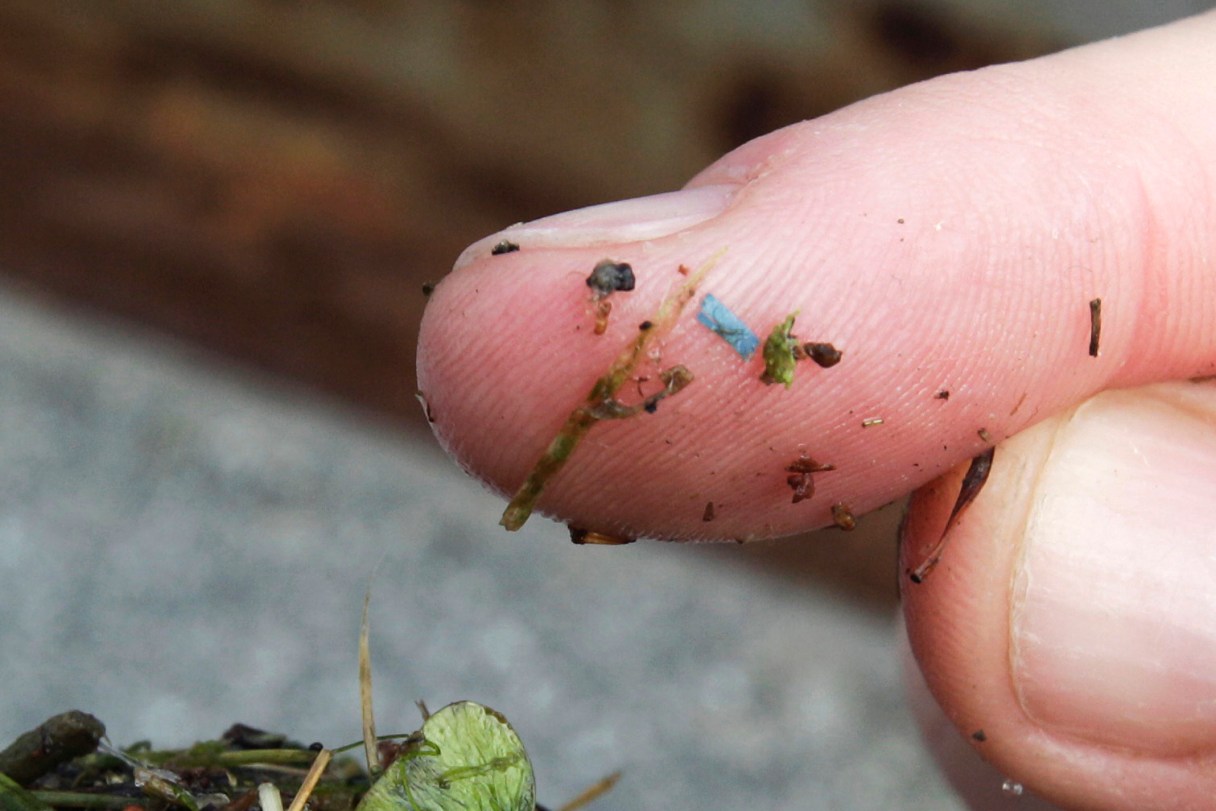
FILE - A blue rectangular piece of microplastic sits on the finger of a researcher with the University of Washington-Tacoma environmental science program, after it was found in debris collected from the Thea Foss Waterway, in Tacoma, Wash., on May 19, 2010. (AP Photo/Ted S. Warren, File)
FILE - A blue rectangular piece of microplastic sits on the finger of a researcher with the University of Washington-Tacoma environmental science program, after it was found in debris collected from the Thea Foss Waterway, in Tacoma, Wash., on May 19, 2010. (AP Photo/Ted S. Warren, File) FILE - A blue rectangular piece of microplastic sits on the finger of a researcher with the University of Washington-Tacoma environmental science program, after it was found in debris collected from the Thea Foss Waterway, in Tacoma, Wash., on May 19, 2010. (AP Photo/Ted S. Warren, File)

NEW YORK (AP) — Microplastics have been found in the ocean and the air, in our food and water. They have been found in a wide range of body tissues, including the heart, liver, kidneys and even testicles.

But are they actually harming you?

Evidence suggests they might, but it’s limited in scope. Some researchers are worried, but acknowledge there are lots of unanswered questions.

Dr. Marya Zlatnik, a San Francisco-based obstetrician who has studied environmental toxins and pregnancy, has seen studies raising concerns about microplastics’ impact on the health of babies and adults.

But it’s a young research field, and it’s not something she generally discusses with patients.