
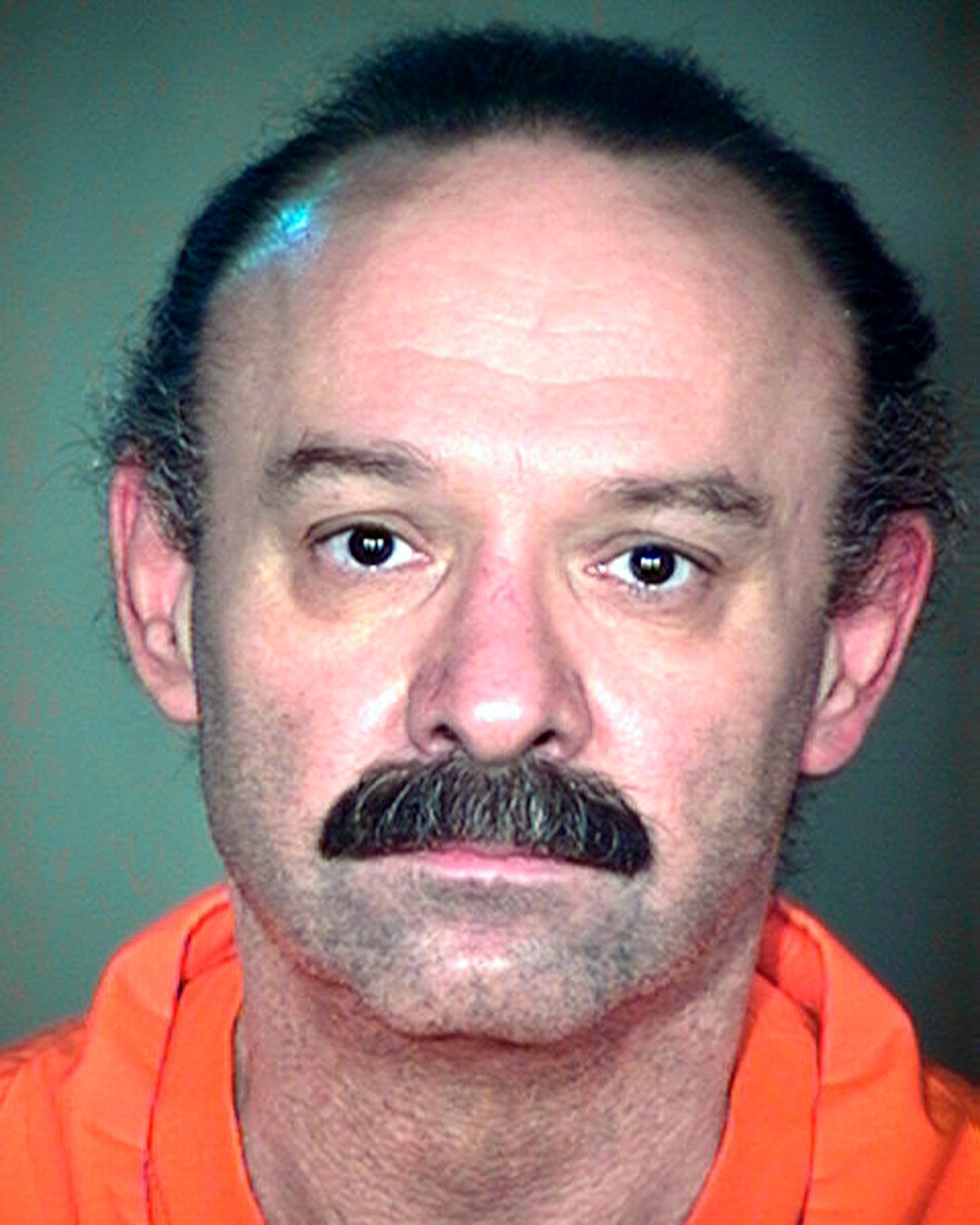
TUCSON, Ariz. (AP) – The U.S. Supreme Court on Tuesday allowed an Arizona execution to go forward amid a closely watched First Amendment fight over the secrecy surrounding lethal injection drugs in the country.
The court ruled in favor of Arizona officials in the case of Joseph Rudolph Wood, who was convicted of murder in the 1989 shooting deaths of his estranged girlfriend and her father. The state plans to execute him Wednesday.
Wood, 55, argued he has a First Amendment right to details about the state’s lethal injection method, the qualifications of the executioner and who makes the drugs. Such demands for greater transparency have become a new legal tactic in death penalty cases in recent months.
The 9th U.S. Circuit Court of Appeals had put Wood’s execution on hold, saying the state must reveal the information. That marked the first time an appeals court has acted to delayed an execution based on the issue of drug secrecy, said Richard Dieter, director of the Death Penalty Information Center in Washington, D.C.
The 9th Circuit gave new hope to death penalty opponents. While many death row inmates have made the same First Amendment argument as Wood, other appeals courts have shot them down. But the Supreme Court has not been receptive to the defense lawyers’ latest arguments, ruling against them each time the transparency issue has come before the justices.