
Thursday, November 12, 2026Nov 12

Body donations on the rise at US medical schools

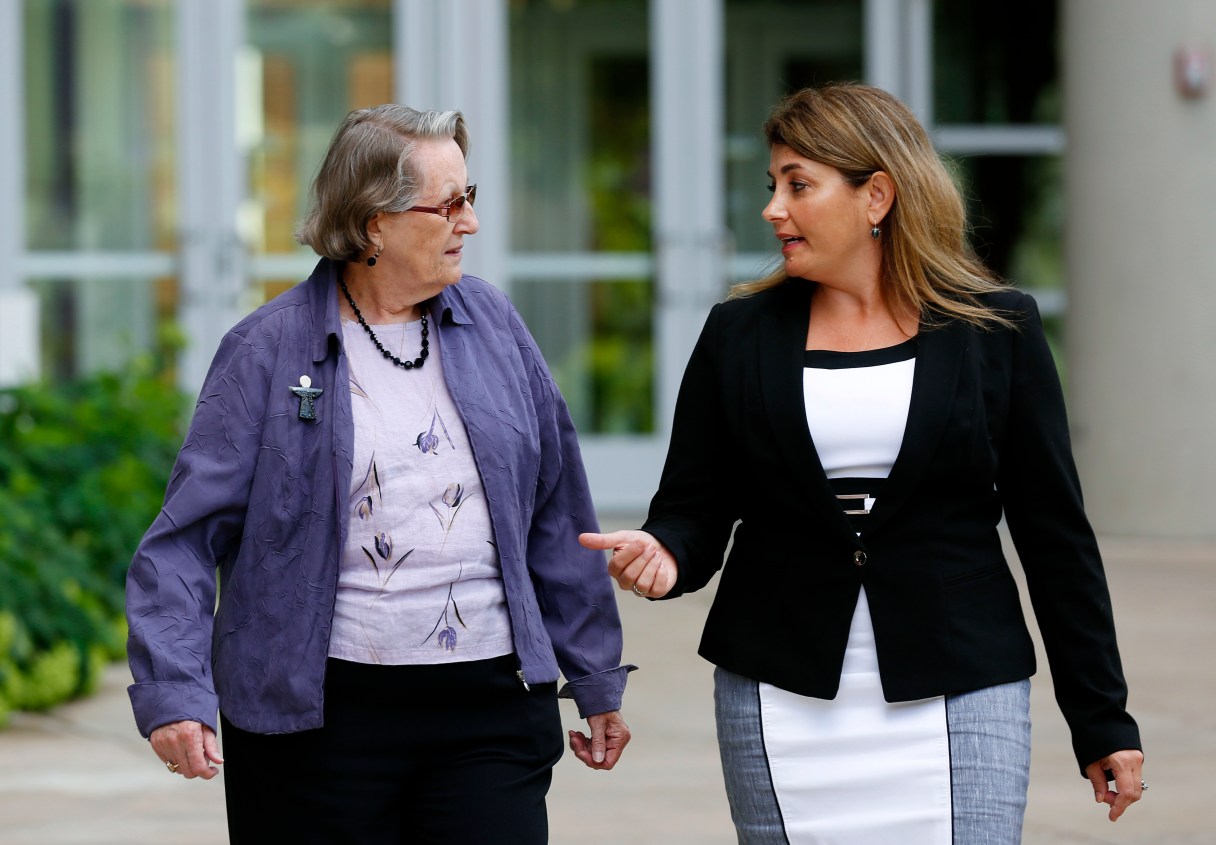
In this Aug. 11, 2016 photo, Angela McArthur, left, director of the Anatomy Bequest Program at the University of Minnesota Medical School, walks with Jean Larson, widow of a donor in Minneapolis. Once a relatively rare option, body donation has surged at medical schools, including the University of Minnesota. The increase has helped provide cadavers for dissection by first-year medical students, and for research and surgical training. (AP Photo/Andy Clayton-King)
In this Aug. 11, 2016 photo, Angela McArthur, left, director of the Anatomy Bequest Program at the University of Minnesota Medical School, walks with Jean Larson, widow of a donor in Minneapolis. Once a relatively rare option, body donation has surged at medical schools, including the University of Minnesota. The increase has helped provide cadavers for dissection by first-year medical students, and for research and surgical training. (AP Photo/Andy Clayton-King) In this Aug. 11, 2016 photo, Angela McArthur, left, director of the Anatomy Bequest Program at the University of Minnesota Medical School, walks with Jean Larson, widow of a donor in Minneapolis. Once a relatively rare option, body donation has surged at medical schools, including the University of Minnesota. The increase has helped provide cadavers for dissection by first-year medical students, and for research and surgical training. (AP Photo/Andy Clayton-King)

Many U.S. medical schools are seeing a surge in the number people leaving their bodies to science, a trend attributed to rising funeral costs and growing acceptance of a practice long seen by some as ghoulish.

The increase has been a boon to medical students and researchers, who dissect cadavers in anatomy class or use them to practice surgical techniques or test new devices and procedures.

“Not too long ago, it was taboo. Now we have thousands of registered donors,” said Mark Zavoyna, operations manager for Georgetown University’s body donation program.

The University of Minnesota said it received more than 550 cadavers last year, up from 170 in 2002. The University at Buffalo got almost 600 last year, a doubling over the past decade. Others that reported increases include Duke University, the University of Arizona and state agencies in Maryland and Virginia. ScienceCare, a national tissue bank, now receives 5,000 cadavers a year, twice as many as in 2010.

One reason is that religious objections to dissection and cremation hold less sway today than in the past, said Ronn Wade, director of Maryland’s State Anatomy Board.