
Personal Finance: Why is the dollar strengthening?
Given the enormous federal debt and trillion dollar deficits, one might expect the value of the dollar to decline.

Given the enormous federal debt and trillion dollar deficits, one might expect the value of the dollar to decline.
Imagine heading off to work, knowing the stock market was likely to open higher. On the commute, you hear that a salvo of tweets has caused the Dow to sink 600 points and your 401(k) to lose 2% (well, it could happen). If you sigh quietly and switch the station to Easy Listening, this column is not for you.

By now, most everyone with electric power has at least heard of Bitcoin.

Investors have experienced increased anxiety over the past two weeks as the market indices have encountered some turbulence. Concerns over the trade war, slowing global growth and a puzzling interest rate cut by the Fed have conspired to heighten fears of an impending recession and trigger a bit of a selloff in the market.
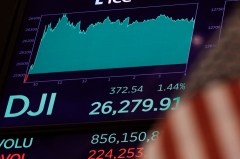
Since the end of the Great Recession in 2009, expectations for higher interest rates have been dashed. Many observers divined runaway inflation and soaring interest rates within the decade. This type of climate would argue against holding preferred stocks. Instead, rates rose only marginally and now appear to be headed lower again in response to a slowing economy.

Last week, credit bureau Equifax reached a compensation settlement for a massive data breach suffered in 2017. The accord with the Federal Trade Commission, the Consumer Financial Protection Bureau, and all 50 states has not yet been approved by the U.S. District Court, but is expected to be finalized within a few months.
If you've ever been puzzled by the difference between interest rate and APR, you're in the right place.
At last week's press conference, Fed Chairman Jerome Powell hinted that the central bank would reduce interest rates in the near future.

Total student loan debt now exceeds $1.6 trillion, with 45 million Americans carrying balances. Of those, around 20% owe at least $100,000. Among Millennials who have yet to buy a house, 8 in 10 say that college loans are the primary obstacle.

Investing involves more than just picking the next Amazon; it all begins with establishing the correct type of account to suit your particular situation. The choices are numerous and choosing wisely is important, so here is a look at the options.