Science
The latest Science coverage from the Chattanooga Times Free Press, part of our News section.
More in Science, page 42
-
NOT REAL NEWS: A look at what didn’t happen this week
A roundup of some of the most popular but completely untrue stories and visuals of the week. None of these are legit, even though they were shared widely on social media. The Associated Press checked them out. Here are the facts:
-
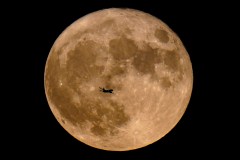
Supermoon could team up with Hurricane Idalia to raise tides higher just as the storm makes landfall
A rare blue supermoon could raise tides above normal just as Hurricane Idalia lashes Florida’s west coast, exacerbating flooding from the storm.
-
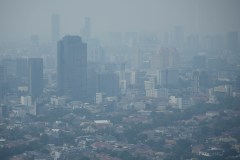
Study reveals how much carbon damage would cost corporations if they paid for their emissions
The world’s corporations produce so much climate change pollution, it could eat up about 44% of their profits if they had to pay damages for it, according to a study by economists of nearly 15,000 public companies.
-
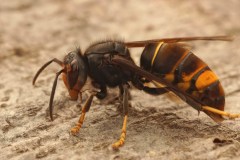
Threatened Georgia pollinators face a new foe: The voracious ‘bee hawk’
Just after 7 a.m. on Tuesday, Barry Hart was working in his bee yard in deep South Georgia when his phone buzzed with a text message from a fellow beekeeper.
-
Fresh look at DNA from Oetzi the Iceman traces his roots to present day Turkey
Oetzi the Iceman has a new look. Decades after the famous glacier mummy was discovered in the Italian Alps, scientists have dug back into his DNA to paint a better picture of the ancient hunter.

-
COVID-19 took a toll on heart health and doctors are still grappling with how to help
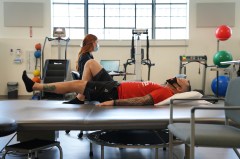
Firefighter and paramedic Mike Camilleri once had no trouble hauling heavy gear up ladders. Now battling long COVID, he gingerly steps onto a treadmill to learn how his heart handles a simple walk.
-
After a glacial dam outburst destroyed homes in Alaska, a look at the risks of melting ice masses
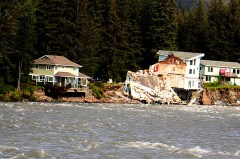
People in Alaska's capital have lived for more than a decade with periodic glacial dam outbursts like the one that destroyed at least two homes over the weekend.
-
High ocean temperatures are harming the Florida coral reef. Rescue crews are racing to help
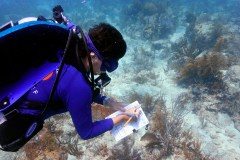
Steps away from the warming waters of Florida Bay, marine biologist Emily Becker removed covers from the dozens of water-filled tanks under her watchful eye. Nestled in seawater carefully maintained at about 85 degrees Fahrenheit (29 degrees Celsius) lay hundreds of pieces of coral — some a sickly white from the bleaching that threatens to kill them, others recovered to a healthy bright iodine in color.
-
Astronauts get first look at the spacecraft that will fly them around the moon
The four astronauts assigned to fly around the moon in another year got their first look at their spacecraft, as NASA warned Tuesday there could be more delays.

-
Scientists look beyond climate change and El Nino for other factors that heat up Earth
Scientists are wondering if global warming and El Nino have an accomplice in fueling this summer's record-shattering heat.