
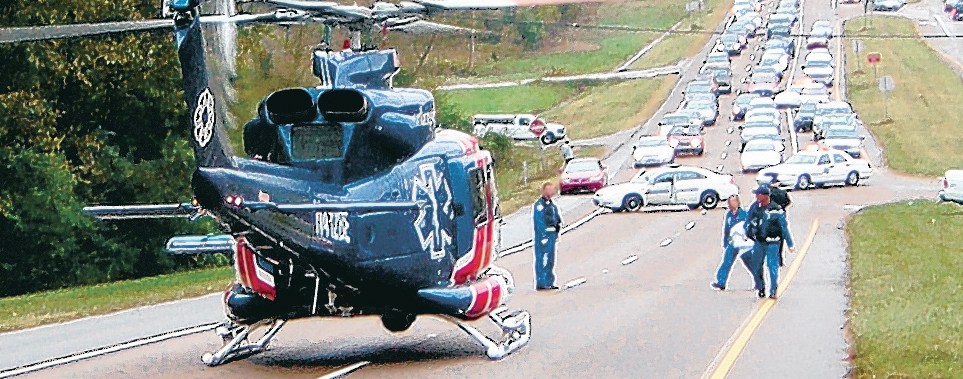
As a nurse for Erlanger Health System, Curtis Fowler has intubated a neonate, analyzed the blood chemistry of a stroke patient and secured a surgical airway on a trauma victim…all while flying at 2,000 feet.
“Our flight crew does things that no other nurse or paramedic can do, such as basic surgical procedures,” explains Life Force program director Robbie Tester. “It’s basically like a flying intensive care room.”
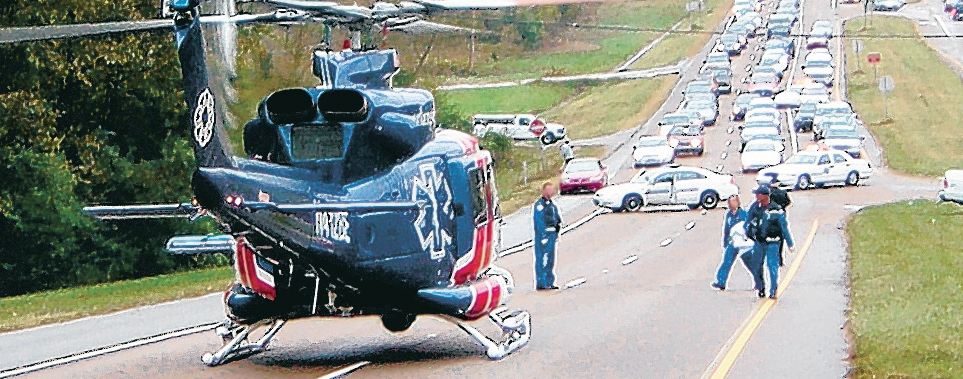
The four-helicopter air ambulance program transports the region’s most critically ill or injured patients to Erlanger’s downtown emergency department. When Life Force lifts off, there are only three people on board – a pilot, nurse and paramedic. More than half of the calls require the helicopter to land at the scene of an accident, meaning highways, fields, parking lots and even backyards become impromptu landing pads.
Instead of scrubs and a stethoscope, Fowler and his partner, paramedic Jim Fox, don flight suits, helmets and night vision goggles, helping the pilot watch for trees, power lines and other air traffic (when not working on a patient).
And while it can be argued this line of work carries its own inherent risks, Fowler is undaunted.