
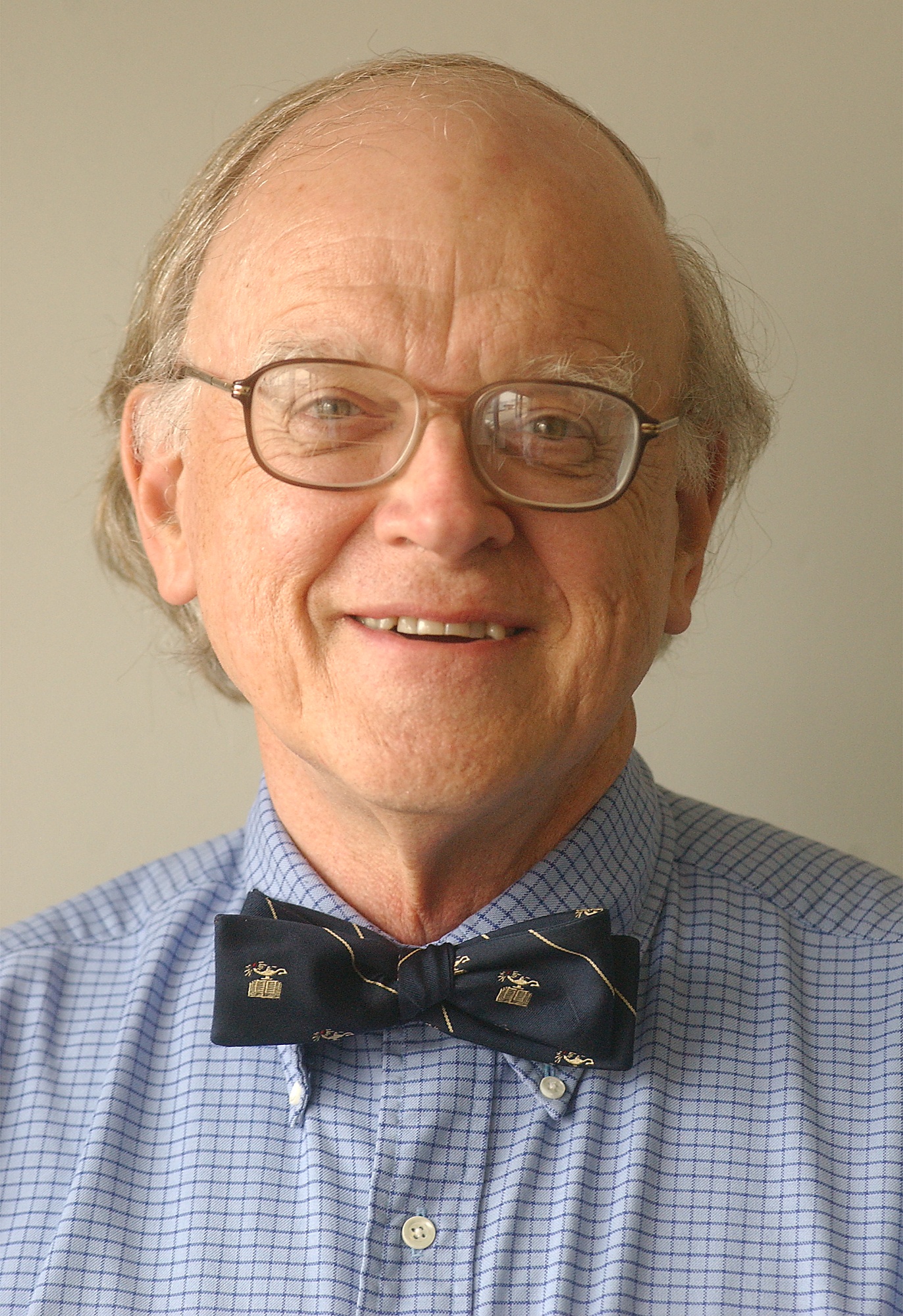
 Dr. Clif Cleaveland
How do we choose a course of action in stressful circumstances? When can we trust our intuition? Is our judgment ever unbiased? When should we defer a decision to another person or to a group?
These and other issues are addressed by psychologist Daniel Kahneman in, “Thinking, Fast and Slow,” a vital and engaging book published earlier this year. The author is unusual among psychologists for his 2002 Nobel Prize in economics. The citation for the award credited him for “having integrated insights from psychological research into economic science, especially concerning human judgment and decision making under uncertainty.” Lessons from this text are applicable to all of our endeavors, including the conduct of our personal lives.
Kahneman organizes his book into short chapters and invites the reader to participate in a number of experiments along the way. The principle focus throughout is upon decision-making.
For purposes of clarity, Kaheman divides thinking into System 1, our fast track, and System 2, which is slower and more analytical. The two systems do not act independently but vary in their contribution to problem solving.
System 1 can be compared to personal radar, always scanning our environment for dangers. If we are driving and a box falls from a truck in front of us, System 1 immediately analyzes the situation and directs our evasive actions. These actions arise from patterns established in our mind by earlier experiences. A professional driver will have an edge in speed of response and variety of action.