
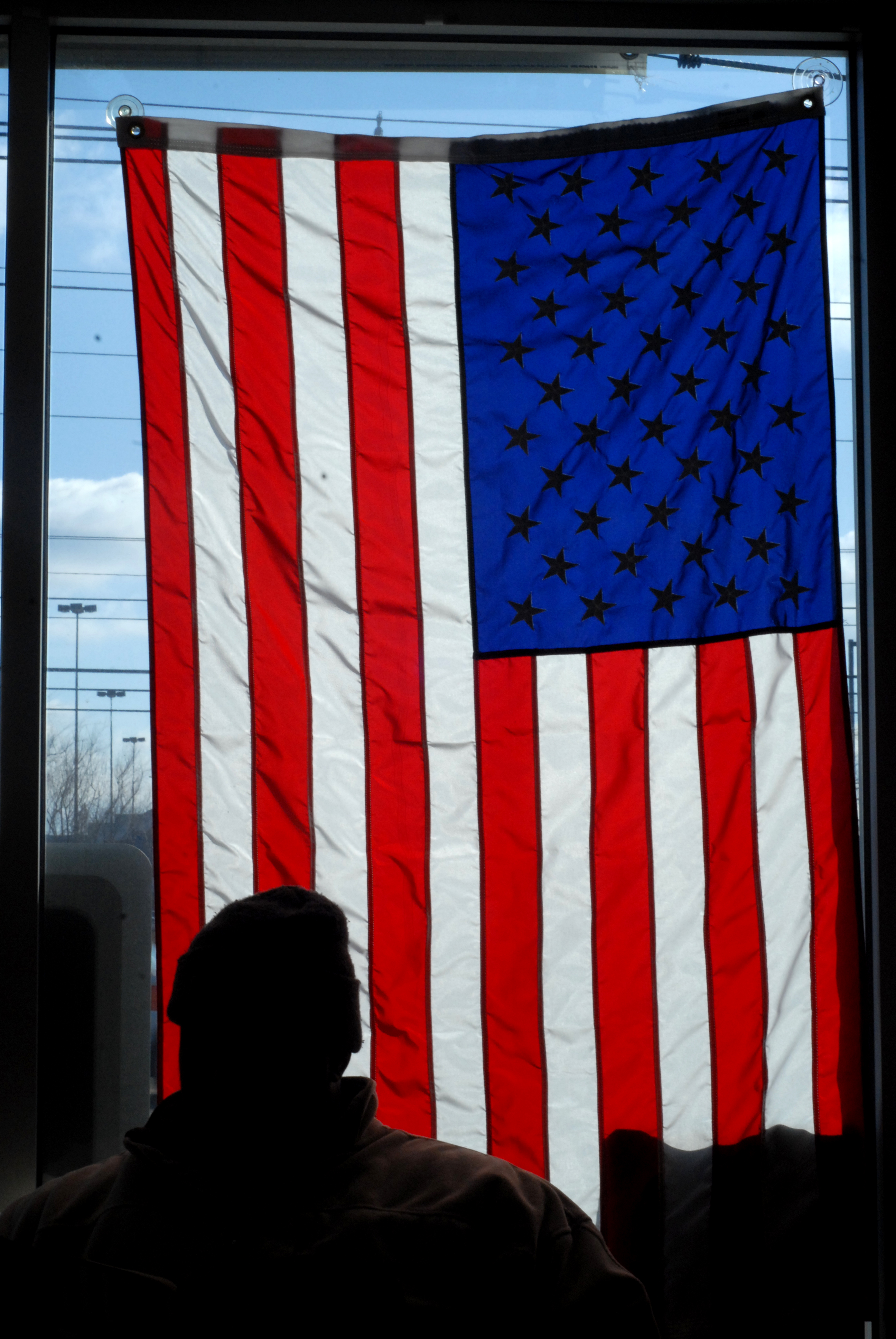
 Staff file photo by Allison Kwesell
As holidays ago, Flag Day – June 14 – has a recognizable name but has enjoyed a limited following. That attitude has been changing, particularly over the last decade.
The growing interest in the holiday and the flag it celebrates can be tied directly to the horrible events of Sept. 11, 2001 and the weeks that followed. A battered flag that survived that terrible day and then flew over the rubble of Ground Zero in New York City inspired flag raisings in the wake of disaster or tragedy elsewhere. That sentiment is still growing.
In the aftermath of the deadly April 27 tornadoes here, tattered flags often appeared atop or amid the wreckage of a house or business within hours of the storm’s passage. The banner often was accompanied by a message attesting to the property owner’s resilience and determination to overcome disaster. Such increasingly common displays attest to Americans’ enduring attachment to their flag.
That public embrace continues to expand. More and more homes and businesses prominently display the flag. It has become a way for many Americans to publicly – and proudly – proclaim their allegiance to the United States and to the independent spirit, the personal liberty and shared responsibility it represents.
That’s not always the case. In many instances, the flag has become more prop than proud symbol. Some politicians and political movements employ it to promote an agenda that is more divisive than inclusive. They use the flag to imply that opposition to their point of view or philosophy is somehow un-American. That is misuse of the flag and of everything positive it has come to represent.