
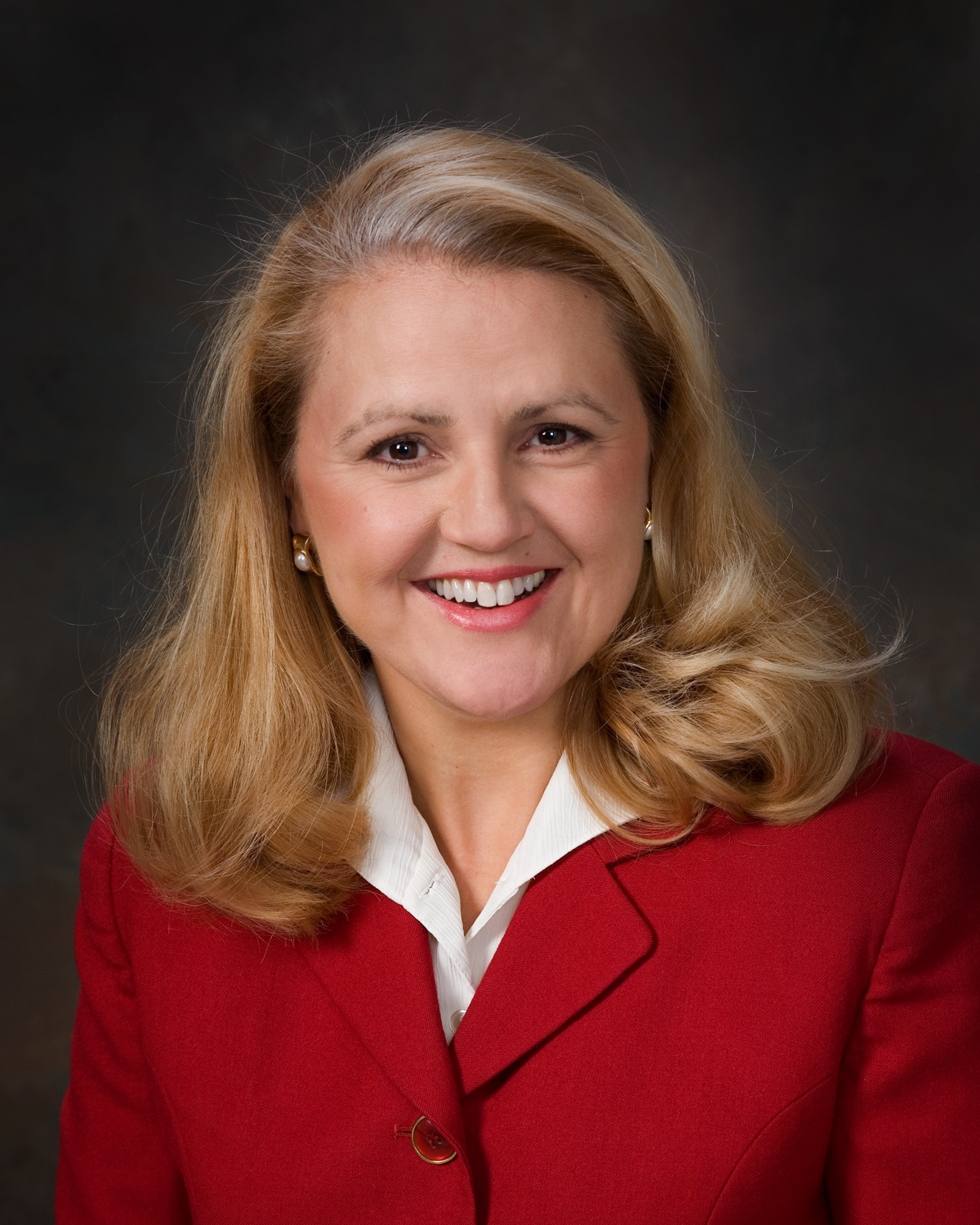
 Robin Smith, former Chairman of the Tennessee Republican Party and congressional candidate.
Issues that dominate headlines include the economy, unemployment, government spending, the deficit, the national debt, tax policy and tax code reform.
The good news is that Democrats, Republicans and independents seem to agree that the deficit and the debt have to be reduced. The process to get to that goal is where the disagreements lie.
A few points for clarity: The “deficit” is the sum of money the federal government spends during a single year that exceeds that year’s incoming revenue, our tax dollars. The “debt” is the cumulative sum spent over years; this debt does not include future obligations, like Social Security and Medicare payments that would have to be scored as “liabilities” in accounting.
As the nation focuses on reckless government spending, a key solution being heralded is for “the rich to pay more of their fair share” of taxes.
The current effort is to increase the top rate of taxes paid by those who make $250,000 or more on a yearly basis, which includes small businesses that file taxes as sole proprietorships.