

Neon yellow is red hot on the runway this season, which might rank Chattanooga among the hippest cities in the country. Not only will we see the trendy hue on the fashionable set, but also on our cars, our streets, our pets – even our gutters. Yes, it’s pollen season – and the look this year is head-to-toe yellow. Consistently ranking in the top five worst cities for allergies in the U.S., a mild, soggy winter might mean an earlier start to the sneezing warns Dr. Marc Cromie of the Chattanooga Allergy Clinic, one of the busiest offices in the Southeast.
“I had patients in late January coming in who are allergic to pollen having symptoms that they noticed were worse when they were outside,” he says. The rain knocks down pollen counts but encourages mold growth – another common trigger. Pollen usually peaks the first two weeks in April, but the lack of freezing temperatures this winter might make this month the worst.
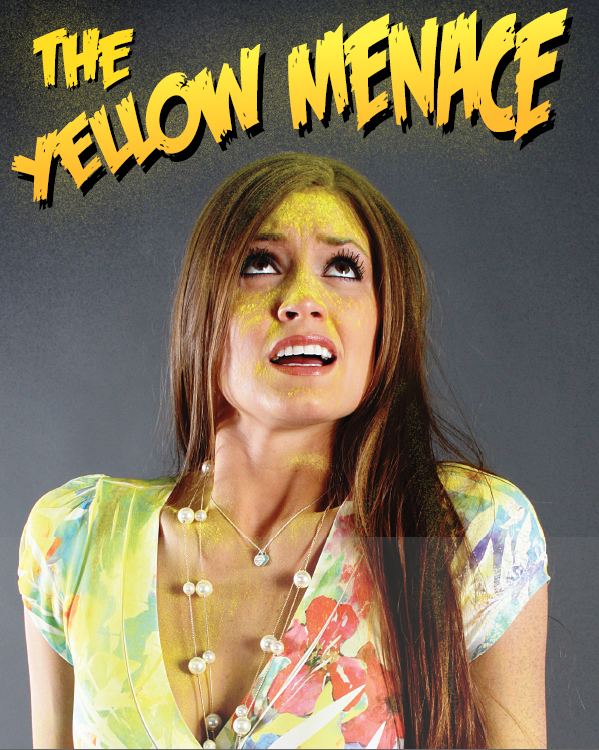
Many of the attributes that give the Scenic City its nickname – diverse tree species, mountain ranges, mild winters – are also culprits in our notoriously yellow springs. Ironically, the trademark yellow dusting is caused by pine trees, whose pollen is so large and heavy it rarely causes actual allergy problems. That notorious tickle in your nose is actually caused by what you don’t see coming from ash, birch, maple and sycamore trees, just to name a few. And Chattanooga’s bowl-like geography traps many allergens in the valley, which is certainly nothing to sneeze at.
Fortunately, there is hope on the cloudy, yellow horizon. Allergy shots have come a long way in recent years, providing stronger doses that allow patients to take them for about five years instead of indefinitely. And while the once-a-week protocol might seem time consuming, for many it’s the all-natural cure they’ve been longing for.
“All you’re doing is getting an injection of what you’re allergic to,” explains Cromie, whose office administers roughly 500 shots per day. “The goal is to get off medicine altogether – it’s more of a cure. Allergy shots essentially retrain the immune system.”