
When you’ve seen campgrounds with slogans like “Buy it where you burn it” encouraging you not to bring in your own firewood, you kind of felt like it was a scam to get you to patronize the camp store.
As it turns out, there’s science behind it – and bringing in your own logs or kindling to save a few bucks could put your favorite campsite at risk.
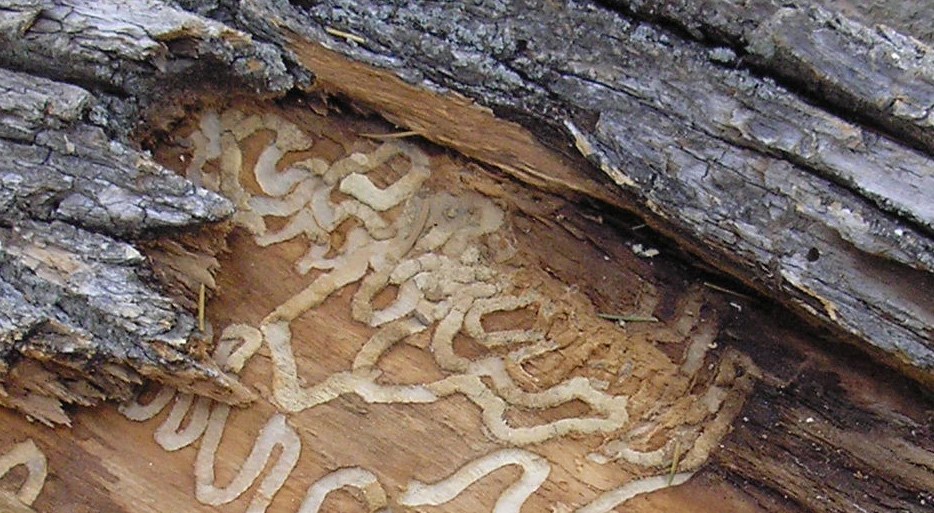
Invasive insects like emerald ash borers, gypsy moths and hemlock woolly adelgids can inadvertently be transported in the wood along with other pathogens like thousand cankers disease and sudden oak death syndrome. Scientists fear newly introduced species can wipe out swaths of a single species of trees or even take down an entire forest.
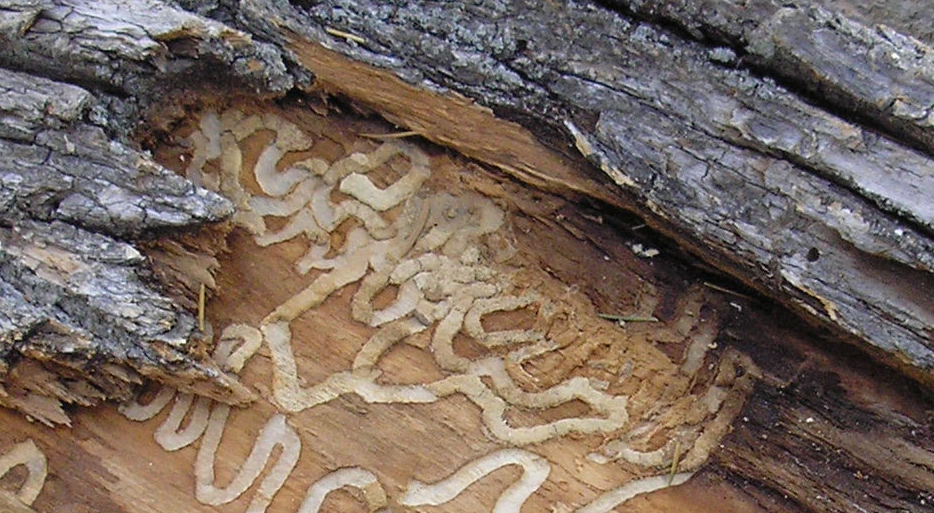 The trail of the emerald ash borer
“Our local ecology really has no mechanism to control those,” says Bob Lewis, silviculturist and forest fire fuel specialist with the Cherokee National Forest. “They can be very destructive to their host species.”
According to a National Firewood Task Force study in Michigan, 75 percent of new infestations of emerald ash borer were associated with campgrounds and 80 percent of other infestations were traced to firewood.
Several of the pathogens have already been spotted in East Tennessee and North Georgia and wood quarantine orders have already been issued around Knoxville.
In other areas, acquiring local firewood is only a suggestion. DontMoveFirewood.org suggests only moving firewood a few miles or at least being sure the wood originated in the county where you’re burning it.
That means a camper from Lookout Valley or Red Bank would be fine taking firewood to Harrison Bay, but even then Lewis says to play it safe by making sure all of the wood is burned to kill the insects. “At the very least make sure it’s all consumed in the fire,” he says. “That solves a lot of the issues.”
Lewis says most park stores and many nearby convenience stores stock firewood for campers and the few dollars the wood costs is simply not worth the risk starting an infestation.
Tips for flaming
¦ Use existing fire rings whenever possible.
¦ Keep the fire only as large as you need it.
¦ Allow wood to burn completely to ash.
¦ Douse with water, not dirt.
¦ Avoid building fire next to rocks or boulders because soot can remain on the rocks for years.
¦ Avoid sawing or breaking branches off standing or downed trees. Use dead and downed wood, which burns easily and is easy to collect.
¦ Use small pieces of wood – no larger than the diameter of an adult wrist – that can be broken with your hands.
¦ Gather wood over a wide area away from camp to avoid depleting the wood supply and to let nutrients return to the soil.
Source : Scouting.org