
Thursday, October 29, 2026Oct 29

This story is free to read.

General killed in Afghan attack was engineer

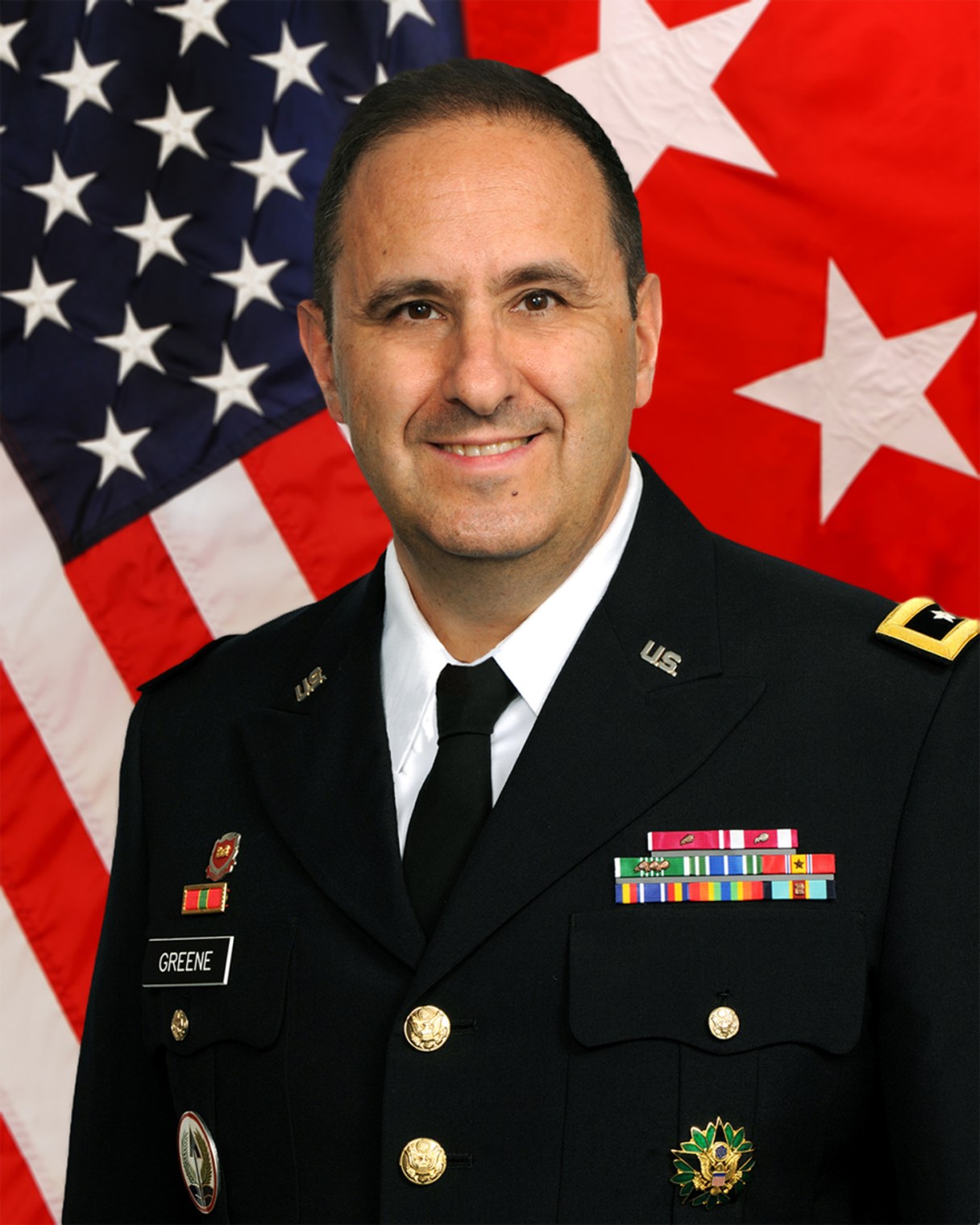
This image provided by the U.S. Army shows Maj. Gen. Harold J. Greene. A U.S. official has identified the senior officer killed in Afghanistan on Aug. 5, 2014, as Greene, the highest-ranking American officer killed in combat since 1970. Greene was the deputy commanding general, Combined Security Transition Command-Afghanistan. An engineer by training, Greene was involved in preparing Afghan forces for the time when U.S.-coalition troops leave at the end of this year. (AP Photo/U.S. Army)
This image provided by the U.S. Army shows Maj. Gen. Harold J. Greene. A U.S. official has identified the senior officer killed in Afghanistan on Aug. 5, 2014, as Greene, the highest-ranking American officer killed in combat since 1970. Greene was the deputy commanding general, Combined Security Transition Command-Afghanistan. An engineer by training, Greene was involved in preparing Afghan forces for the time when U.S.-coalition troops leave at the end of this year. (AP Photo/U.S. Army) This image provided by the U.S. Army shows Maj. Gen. Harold J. Greene. A U.S. official has identified the senior officer killed in Afghanistan on Aug. 5, 2014, as Greene, the highest-ranking American officer killed in combat since 1970. Greene was the deputy commanding general, Combined Security Transition Command-Afghanistan. An engineer by training, Greene was involved in preparing Afghan forces for the time when U.S.-coalition troops leave at the end of this year. (AP Photo/U.S. Army)

WASHINGTON (AP) – Harold J. Greene, the two-star Army general who on Tuesday became the highest-ranking U.S. military officer to be killed in either of America’s post-9/11 wars, was an engineer who rose through the ranks as an expert in developing and fielding the Army’s war materiel. He was on his first deployment to a war zone.

Greene was killed when a gunman believed to be an Afghan soldier opened fire at a military academy near Kabul. More than a dozen other coalition soldiers were wounded, including about eight Americans, according to early accounts of the attack. It was among the bloodiest insider attacks of the war in Afghanistan.

The Army’s top soldier, Gen. Ray Odierno, issued a statement Tuesday evening saying the Army’s thoughts and prayers were with Greene’s family as well as the families of those injured in the attack.

In a 34-year career that began at Fort Polk, La., Greene, a native of upstate New York, earned a reputation as an inspiring leader with a sense of humility. He had been in Afghanistan since January, serving as deputy commander of a support command called the Combined Security Transition Command, in Kabul.

At the time of the Sept. 11, 2001 terrorist attacks Greene was serving at Fort Leonard Wood, Missouri, and when the U.S. invaded Iraq in March 2003 he was a student at the Army War College in Carlisle, Pennsylvania, at the rank of lieutenant colonel.