
Wednesday, November 11, 2026Nov 11

Myanmar camp baby a brief chapter in painful story

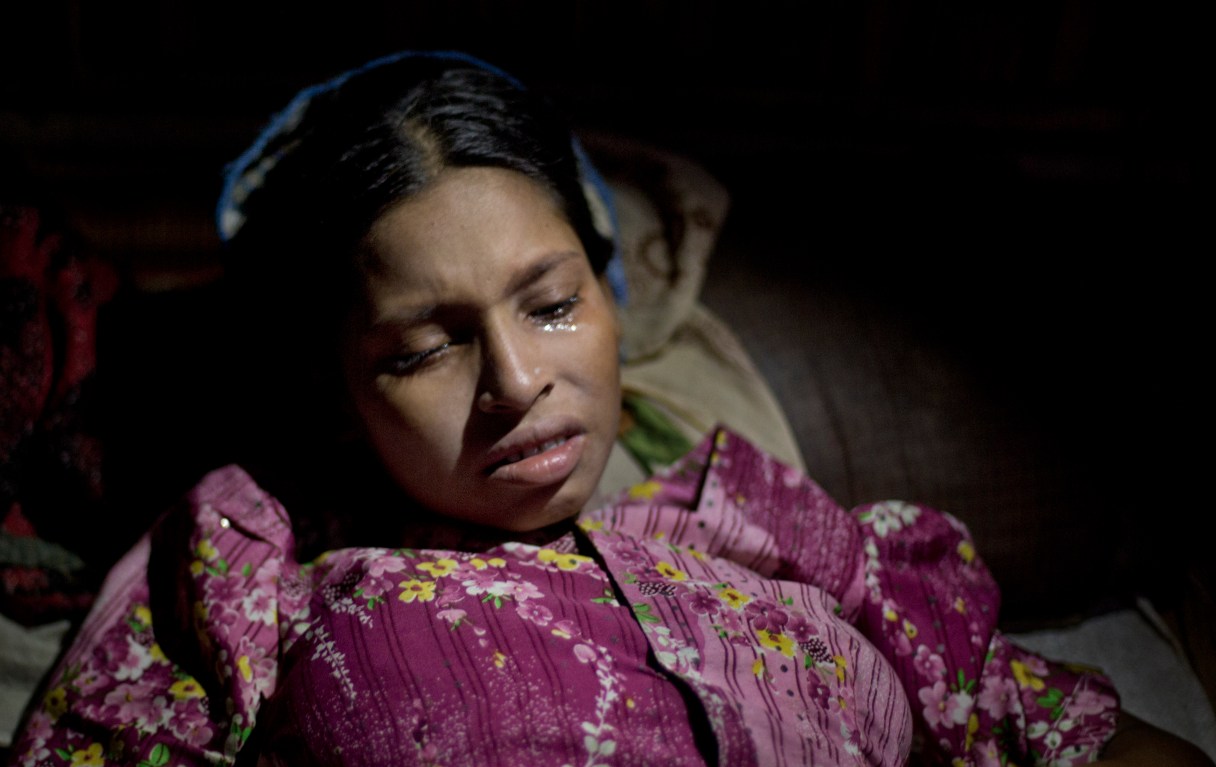
In this June 27, 2014 photo, tears roll down the face of Shamshu Nahad after she learned that her newly born daughter has died in Dar Paing, a camp for Rohingya Muslims in north of Sittwe, Rakhine state, Myanmar. Living under apartheid-like conditions, she and other residents have little or no access to life-saving medical care, food, clean water, or jobs. (AP Photo/Gemunu Amarasinghe)
In this June 27, 2014 photo, tears roll down the face of Shamshu Nahad after she learned that her newly born daughter has died in Dar Paing, a camp for Rohingya Muslims in north of Sittwe, Rakhine state, Myanmar. Living under apartheid-like conditions, she and other residents have little or no access to life-saving medical care, food, clean water, or jobs. (AP Photo/Gemunu Amarasinghe) In this June 27, 2014 photo, tears roll down the face of Shamshu Nahad after she learned that her newly born daughter has died in Dar Paing, a camp for Rohingya Muslims in north of Sittwe, Rakhine state, Myanmar. Living under apartheid-like conditions, she and other residents have little or no access to life-saving medical care, food, clean water, or jobs. (AP Photo/Gemunu Amarasinghe)

SITTWE, Myanmar (AP) – Hours after Shamshu Nahad gave birth to her second child, a beautiful baby girl, her husband was digging its grave.

The tiny corpse, wrapped in white cloth, was placed on a straw mat and lowered into the moist earth, neighbors and relatives bowing their heads as they quietly recited Muslim prayers.

Like the child’s life, the ceremony was brief, over in a matter of minutes.

For tens of thousands of Rohingya Muslims trapped in displacement camps in western Myanmar, it is a scene that is becoming all too familiar.

The predominantly Buddhist nation of 60 million has been gripped by religious violence since it started moving from military rule to democracy three years ago, leaving up to 280 people dead and sending another 140,000 fleeing their homes. Most of the victims have been Rohingya, who are denied citizenship by national law and are looked upon by much of the population with disdain.