
It was just a pedicure. But it could’ve killed Kim Ealy.
“Whoever thought you could potentially lose your life having a pedicure?” asks Ealy, 44, a Chattanooga woman who contracted methicillin-resistant Staphylococcus aureus (MRSA) from contaminated equipment used during the procedure. “The nail tech cut me and used an implement that had not been sterilized.”
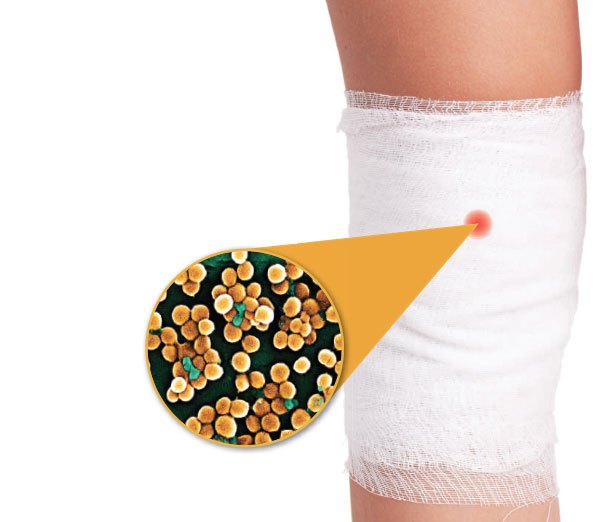
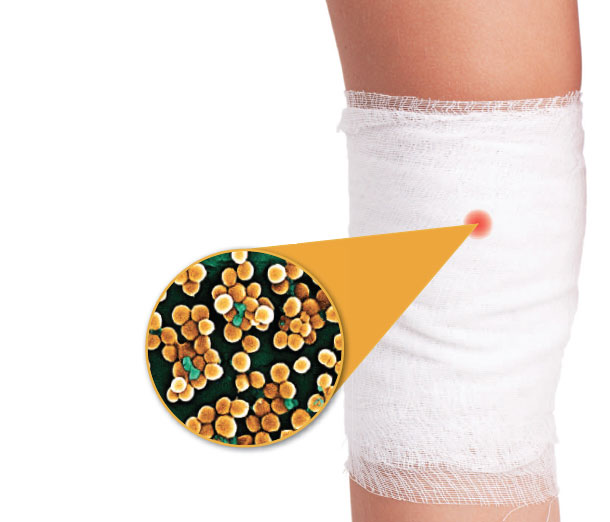
MRSA is a bacteria that is resistant to many antibiotics, according to the Centers for Disease Control and Prevention. Out in the real world, most MRSA involves skin infections, but in medical facilities – where MRSA is often contracted – it can cause life-threatening bloodstream infections, pneumonia and surgical site infections.
MRSA signs and symptomsMost staph skin infections, including MRSA, appear as a bump or infected area on the skin that may be:* Red* Swollen* Painful* Warm to the touch* Full of pus or other drainage* Accompanied by a feverSource: Centers for Disease Control and Prevention
The issue is that MRSA, which first began showing up in the early 1960s, is resistant to the antibiotics normally used to treat staph infections – the penicillins (which includes methicillin) and the cephalosporins.