
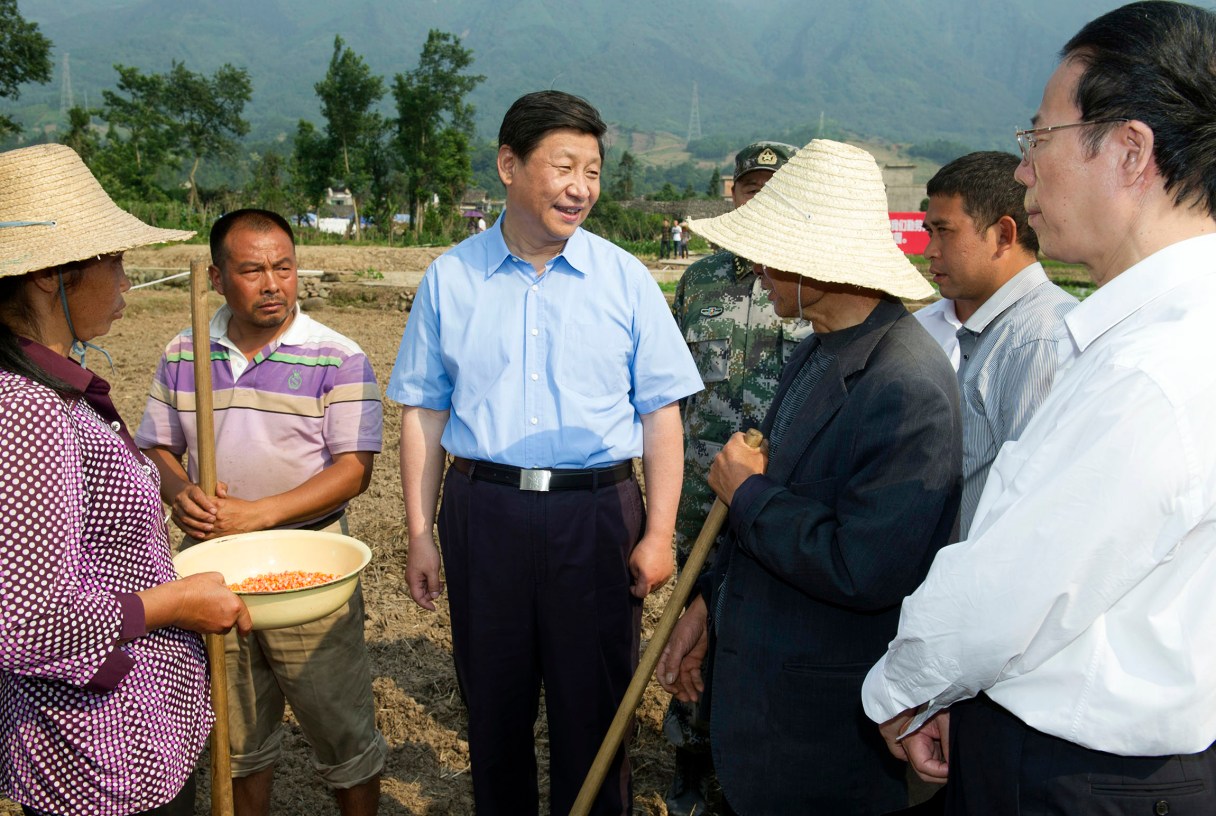
BEIJING (AP) – As he hosts President Barack Obama and other world leaders, China’s President Xi Jinping appears firmly in charge of a vast but stable communist state boasting the world’s second-largest economy. Look closer, though, and things aren’t so tidy: Growth is slowing, ethnic and political unrest persist – including an unprecedented protest movement in Hong Kong. And relations with China’s neighbors are dogged by conflicts over territory and history.
– HOW WELL HAS XI CONSOLIDATED HIS POWER?
Two years after taking charge of the ruling Communist Party, Xi is considered the most commanding Chinese leader since Deng Xiaoping at the height of his powers in the 1980s.
Unlike his predecessor Hu Jintao, Xi has taken firm control of the military and has wielded his authority over the vast bureaucracy with an anti-corruption campaign that already has netted a retired top general and a former member of the party’s all-powerful Politburo Standing Committee. Xi also has set up a commission to oversee the various state security bodies, with him at its head.
Political dissent has been muzzled and relatively robust job creation and low inflation are keeping discontent in check for now. That’s allowed him to push his notion of a “Chinese Dream” that envisions development and prosperity without democracy or Western-style freedoms.