
Wednesday, November 11, 2026Nov 11

NK expert says US must apologize to free detainees

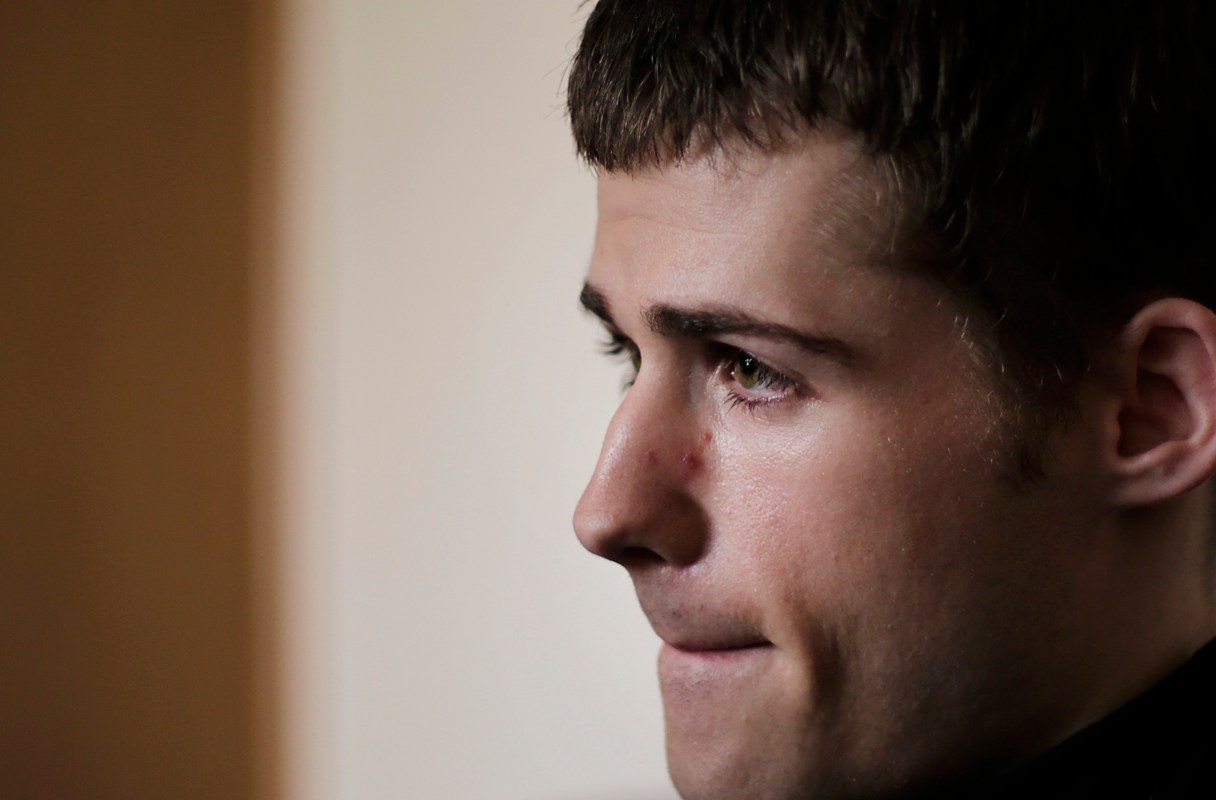
FILE - In this Sept. 1, 2014 file photo, Matthew Miller, an American detained in North Korea, serving a six-year sentence, speaks to The Associated Press in Pyongyang, North Korea. Why did North Korea free Jeffrey Fowle, and only him, when two other Americans, Miller and Kenneth Bae, remain in prison there? Probably because Pyongyang considered him the most minor of the three offenders, and may believe that releasing him could improve abysmal U.S. relations and even temper growing international criticism of its human-rights record. (AP Photo/Wong Maye-E, File)
FILE - In this Sept. 1, 2014 file photo, Matthew Miller, an American detained in North Korea, serving a six-year sentence, speaks to The Associated Press in Pyongyang, North Korea. Why did North Korea free Jeffrey Fowle, and only him, when two other Americans, Miller and Kenneth Bae, remain in prison there? Probably because Pyongyang considered him the most minor of the three offenders, and may believe that releasing him could improve abysmal U.S. relations and even temper growing international criticism of its human-rights record. (AP Photo/Wong Maye-E, File) FILE - In this Sept. 1, 2014 file photo, Matthew Miller, an American detained in North Korea, serving a six-year sentence, speaks to The Associated Press in Pyongyang, North Korea. Why did North Korea free Jeffrey Fowle, and only him, when two other Americans, Miller and Kenneth Bae, remain in prison there? Probably because Pyongyang considered him the most minor of the three offenders, and may believe that releasing him could improve abysmal U.S. relations and even temper growing international criticism of its human-rights record. (AP Photo/Wong Maye-E, File)

PYONGYANG, North Korea (AP) – After an American was released from North Korean custody, the attention has now focused on two other U.S. citizens still in its jails, and at least one North Korean legal expert has some unusual advice to offer: let Washington formally apologize to Pyongyang, and the country’s leader will consider pardoning them.

The suggestion on Thursday by Sok Chol Won, a professor of international law, offers a look at North Korean thinking – academics, government officials and ordinary people alike. While the idea of an apology may appear ludicrous to outsiders in democracies, autocratic North Korea assumes that a government is responsible for its citizens’ actions.

“In order to return the prisoners to their country, the United States must make an official apology and request their release,” said Sok, who teaches at Pyongyang’s Academy of Social Sciences, in comments to The Associated Press.

There are other examples of North Korea expecting foreign governments to control their society. Earlier this year, it threatened retaliation if Washington didn’t ban an upcoming Hollywood movie featuring Seth Rogen that portrays Kim Jong Un as the villain. It also regularly insists that Seoul keep its media from reporting negatively about the North Korean leadership and block activists from floating anti-North Korea propaganda in balloons across the border.

North Korea closely regulates its academics, media and intellectuals, so Sok’s comments can also be seen as a reflection of how the leadership wants to resolve the cases of Matthew Miller, who is serving a six-year jail term on charges of espionage, and Kenneth Bae, a Korean-American missionary who was sentenced to 15 years in jail for alleged anti-government activities.